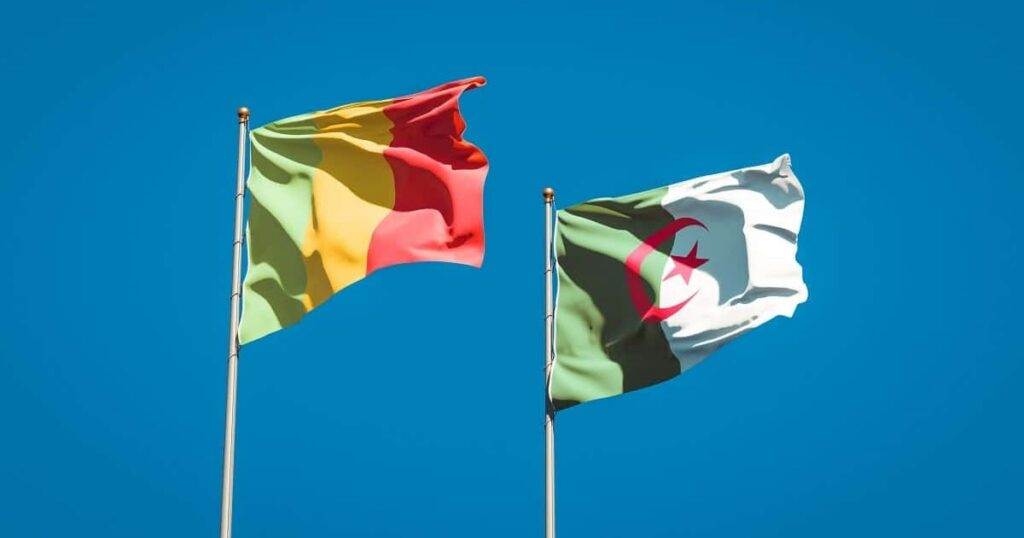
Relations between Algeria and Mali have seen a significant thaw following years of strained interactions, particularly after Bamako’s current administration took office and accused Algiers of overstepping its boundaries in Mali’s internal affairs.
The Malian government confirmed the reopening of its national airspace to all civilian and military aircraft operating flights to and from Algeria. This decision was outlined in an official statement, which also announced the imminent return of Mali’s ambassador to Algeria—a diplomat recalled earlier in April 2025, though no specific date was provided.
Algeria mirrored Bamako’s move hours later, declaring the restoration of airspace access for Malian flights. The Algerian Defense Ministry clarified that the decision, effective immediately, would apply to all international routes connecting the two nations.
Ambassadors set to return
Just as Mali will welcome back its envoy, Algeria confirmed the return of its ambassador to Bamako. The diplomat, Kamel Retieb—previously recalled after a dispute over the downing of a Malian drone by Algerian forces in April 2025—will resume his duties in Mali, as stated by the Algerian Ministry of Foreign Affairs.
Root causes of the dispute
Tensions escalated sharply in early 2025 after Algeria intercepted and destroyed a Malian military drone near their shared border. While Algiers claimed the aircraft violated its airspace, Bamako argued the drone was operating within its own territory. The confrontation triggered a diplomatic crisis, leading to the mutual recall of ambassadors and the suspension of air travel between the two countries.
Additional strain arose when Mali publicly endorsed Morocco’s autonomy plan for Western Sahara—a move that directly conflicted with Algeria’s long-standing position on the issue. The dispute also unfolded amid rising security challenges, including the persistent threat posed by jihadist groups active across the Sahel.
Despite these challenges, both nations share critical interests, including regional stability and counterterrorism efforts. Their lengthy border and overlapping security concerns have kept dialogue alive even amid diplomatic friction.