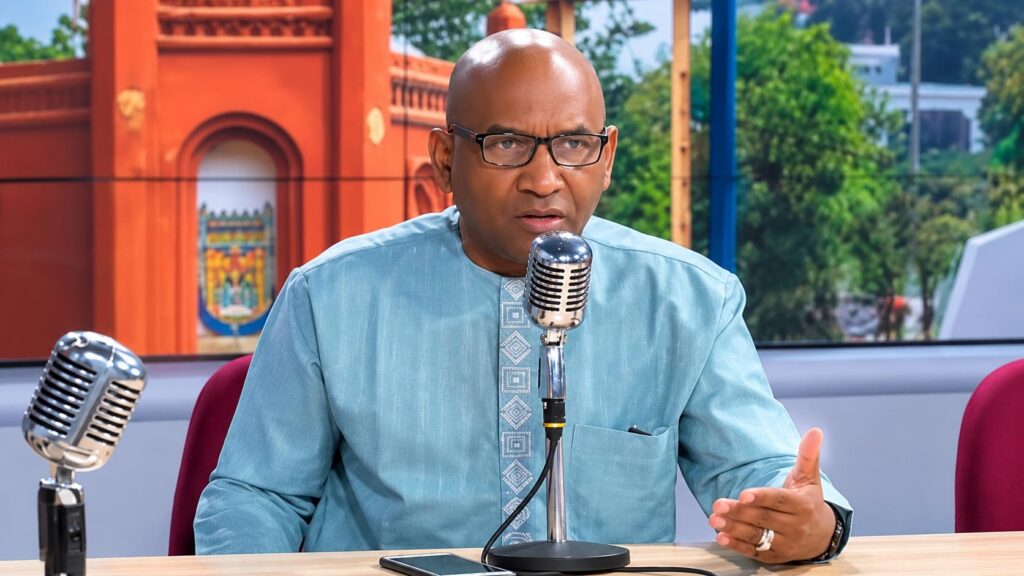
In the latest developments concerning Mali security news, military authorities in Bamako have dragged journalist Abdrahamane Keïta before the specialized cybercrime court, escalating their campaign against independent voices. The reporter’s sole offense was offering an honest assessment of the deteriorating security situation in Kidal and pointing out the setbacks encountered by the armed forces.
Instead of addressing public concerns regarding the growing instability in northern Mali, the ruling authorities have weaponized the legal system against independent observers. By using cybercrime laws as a political tool, the regime seeks to enforce absolute silence and eliminate any open discussion about its security strategy.
A systematic campaign of silence through arrests and forced conscriptions
- In Mali, the prominent commentator Mohamed Youssouf Bathily, widely known as Ras Bath, remains behind bars for expressing his views. Similarly, academic Étienne Fakaba Sissoko is serving a prison sentence following the publication of a book exposing state propaganda. Activist Rokia Doumbia was also jailed after criticizing high inflation and crisis management, while other figures like Clément Dembélé have faced arbitrary arrests and temporary disappearances.
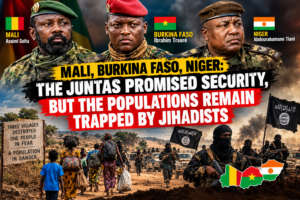
- This repressive pattern extends across the Sahel. In Burkina Faso, journalists and commentators including Serge Oulon, Alain Traoré, and Kalifara Séré have been abducted or forcibly conscripted to the frontlines after questioning military strategies. Meanwhile, in Niger, seasoned media figures like Moussa Kaka face ongoing harassment and detention.
Truth treated as a threat to state authority
The relentless pressure on the press reveals a clear strategy: any narrative deviating from the official line is labeled an attempt to demoralize troops or undermine national security. As actual security conditions worsen, the transitional government has grown increasingly hostile to critique, effectively banning independent investigative journalism.
A media landscape under siege
This latest legal battle contributes to an atmosphere of fear designed to clear the public sphere of dissenting views. Repeated summons, targeted detentions, and media suspensions are now routine for those refusing to serve as mere mouthpieces for the state. By targeting a reporter for documenting the ground reality in Kidal, the administration exposes its own vulnerability and its desire to isolate the nation behind a wall of censorship.