2PFJ calls for broad political dialogue to strengthen Côte d’Ivoire’s electoral system
In a bold call for national cohesion, the Pan-African Platform for Women and Youth for Peace, Democracy and Governance (2PFJ) has urged Côte d’Ivoire’s leadership to initiate a transparent, inclusive and constructive political dialogue aimed at reforming the country’s electoral governance. The appeal comes as part of a formal statement submitted to local media on 21 July 2026.
The organisation stresses that any meaningful reform of Côte d’Ivoire’s electoral framework must begin with a clear-eyed assessment of the nation’s socio-political landscape—a landscape still scarred by past conflicts. Such reforms, they argue, cannot be achieved through superficial information sessions or one-sided consultations. Instead, the 2PFJ insists that the process must evolve into a full-fledged republican negotiation, drawing in all vital sectors of Ivorian society.
Central to the 2PFJ’s vision is the creation of a future electoral management body rooted in national consensus. To achieve this, the platform recommends the establishment of joint technical commissions, uniting government officials, opposition representatives and civil society actors. These commissions would be tasked with defining the mandates, financial autonomy and operational independence of the three proposed electoral bodies—or any alternative institutional structure that may emerge from the discussions.
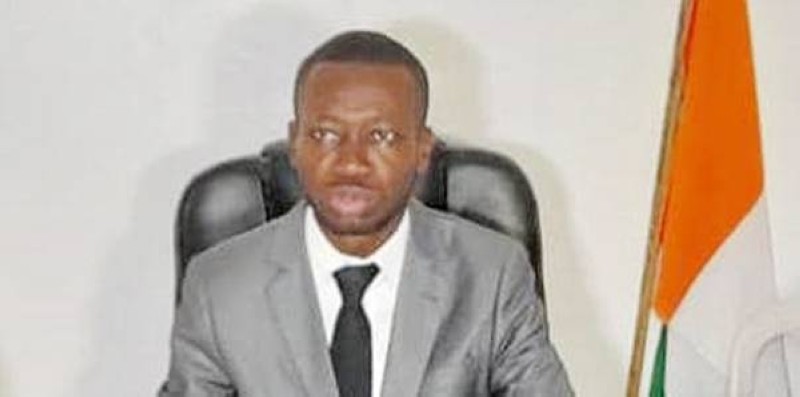
Signed by Jean-Martial N’Guessan, chair of the 2PFJ board, the statement also underscores the urgent need for a climate of mutual trust. In this regard, the platform calls for the immediate release of all individuals detained on politically motivated charges and the safe return of exiles to facilitate open and productive dialogue.
The 2PFJ further advocates for the meaningful inclusion of women’s and youth organisations within the future electoral governance framework. Such representation, they argue, would enhance citizen oversight, ensuring that the electoral process remains both inclusive and peaceful.
From crisis to opportunity: building a united front
While acknowledging the deep divisions sown by past electoral crises, the 2PFJ points to Côte d’Ivoire’s history of resilience and unity in the face of national challenges. The current electoral reform process, they believe, presents a historic chance to rally citizens around a shared vision: a Côte d’Ivoire that is stable, peaceful and prosperous.
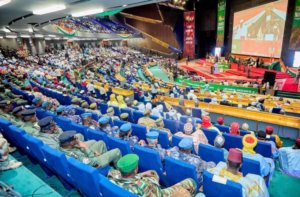
This call to action follows a major government-led workshop convened on 22 June 2026 by Prime Minister Robert Beugré Mambé. Described as an expanded information session, the gathering brought together political parties, civil society groups and electoral stakeholders to explore pathways for sustainable electoral reform.