The widening gap between Burkina Faso’s university promises and student realities
Thousands of Burkinabè students are confronting a harsh reality as they return home to pursue higher education, only to find lecture halls overflowing and resources dangerously insufficient. The stark contrast between government assurances of modernized university facilities and the daily struggles faced by students is fueling frustration across the country’s educational sector.
While authorities highlight ambitious plans to transform Burkina Faso’s universities, the growing disparity between policy declarations and on-the-ground conditions is becoming impossible to ignore. For many young Burkinabè, the dream of affordable, quality higher education in their homeland is increasingly colliding with the harsh truth of overcrowded classrooms and underfunded institutions.
Why Burkina Faso’s university crisis is straining a generation’s future
The government’s vision of a revitalized higher education system rests on attracting students back to Burkinabè institutions rather than pursuing studies abroad. Yet the influx of returning students is placing unprecedented pressure on an already struggling system. Many arrive with high expectations, believing official statements about improved infrastructure and expanded capacities. What they encounter instead are facilities at or beyond their limits, with insufficient seating, outdated equipment, and stretched teaching staff.
The psychological and academic toll is significant. Students report difficulties accessing core courses, crowded study spaces, and communication breakdowns due to limited administrative coordination. These obstacles not only hinder learning but also erode trust in public institutions at a time when national unity and self-reliance are central to the government’s narrative.
Rising student numbers, stagnant infrastructure
Public university enrollment in Burkina Faso has surged in recent years, driven by both population growth and government incentives. Yet the growth in student numbers has far outpaced the expansion of physical and human resources. Official figures from mid-2023 revealed a stark imbalance: over 190,000 students enrolled in public universities, but fewer than 90,000 formal seating places available nationwide. This leaves nearly 100,000 students without guaranteed access to classrooms, lecture halls, or study environments.
Compounding the issue is a teacher-to-student ratio of approximately 109 students per faculty member nearly four times the internationally recognized standard of 25 students per instructor. This imbalance contributes to weakened mentorship, reduced individual attention, and longer academic delays, as courses cannot be offered regularly or expanded efficiently.
Hidden costs of overcrowding: delays, dropout, and lost opportunity
Students affected by overcrowding face not just inconvenience, but real academic setbacks. Required courses may be offered only once a year, forcing students to repeat semesters or re-enroll. Some programs have seen graduation timelines extend from the standard three years to five or more. Others report being unable to secure places in oversubscribed majors like medicine, engineering, or business administration, pushing them toward private institutions that charge fees many families cannot afford.
The consequences ripple beyond the classroom. Families investing in their children’s education expect timely returns, including skilled graduates ready to contribute to national development. When universities fail to deliver, the cycle of delayed careers and unfulfilled potential deepens, undermining both individual ambition and national progress.
From communication to action: where are the concrete improvements?
The government has made repeated public commitments to modernize higher education, emphasizing new building projects, digital upgrades, and expanded course offerings. Yet specific, verifiable data on completed projects remains scarce. Students and parents alike report difficulty in identifying which institutions have actually benefited from recent investments, or how many additional seats have been created.
Without transparent reporting on infrastructure capacity, enrollment projections, and teacher recruitment, official announcements risk being perceived as political gestures rather than genuine reform. Promises of “modern universities” must be matched by measurable improvements: auditable increases in classroom space, confirmed teacher hires, functional internet access, and published success rates in academic programs.
Who bears the blame? Accountability in the university funding chain
While public funds support university operations, responsibility for effective use rests with administrators, ministry officials, and policymakers. Critics argue that funding allocations are often mismanaged or delayed, leading to stalled construction projects, underutilized equipment, and unfilled teaching positions. In some cases, newly built facilities remain unused due to bureaucratic bottlenecks or lack of complementary staffing and resources.
Civil society and student leaders are calling for regular, independent audits of university budgets and spending. They insist that transparency not rhetoric must guide decision-making, especially when public funds are involved and young lives are at stake.
Can Burkina Faso’s universities ever deliver on their promises?
The path forward requires more than new buildings or flashy announcements. It demands a shift from aspirational language to operational accountability. Concrete steps include:
Immediate expansion of classroom capacity: implementing double-shift systems, building modular facilities, and accelerating the completion of long-delayed construction projects.
Investing in faculty and staff: recruiting qualified instructors, reducing student-to-teacher ratios, and providing professional development to improve teaching quality.
Enhancing governance and transparency: publishing up-to-date enrollment figures, capacity reports, and investment timelines to restore public confidence.
Ensuring equitable access: prioritizing students in overrepresented programs and introducing clear, need-based admission policies to prevent further congestion.
The credibility of Burkina Faso’s education system and its government will ultimately be judged not by the volume of promises made, but by the availability of seats, the quality of instruction, and the success of its graduates. For a nation banking on youth empowerment as a cornerstone of its future, the stakes could not be higher.
A generation caught between hope and hardship
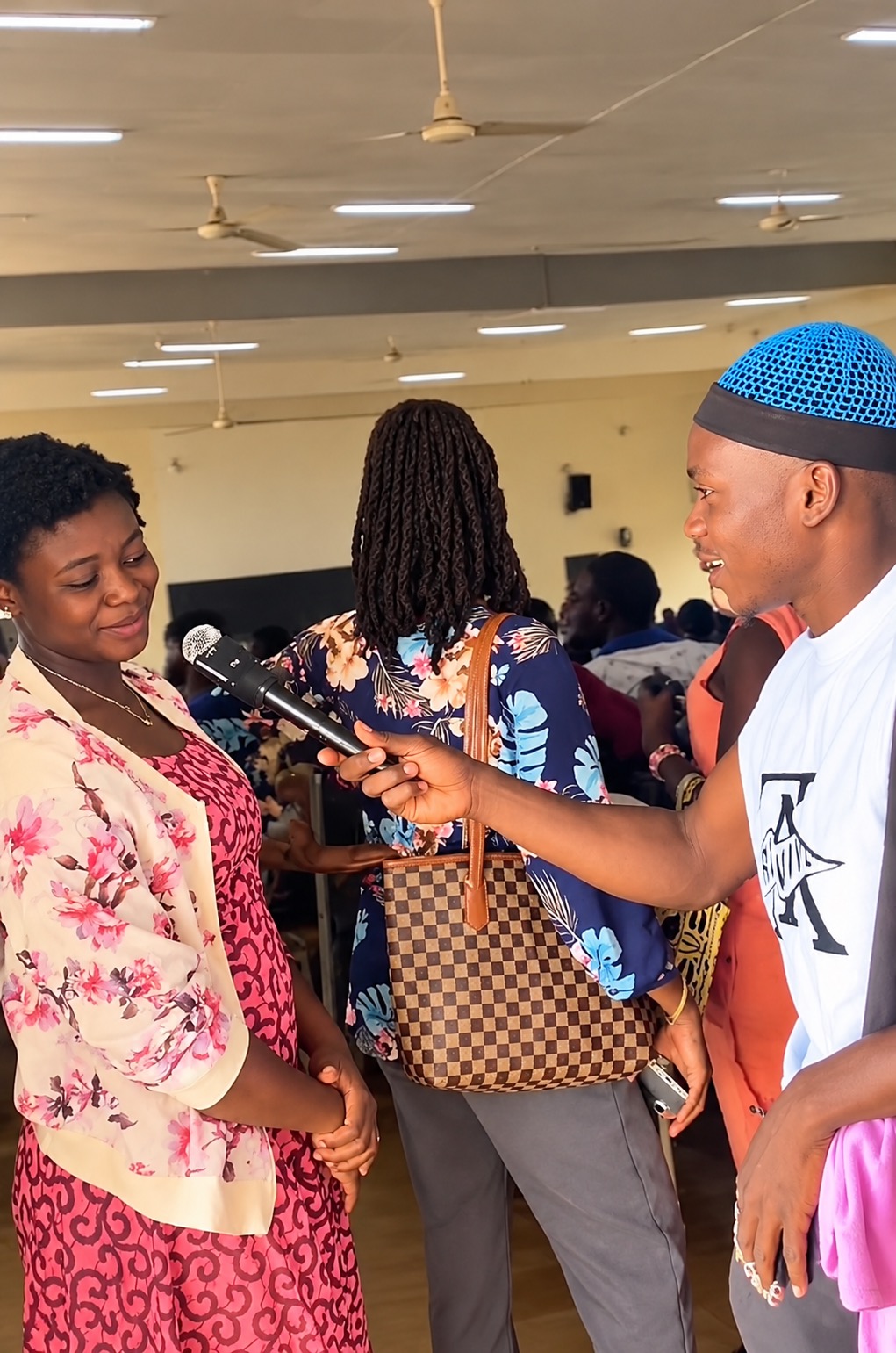
For students like Amina, a second-year biology major at the University of Ouagadougou, the daily reality is a daily struggle. “We sit on the floor in some lectures because there aren’t enough chairs,” she shared. “We wait months to retake failed exams. Our professors are overwhelmed. We are told the university is changing, but nothing changes here.”
Her story reflects thousands of others: young people who chose to believe in their country’s potential, only to confront a system unable or unwilling to meet their basic academic needs. Until Burkina Faso translates its university promises into tangible improvements, the gap between ambition and reality will continue to widen, leaving a generation in limbo.
By Rose Njoya — Journalist





