Why a $17.6 million Congo fund transfer is sparking alarms in Washington and Kinshasa
When a Congolese government account wired $17.6 million to a Texas defense contractor in May 2025, the transaction looked routine—until U.S. investigators noticed where part of the money was supposed to go. While the Democratic Republic of Congo (DRC) sent funds to Texas Armament & Technology (TX-AT), a company tied to defense and aerospace, American officials began probing whether $5.6 million of that total was ever destined for the Kennedy Center, a Washington cultural institution then led by Richard Grenell, a former U.S. ambassador and close Trump ally. Months later, the transaction remains under scrutiny in both capitals, raising urgent questions about transparency in public spending and the influence of political connections on defense-related transfers.
From Congo’s public purse to a Texas defense firm: what do the documents show?
The May 29, 2025 transfer from the DRC Ministry of Finance to TX-AT has become a flashpoint in Washington because the original payment rationale has failed to hold up under review. Reports indicate that while the full $17.6 million was deposited into a U.S. defense contractor’s account, a portion—allegedly $5.6 million—was earmarked for the Kennedy Center, a high-profile arts institution in the nation’s capital. Yet, auditors and congressional staffers say no trace of that donation has been found in the center’s public financial filings or internal records. The absence of confirmation has given rise to concerns that public funds may have been redirected through a circuitous financial route, potentially benefiting private interests without a clear public benefit.
Who is Richard Grenell and why does his name keep coming up?
Richard Grenell, a former U.S. Ambassador to Germany and vocal supporter of Donald Trump during his presidency, served as Acting Director of the Kennedy Center from late 2024 through mid-2025. His dual role—as a cultural leader in Washington and a political ally of the former president—has drawn scrutiny. Some accounts suggest that Grenell, or individuals in his network, may have implied that substantial donations to the Kennedy Center could facilitate access to high-level political events or influence within the Trump orbit. Grenell has vehemently denied any wrongdoing and stated that he never authorized or received diverted funds for the institution.
Turkish businessman’s RDC ties add another layer of complexity
The transaction takes on added significance due to the involvement of Turhan Mildon, a Turkish businessman and co-founder of Milvest Group, which has extensive investments in DRC infrastructure projects. While Mildon has no direct role in the defense sector, his business presence in Kinshasa—and alleged financial ties to the payment—have intensified questions about whether public funds were used to secure private commercial advantages abroad. The lack of clear documentation linking the DRC Ministry of Finance payment to a valid contract with TX-AT or a cultural grant has only deepened skepticism among policymakers and watchdog groups.
Kinshasa’s credibility at stake: what Congolese authorities must do now
For the Democratic Republic of Congo, where public financial management has long been criticized for opacity and weak oversight, this transfer exposes systemic vulnerabilities. The DRC government has not publicly explained the contractual basis for the $17.6 million payment, nor provided documentation outlining the goods or services exchanged. Without verifiable records—such as signed contracts, approved vouchers, or audited expenditure reports—it is impossible to assess whether the transaction complied with national or international standards. This absence fuels speculation of misallocation, kickbacks, or even embezzlement, threatening investor confidence and development funding.
What the law says and what’s missing in this case
Under DRC law, any international transfer exceeding $1 million must be authorized by the Ministry of Finance, validated by the Central Bank, and accompanied by a detailed justification. Yet, in this case, no public record has been provided confirming the contract, the recipient’s eligibility, or the intended use of the funds. If the $5.6 million earmarked for the Kennedy Center never reached its destination, it raises the possibility that the entire transaction—initially presented as a legitimate payment—may have been exploited to channel public money into less transparent ends. Until DRC authorities release the full documentation, the transaction will continue to be viewed as suspicious, not just in Washington but in financial capitals worldwide.
Washington’s response: a nationwide legal review with global implications
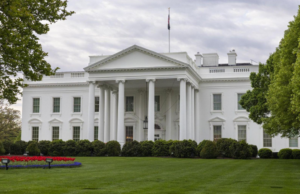
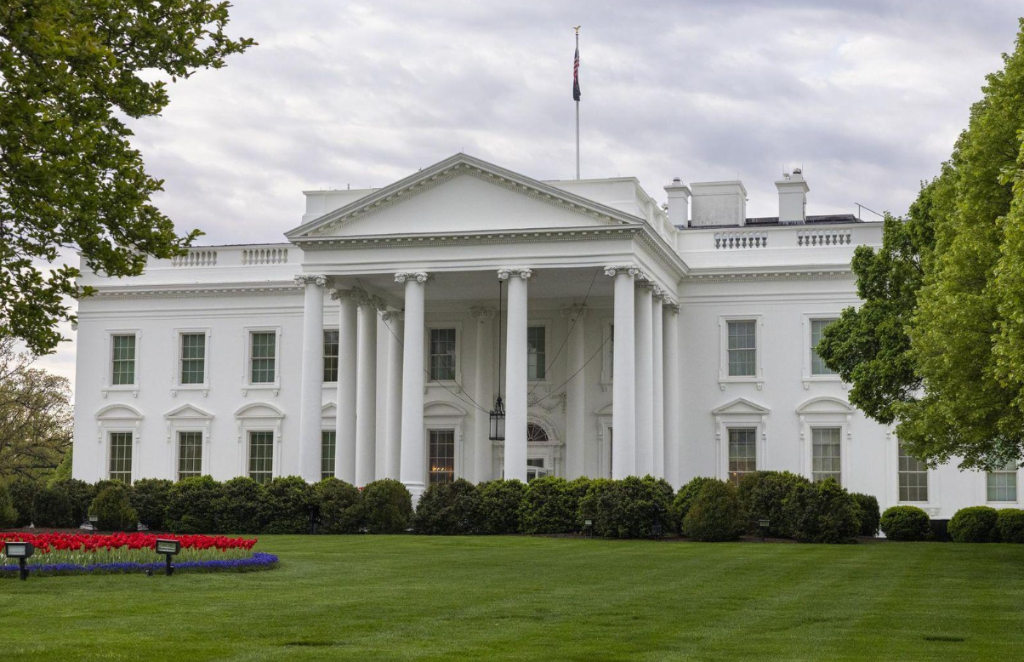
The White House has quietly initiated a legal review of the transfer, focusing on whether U.S. laws governing foreign payments, money laundering, or political influence were violated. While no charges have been filed, the review underscores the sensitivity of cross-border transactions involving government-linked entities, especially when defense contractors and cultural institutions intersect. The case also intersects with broader debates on transparency in U.S. foreign policy, particularly regarding the influence of private entities over public cultural institutions.
What happens next: documents, hearings, and accountability
As both U.S. and DRC officials face growing pressure to clarify the transaction, the next steps will likely include the release of audited financial statements, a congressional or parliamentary inquiry, and possibly disciplinary action against officials involved in approving the transfer. Until then, the $17.6 million remains a symbol of unanswered questions: Where did the funds really go? Was the Kennedy Center donation ever intended? And most importantly, what safeguards can prevent similar transactions from being used to obscure the flow of public money?
The bottom line: a wake-up call for financial integrity in Congo and Washington
Whether this transfer ends up as a footnote in a political scandal or a catalyst for stronger financial governance depends on two things: the willingness of DRC authorities to release full documentation and the determination of U.S. regulators to hold all parties accountable. What is clear is that without transparency, public trust erodes—and with it, the credibility of institutions on both sides of the Atlantic.