Félix Tshisekedi has finally given the green light to an inclusive national dialogue in the Democratic Republic of Congo (DRC) after meeting with religious leaders in Kinshasa. The move comes after over a year of persistent calls for such a forum. Yet, the president’s decision remains largely symbolic until concrete steps are taken: issuing a decree, appointing facilitators, setting agendas, timelines, and the framework for discussions.
What prompted the Congolese leader’s sudden shift? The opposition coalition C64 had planned protests for July 22 but agreed to postpone them. However, they have set an August 15 deadline for the president to formally launch the dialogue. Is this ultimatum achievable?
From promises to action: what’s next?
The president’s announcement follows months of pressure from civil society, opposition groups, and international partners. The meeting with religious leaders may have been the final push, but translating words into action will require swift and transparent measures. The opposition’s decision to delay protests signals cautious optimism, but skepticism lingers.
Key questions remain: Who will facilitate the dialogue? What topics will be prioritized? Will the process address constitutional reforms and electoral concerns that have fueled tensions? The answers will determine whether this initiative can bridge deep political divides or fade into another unfulfilled promise.
Can the August 15 deadline be met?
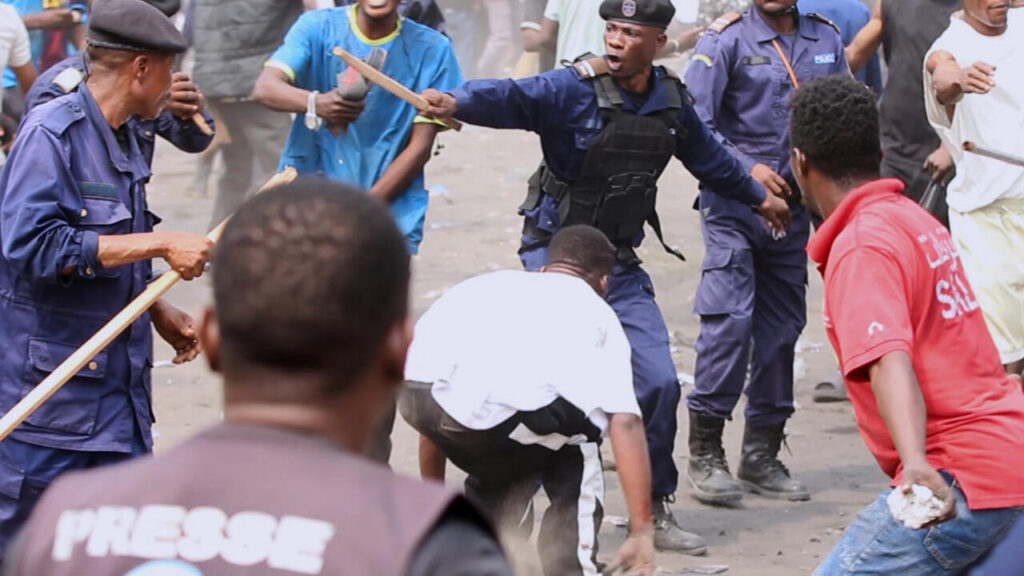
The opposition’s patience is wearing thin, and the C64 coalition has made its position clear: no further delays will be tolerated. For the president, this means acting decisively within the next three weeks. Failure to meet the deadline could reignite protests, escalate tensions, and further erode public trust in the government’s commitment to reform.
As the DRC navigates this critical moment, the world watches to see if Félix Tshisekedi’s latest move will lead to meaningful change—or remain another chapter in the country’s long struggle for stability and inclusive governance.