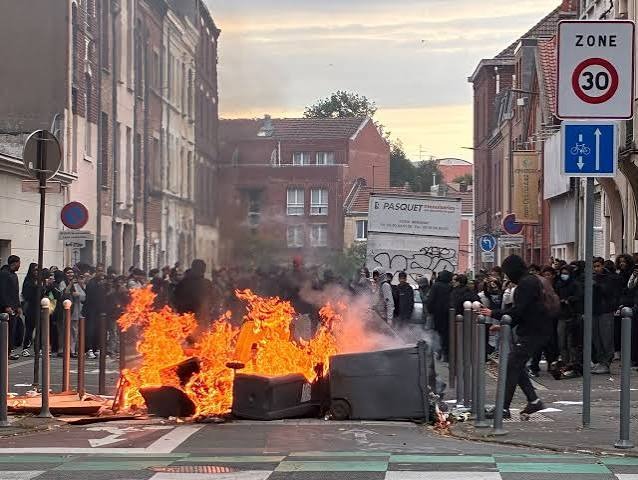
The streets of France are burning tonight—not just with anger, but with real consequences for students, families, and businesses nationwide. What began as a peaceful high school demonstration against education reforms has spiraled into a full-blown urban emergency, forcing the government to scramble for control.
How protest turned to destruction in a matter of hours
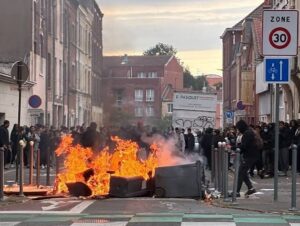
Thursday began like any other—but by noon, the situation had spiraled beyond recognition. In Paris, Lyon, Marseille, and other major cities, student-led protests evolved into coordinated attacks on public infrastructure, with public transit grinding to a halt and schools becoming battlegrounds. Peaceful sit-ins transformed into nightmarish scenes of arson, barricades, and violent clashes with police.
Doors of educational institutions were smashed open, classrooms trashed, and administrative buildings set ablaze. At a prominent lycée in Lyon’s 7th arrondissement, firefighters were called to extinguish flames ignited by fireworks, battling the inferno while riot shields held back mobs. Over 50 schools across the country now bear the scars of the day: shattered windows, graffitied walls, and shattered morale.
Transportation paralysis, emergency lockdowns, and broken daily routines
For hundreds of thousands of commuters, the nightmare didn’t end with the school bell. Public transit systems collapsed under the pressure. Buses and trams in Marseille, Nantes, and Bordeaux were suspended. Metro operators described “unprecedented” security alerts as automated trains bypassed downtown stations. Suburban families, already facing rising costs, now find themselves stranded without reliable transport to work or pick up their children.
Emergency services reported over 160 arrests, dozens of injuries, and multiple public disturbances that required reinforcements from elite riot units. Water cannons and tear gas filled the air in city centers, while parents and shopkeepers huddled behind shutters, worried not just for safety, but for the health of their businesses.
Lecornu’s crisis cell: a last-ditch effort to regain control
With the fabric of public order tearing, Prime Minister Sébastien Lecornu convened an emergency interministerial crisis cell at the Ministry of the Interior in Paris. The meeting brought together education, transport, and security officials under one roof, signaling the gravity of the moment.
Speaking before heading into deliberations, Lecornu delivered a stern warning: “There is no justification for violence, especially not against our schools or our police. The right to protest is sacred—but so is the rule of law. We will respond with decisive force.”
The crisis cell is already drafting contingency measures for Friday, including mass redeployments of riot police and possible restrictions on gatherings near educational institutions.
Political fallout: left and right trade blame as public unease grows
The political earthquake has been felt across the spectrum. Right-wing leaders are calling for curfews and blanket bans on school protests, arguing the state has failed to protect institutions. Left-wing voices counter that the government’s inaction on youth unemployment and education inequality has fueled the fire. Meanwhile, moderate lawmakers warn that heavy-handed security measures could radicalize a generation already reeling from economic pressure.
Youth unions and parent associations, though still supportive of the movement’s original goals, have publicly condemned the destruction. “This is not our struggle,” said a spokesperson for a coalition of student unions. “We demand better education—not to turn our schools into war zones.”
What comes next: fear of a second day of chaos
As night falls over Paris, Marseille, and Lyon, tensions remain dangerously high. Stores board up windows, parents pull children from after-school programs, and local leaders brace for a repeat of Thursday’s violence. With social media buzzing with calls for further action, authorities fear Friday could deliver a second wave of unrest—one that might push the crisis beyond containment.
The crisis cell has one task: restore calm before dawn. But after today, nothing about the future feels certain.