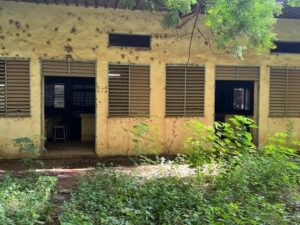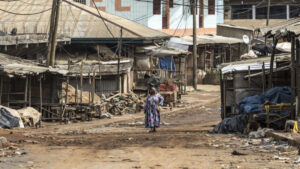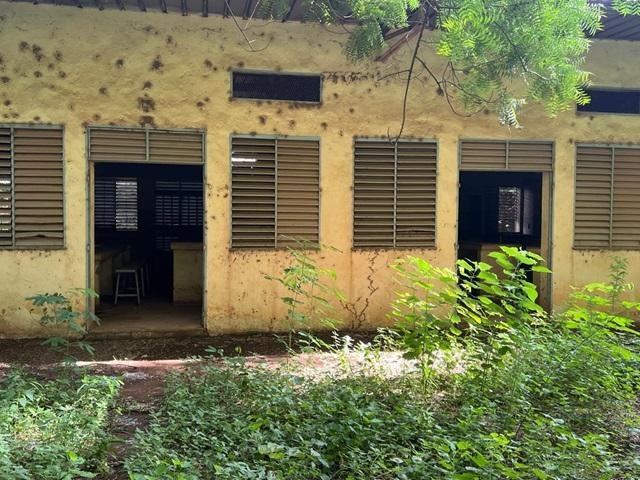
As Bamako rings in the official start of the 2026–2027 school year on October 1, the Malian government’s bold declaration of an “Year of Education and Culture” collides head-on with a harsh reality. Behind the ceremonial banners, more than 2,400 schools remain shuttered across the country, extinguishing the learning prospects of over 730,000 students and revealing the stark limitations of the junta’s strategy.
Classrooms under siege: how insecurity hollows out Mali’s schools
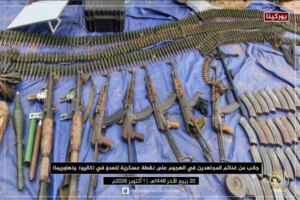
One in five schools nationwide no longer functions, yet the causes run deeper than isolated violence. Islamist armed groups have systematically targeted educational infrastructure, either torching buildings, converting them into displacement shelters, or seizing them outright. In Kidal, the country’s most remote northern region, 84 percent of schools remain closed, while in Ménaka—where the Islamic State in the Greater Sahara (EIGS) holds sway—52 percent of classrooms are listed as non-operational. The crisis has also engulfed central regions such as Mopti and Bandiagara, where the Group for the Support of Islam and Muslims (GSIM, Al-Qaeda-aligned) enforces de facto control and demands school closures under threat of violence against teachers.
From broken promises to rising rebellion: the junta’s collapsing security gamble
The Malian transitional authorities gambled their legitimacy on restoring national security, severing military ties with France, expelling the UN peacekeeping mission, and abandoning the Algiers Peace Accord. In its place came a new partnership with Russian state forces and Africa Corps (formerly Wagner), marketed as a swift route to territorial recovery. Yet after a highly publicized recapture of Kidal in late 2023, Malian troops and their Russian allies found themselves mired in grueling attritional warfare. A stinging defeat at Tinzaouatène in summer 2024 exposed fatal weaknesses, emboldening insurgent factions and prompting retaliatory strikes across the country. High-profile attacks on Bamako’s gendarmerie school and a military airbase in September 2024 underscored how far the conflict had spilled into the nation’s core institutions.
Territories of neglect: sovereignty frayed across Mali’s map
The military landscape now shows a patchwork of dwindling government control. In the far north—Kidal, Ménaka, and Taoudénit—the state survives only in fortified outposts, while EIGS and GSIM factions carve out zones of influence, imposing taxes and enforcing their own rules. Central regions, including Mopti and Ségou, remain effectively lawless; insurgents lay siege to towns like Niono and Djenné and forbid government-run schooling under penalty of death. Meanwhile, in the south and west—Koulikoro, Sikasso, and Kayes—the GSIM’s dormant cells are tightening economic chokeholds, sabotaging fuel supplies and major highways and throttling the capital’s lifelines.
Lost generations: when education yields to arms
The widening gap between official optimism and on-the-ground suffering could scarcely be sharper. While Bamako’s podiums echo the mantra of national refoundation, the right to education is retreating across the land. Every shuttered school is a propaganda victory for obscurantist factions, offering fertile ground for radical recruitment. What was supposed to be Mali’s breakthrough “Year of Education” now looms as another wasted academic cycle for hundreds of thousands of children caught in the crossfire of war.