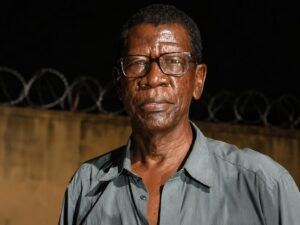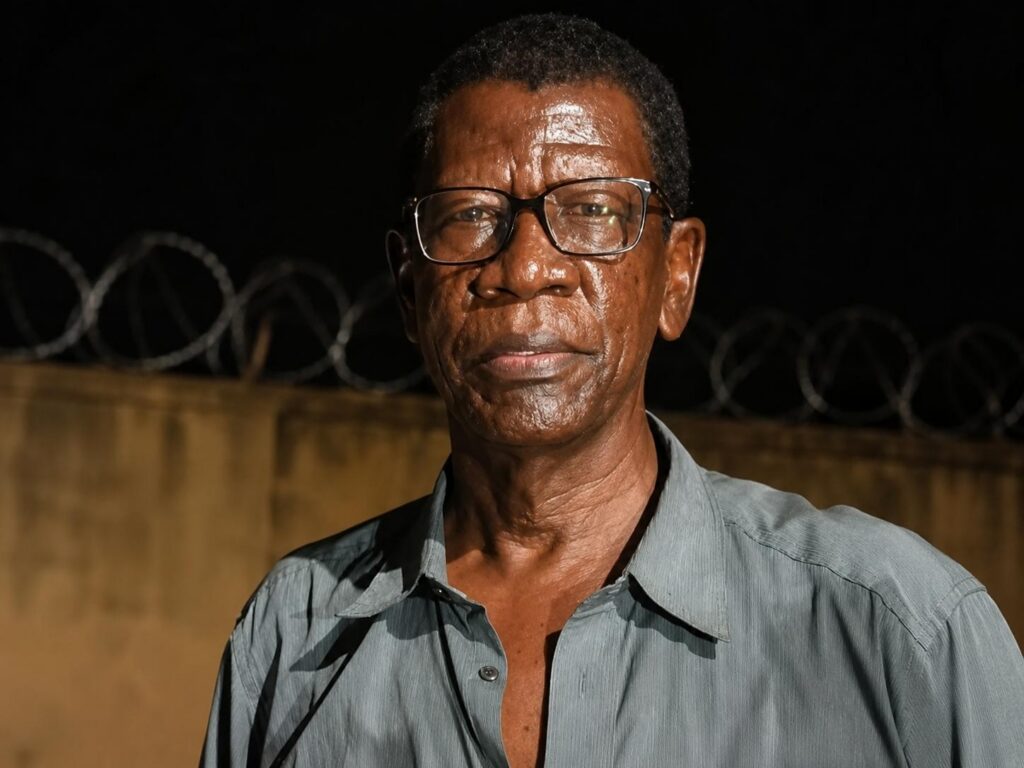
The forced disappearance of Moussa Kaka, a veteran Nigerien journalist and longtime correspondent, has plunged Niamey into a tense standoff. For 30 days, authorities have held him incommunicado—without filing a single charge, explaining his detention, or even confirming his whereabouts. The silence from official quarters has not quelled public unease; it has amplified it, turning skepticism into a daily currency on the streets of Niger’s capital.
Thirty days of unanswered questions
The initial seizure occurred mid-reporting assignment, yet no legal dossier has ever surfaced. Security services under Abdourahamane Tiani took Kaka into custody and have since stonewalled every request for procedural transparency. From courthouse corridors to family living rooms, the uniform reply remains the same: no further information is forthcoming. Journalists, rights monitors, and diplomats now speak less of Kaka’s fate and more of the precedent his case is setting—what it signals, not only for media freedom, but for the rule of law itself.
Empty cells, empty assurances
Despite relentless international pressure, no formal accusation, court summons, or medical assessment has been shared. The absence of these basic judicial staples has prompted alarm among fellow reporters who recall the rapid slide from detention to disappearance during the coup that brought the current authorities to power. Colleagues who once stood shoulder-to-shoulder with Kaka now guard their notepads with their lives, fearful that the next byline could be their last.
How a nation’s trust is quietly eroding
Confidence is a fragile thing, especially when citizens can no longer trust information or the institutions meant to safeguard it. Kaka’s prolonged detention without accountability has seeped into daily conversations, chipping away at public trust in government statements and official narratives. Business owners fret over delayed permits and opaque inspections; students debate whether campus debates still count as free expression; taxi drivers question why the radio now airs only army communiqués. The cumulative effect is not a single headline about one missing journalist, but a creeping sense that open inquiry itself is under siege.
Echoes of Sahel-wide repression
Moussa Kaka’s ordeal is not an isolated tragedy—it is the sharpest edge of a broader Sahel-wide clampdown. Since the wave of military takeovers in neighboring countries, independent outlets have faced gags, suspensions, and travel bans. Names like Soumana Idrissa Maïga (L’Enquêteur) and Samira Sabou have become shorthand for the cost of speaking truth to power. Each new case intensifies the message: dissent will be met with silence, whether enforced by courtroom or by cell. Kaka’s continued absence is no longer just about one journalist; it is a bellwether for the health of Niger’s civic space.
What freedom loses when facts disappear
The most damaging consequence of Kaka’s detention may be the lesson it teaches to the next generation of reporters. With each passing week, fewer voices dare to cover politics, corruption, or border-area insecurity. Those who remain operate under self-censorship, rewriting copy to avoid keywords flagged by opaque algorithmic filters. The local press club has seen membership dwindle as journalists absorb the cost of fear. Editors who once ran investigative features now fill pages with official handouts, aware that the alternative is a midnight knock on the door.
Leading questions that refuse to fade
As the calendar flips to day thirty-one, the questions multiply rather than recede. Where is Moussa Kaka? Is he receiving medical care? Was his arrest a tactical strike against specific sources, or a speculative bid to muzzle all critical coverage? And, perhaps most pressing, how far will the crackdown advance before the judiciary—or the public—push back? For Niamey’s residents, the answers will determine whether tomorrow’s headlines still have room for truth, or only space for silence.