Cameroon’s anglophone crisis: how a one-day shutdown is reshaping lives, livelihoods and the economy
On October 1, Cameroon’s anglophone regions came to a standstill as separatists called for a ‘ghost town’ day, marking the anniversary of the 1961 reunification that created the Federal Republic of Cameroon. The shutdown, observed in the North-West and South-West regions, brought economic activity to a halt, leaving citizens, businesses and the local economy counting the cost of a decade-long conflict.
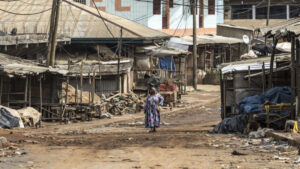
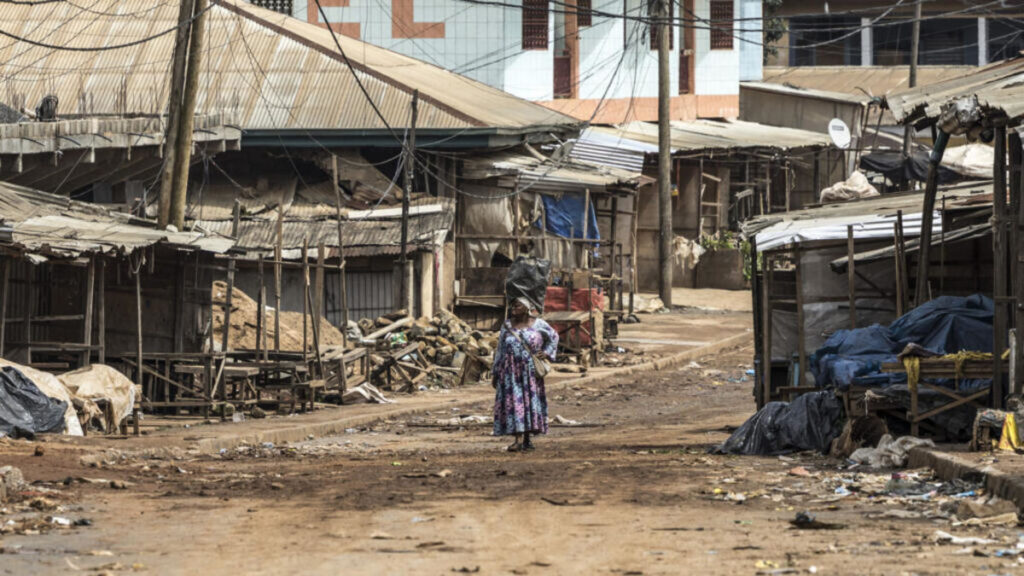
Security forces were deployed across major cities, setting up checkpoints and conducting patrols to deter any unrest. By midday, no major incidents had been reported, but the streets of Bamenda, Buea and other towns were largely deserted as residents stayed indoors. The impact was immediate: markets closed, shops shuttered, and transport ground to a halt, dealing a fresh blow to an already fragile local economy.
Economic paralysis in the North-West and South-West
The ‘ghost town’ operation, a recurring tactic by separatists, has become a painful ritual for many in the anglophone regions. For a day, the usual hustle of commerce disappears. In Bamenda, the North-West regional capital, military tanks and patrols were visible at key intersections, a sight that residents say is both reassuring and intimidating. ‘We just want to go about our lives, but every October 1st we are reminded of the crisis,’ said a local trader who asked not to be named.
In Buea, the South-West’s main city, the scene was similar: quiet streets, closed businesses, and a palpable sense of uncertainty. The economic toll of these recurring shutdowns is immense. Small businesses lose daily revenue, workers lose wages, and the informal sector—which many rely on—is hit hardest. Over a decade of crisis, the cumulative effect has been devastating, pushing families deeper into poverty and forcing many to flee.
Human toll: displacement, loss and interrupted education
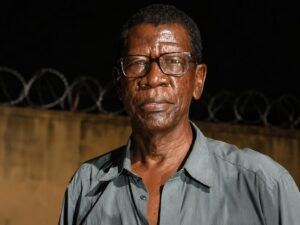
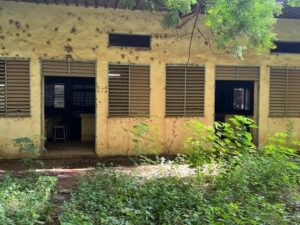
According to several NGOs, the anglophone crisis has claimed more than 6,000 lives and displaced hundreds of thousands over the past ten years. Behind these statistics are personal tragedies: families who have buried loved ones, children whose schooling has been interrupted, and communities torn apart. On this October 1st, Khongor Félix Agbor, a lawyer and former detainee, published a reflection honoring ‘the families who have buried their relatives, the displaced, the children whose education was halted, all those who live in fear, and the detainees of the anglophone crisis.’
His words resonated with many who feel the crisis is far from over. The ‘ghost town’ days, while a form of protest, also serve as a stark reminder of the everyday consequences for ordinary citizens.
Social media debates highlight a decade of suffering
On platforms like TikTok, panels featuring the blue and white colors claimed by separatists sparked discussions about the ten-year crisis. These online conversations reflect a growing desire among anglophones to be heard, even as the physical shutdown silences their streets. The digital space has become a vital outlet for sharing stories of survival, loss and resilience.
Yet, the economic impact extends beyond the anglophone regions. Reduced trade and investment affect the entire country, as businesses in other parts of Cameroon that rely on supplies from the North-West and South-West also feel the pinch. The crisis has become a national economic burden, slowing growth and deterring foreign investment.
What next for a region in limbo?
As the sun set on another ‘ghost town’ day, the question on many minds is whether this cycle of protest and crackdown can ever be broken. For now, the people of the North-West and South-West continue to bear the brunt—economically, socially and psychologically. The world may move on, but for them, the crisis is a daily reality that shows no sign of ending.