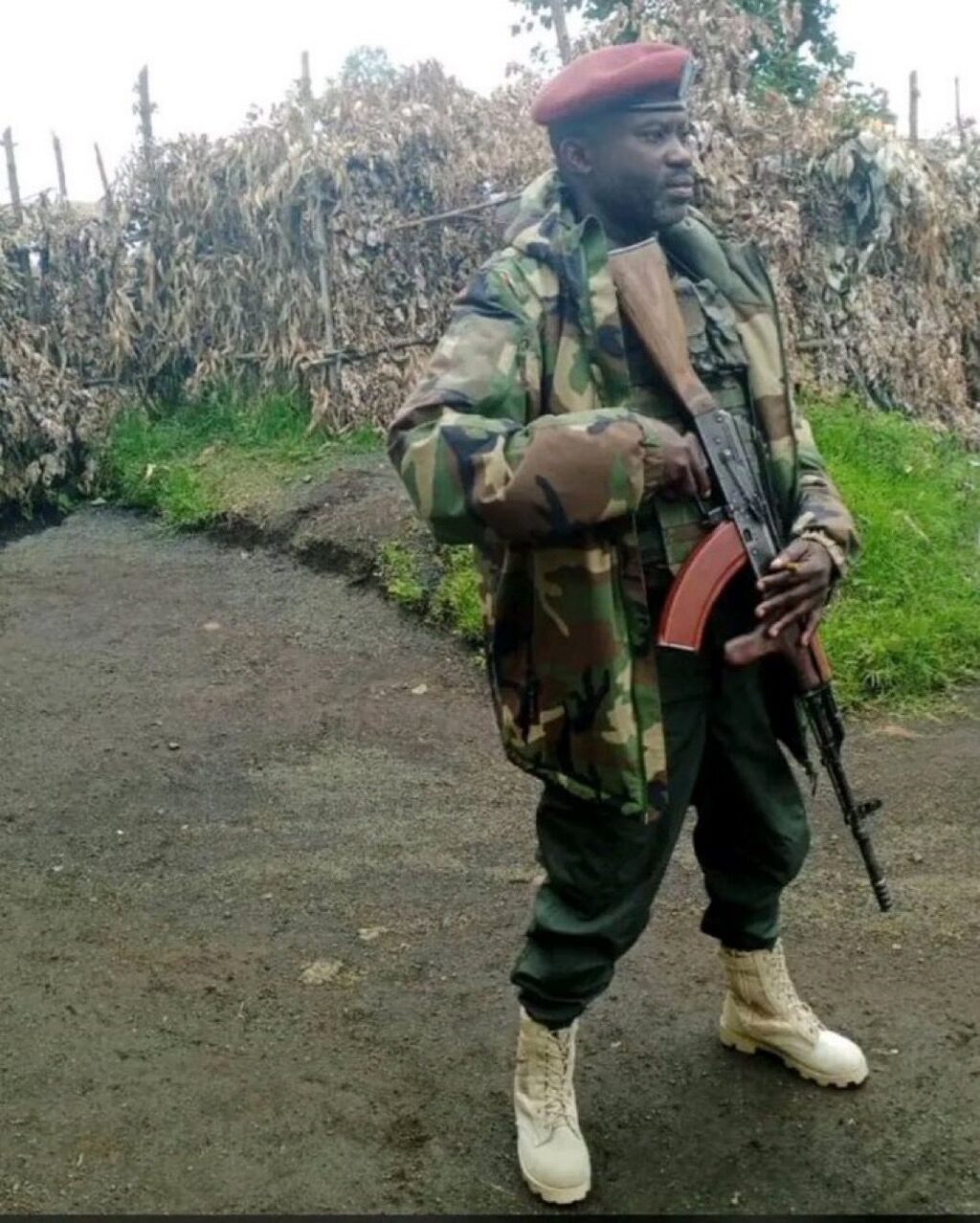
The U.S. finally sanctions a mastermind of Congo’s RDF/M23 terror machine
On June 2, 2026, the U.S. Department of the Treasury imposed sanctions on John Imani Nzenze, the intelligence chief of the RDF/M23 rebel movement—a long-overdue but symbolic move against a central figure in a military system accused of decades of violence, looting, and mass displacement in eastern Democratic Republic of the Congo.
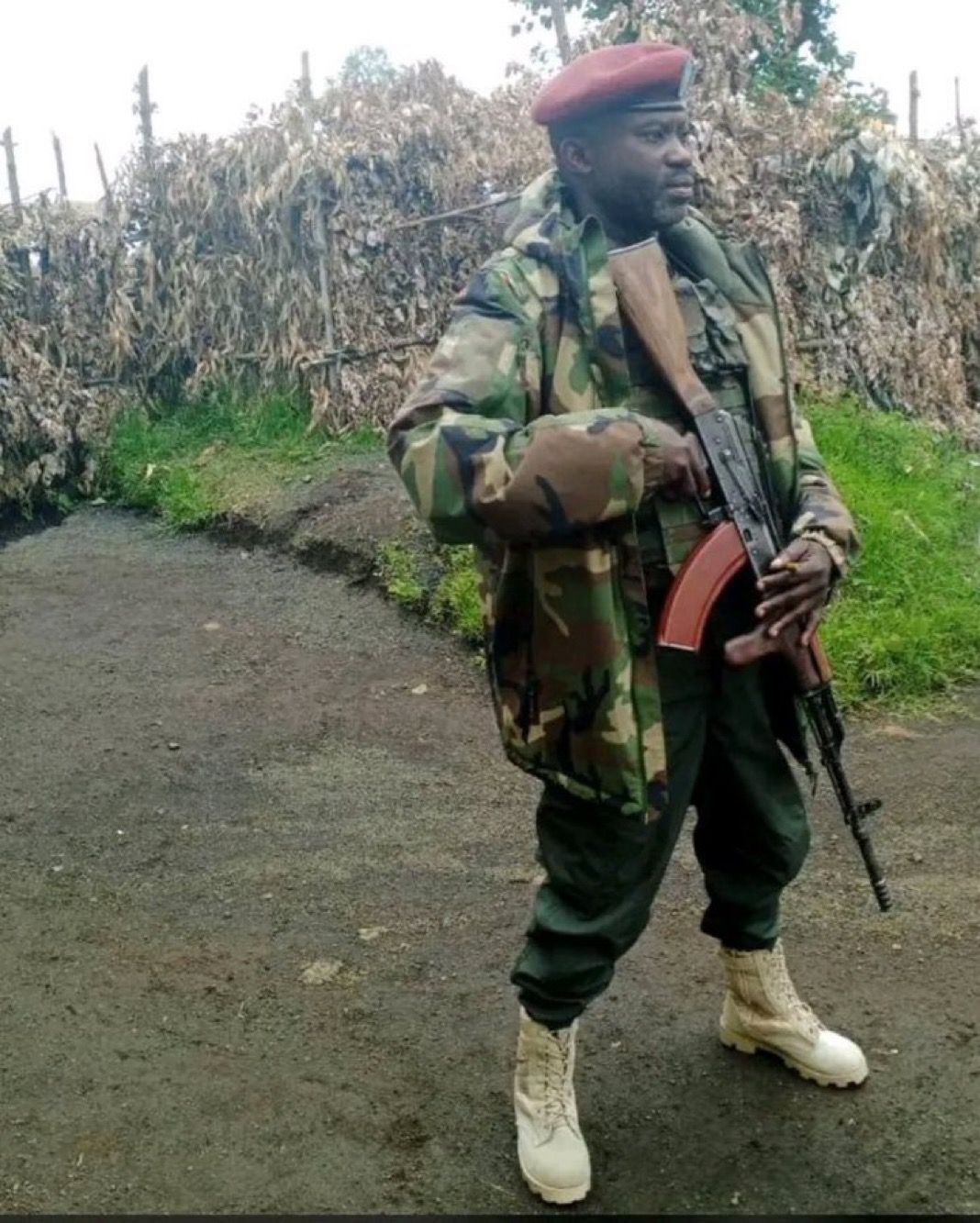
Nzenze is no newcomer to Congo’s violent past. A veteran of nearly 30 years of aggression, he has been a fixture in rebel structures backed by Rwanda since the late 1990s. His career spans the Rassemblement Congolais pour la Démocratie (RCD), the National Congress for the Defence of the People (CNDP), and now the M23—each movement tied to Kigali’s strategic interests in Congo’s mineral wealth.
A rebel career tied to Rwanda’s shadow war in Congo
Contrary to common misconceptions, the RCD did not emerge during the “second Rwandan war” but in August 1998, following Rwanda and Uganda’s invasion of Congo. Operating under the RCD banner, Kigali disguised its military occupation of the Kivu region and the exploitation of Congo’s vast mineral resources. Nzenze was among its early architects.
By the 2000s, he had transitioned to the CNDP, another Rwandan-backed rebellion infamous for war crimes. The 2009 integration of CNDP fighters into the FARDC (Congo’s national army) was little more than a tactical pause. Nzenze and others, including Sultani Makenga, soon returned to armed rebellion, reviving the M23 in 2012 under the pretext of unmet peace accord promises. In reality, Kinshasa witnessed the rebirth of a Rwandan-controlled armed faction.
The M23’s reign of terror and the role of Nzenze’s intelligence network
Since its resurgence in late 2021, the RDF/M23 has been linked to grave atrocities: summary executions, civilian bombings, forced recruitment, sexual violence, targeted assassinations, village occupations, mass displacements, and illegal mining operations. Thousands have fled the North Kivu region, while key mining zones like Rubaya have fallen under rebel control with Rwandan military support.
At the heart of this militarized intelligence machine was Nzenze. His networks are accused of orchestrating infiltrations, tracking and eliminating opponents, surveilling local populations, and coordinating with clandestine Rwandan Defense Forces (RDF) units operating inside Congo. For years, key figures in the RDF/M23 operated with near-total impunity, despite damning UN reports documenting Rwanda’s direct involvement in Congo’s war.
Symbolic justice, but a system still intact
The sanctions against Nzenze signal a belated recognition of responsibilities long denounced by Congo’s government and victims. Yet they raise a critical question: why target individuals while the broader politico-military apparatus—funding the war and profiting from Congo’s chaos—remains untouched?
To many Congolese, the M23 is not an isolated rebellion but the latest chapter in a 30-year strategy to destabilize eastern Congo. The goal? Maintain control over natural resources and preserve Rwanda’s military and economic influence over Congolese territory.
For decades, the RDF/M23 has been a tool of regional strategy, not a standalone threat. Sanctioning Nzenze is a step forward—but only if it marks the beginning of real accountability.