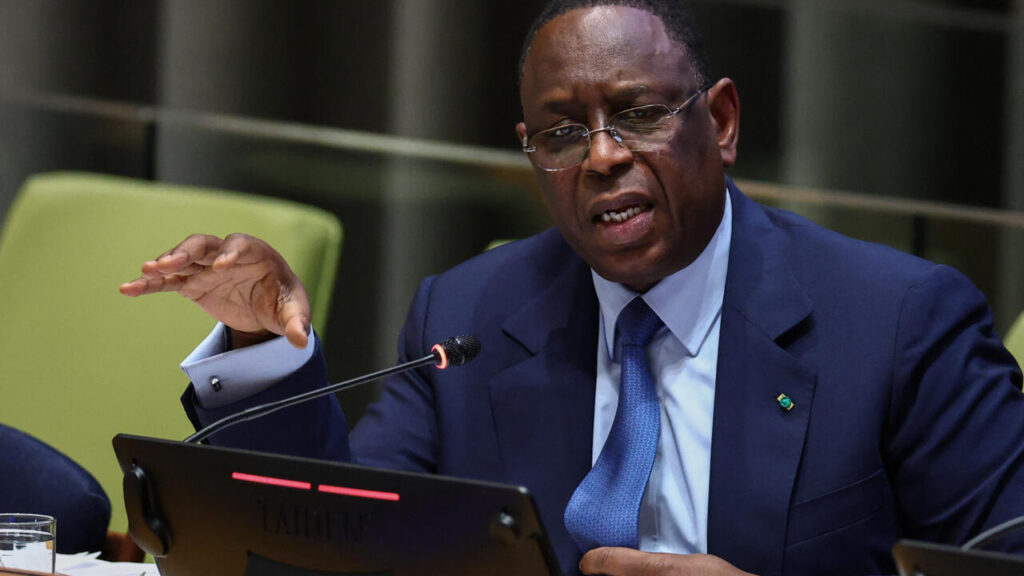
Bassirou Diomaye Faye has reversed his predecessor’s stance on Senegal’s backing for Macky Sall’s UN bid. Just three days after hosting the former president at the presidential palace, the current leader announced on July 20 that Dakar would fully support Sall’s candidature for United Nations Secretary-General, deploying the entire diplomatic apparatus to champion the proposal.
This abrupt change contrasts sharply with Senegal’s reservations expressed in March and its earlier opposition within the African Union. By aligning the country’s formal endorsement behind Sall’s campaign, Diomaye Faye bolsters the former president’s international bid—allowing him to claim the official backing of the state he once led for twelve years. What motivated this unexpected diplomatic about-face? Could it further strain relations between the current president and his former prime minister, Ousmane Sonko?
Diplomatic calculus behind the endorsement
The volte-face underscores a strategic recalibration in Dakar’s foreign policy. By throwing its weight behind Sall’s candidature, Senegal signals a renewed commitment to multilateral leadership while reinforcing its diplomatic influence on the global stage. The move also positions Dakar as a key player in shaping the continent’s voice within international institutions.
Yet the abrupt shift raises questions about its domestic implications. Tensions between President Diomaye Faye and former prime minister Ousmane Sonko—once a political ally—have simmered since Sonko’s removal from office. Could this diplomatic realignment deepen existing rifts within Senegal’s political landscape?
Regional repercussions and continental dynamics
The decision also reverberates across the African Union, where Senegal’s earlier reservations had aligned with broader continental debates over leadership transitions. Dakar’s reversal introduces a new variable into the race for the UN Secretary-General post, potentially swaying other African states to reconsider their positions.
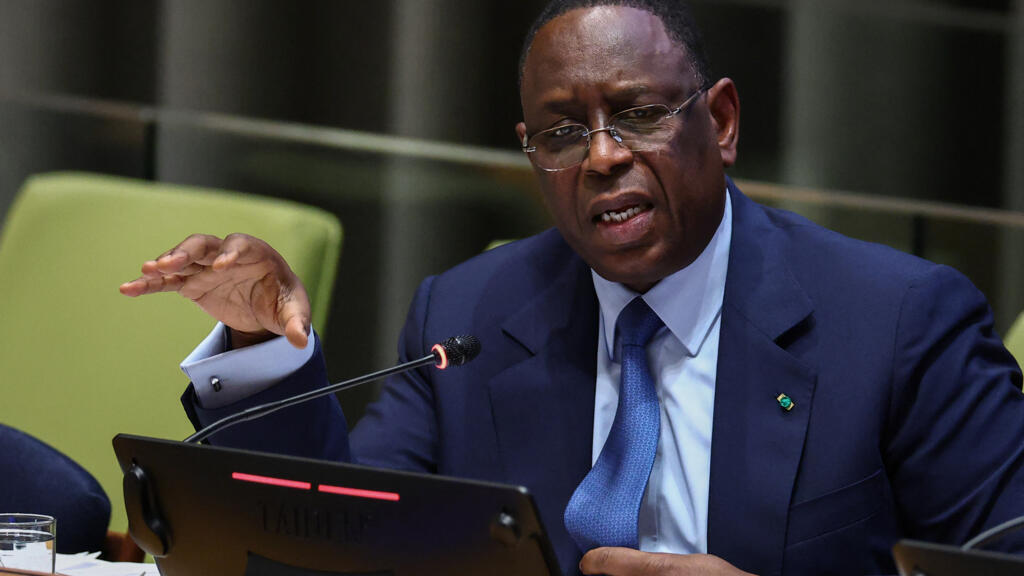
With Macky Sall now armed with Dakar’s official endorsement, his campaign gains unprecedented leverage. The former president can now assert that his candidature enjoys the full backing of the state he once helmed—a powerful argument in a contest where legitimacy and institutional support are paramount.
What’s next for Senegal’s diplomacy?
As Dakar mobilizes its diplomatic corps to champion Sall’s bid, the coming weeks will reveal whether this strategic pivot translates into tangible support from other nations. Meanwhile, the move’s domestic fallout remains uncertain, with political observers closely watching the evolving relationship between Diomaye Faye and Sonko.