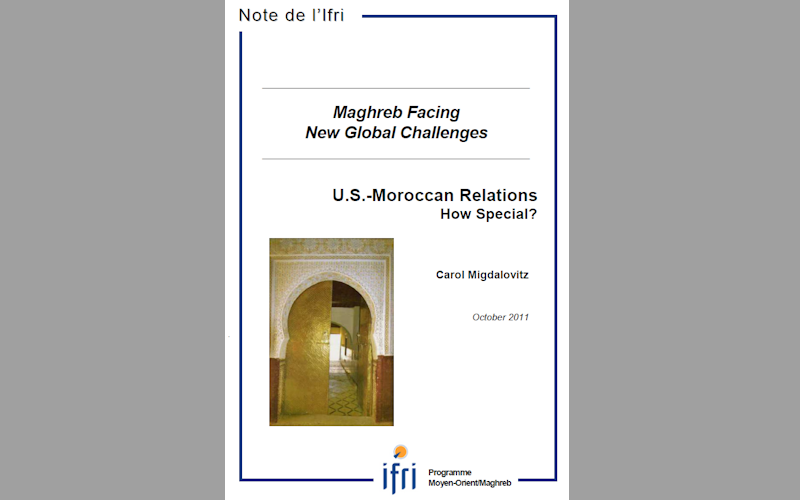
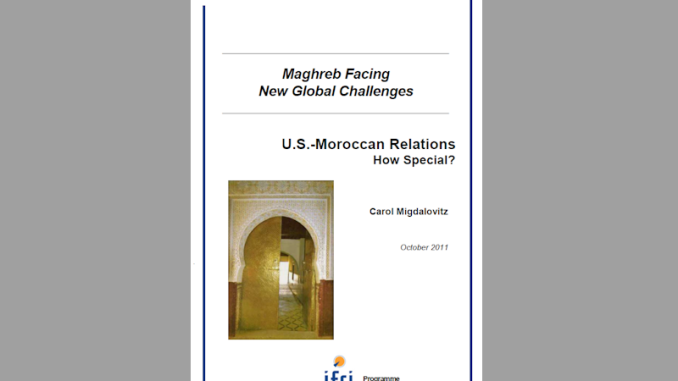
A bond often labeled as “special” between Washington and Rabat stands as one of America’s most enduring and distinctive diplomatic relationships. Rooted in history yet continually reshaped by global shifts, this alliance has evolved through a delicate balance of shared interests and pragmatic adjustments.
On June 23, 1786, Morocco etched its name in history by becoming the first nation to formally acknowledge the independence of the United States through the signing of a Treaty of Peace and Friendship. This landmark agreement, originally conceived to safeguard American merchant vessels from Mediterranean piracy, remains in effect today. While both capitals frequently emphasize the “special” nature of their ties, the reality reveals a partnership forged by strategic imperatives rather than mere diplomatic rhetoric.
World War II: forging an unbreakable alliance
Though their relationship stretches back centuries, it was the Second World War that solidified the bond between the two nations. In 1942, Operation Torch marked a turning point as Allied forces, led by General Dwight D. Eisenhower, launched a massive amphibious assault involving 35,000 American troops onto Moroccan shores.
Beyond its military significance, the operation held profound symbolic value for Sultan Mohammed V. During the 1943 Casablanca Conference, President Franklin D. Roosevelt reportedly pledged support for Morocco’s post-war sovereignty, a promise that bolstered America’s standing among Moroccans despite provoking strong objections from General de Gaulle.
Cold War dynamics: bases, nuclear deterrence and sovereignty
Following Morocco’s independence in 1956, the alliance adapted to the realities of the Cold War era. Recognizing Morocco’s strategic value, the U.S. established air bases capable of projecting nuclear force toward the Soviet bloc, under the Strategic Air Command (SAC).
However, King Mohammed V’s push for full sovereignty soon clashed with American strategic interests. While Washington prioritized maintaining a forward operating base in North Africa, Rabat insisted on the removal of foreign troops. The tension culminated in 1963 when U.S. forces withdrew entirely from Moroccan soil, fulfilling earlier commitments.
Regional stability and political maneuvering
The preservation of Morocco’s political stability has long been a cornerstone of American policy in the region. When coup attempts threatened King Hassan II in 1971 and 1972, Washington responded with measured concern, wary of losing a moderate ally in an unstable neighborhood. Although fleeting suspicions emerged—fueled by the use of American fighter jets in the coup plots—the alliance endured.
Over time, Morocco honed its ability to navigate the intricacies of U.S. politics, transforming its security needs into a mutually beneficial partnership. From military cooperation in the Western Sahara to development initiatives like the Peace Corps, the relationship evolved into a form of reciprocal soft power diplomacy.
Navigating modern challenges
Today, as regional dynamics shift in the aftermath of the Arab Spring, the future of this historic alliance is once again being tested. The U.S. faces the dual challenge of preserving a long-standing strategic partnership while responding to the evolving political aspirations of local populations.
The decisions made in Washington will determine whether this “special relationship” can adapt to new realities or risk becoming a relic of a bygone geopolitical era.