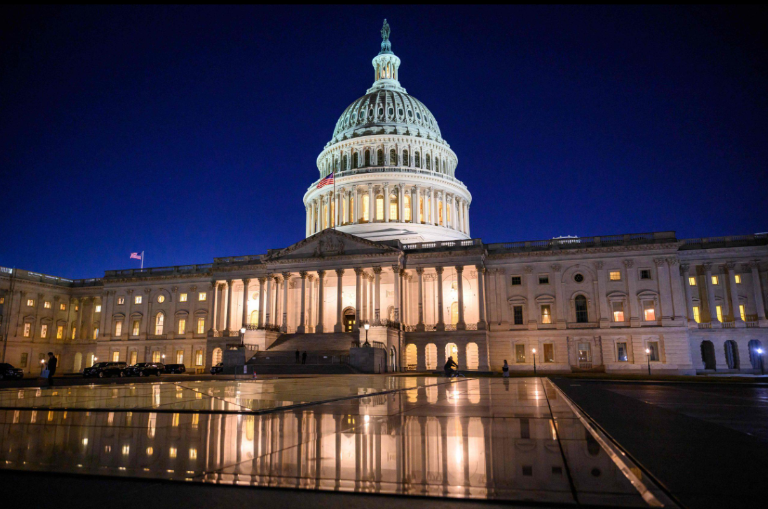
The 2026 US midterm elections delivered a historic blow to Donald Trump’s administration, with Democrats reclaiming both chambers of Congress. The outcome isn’t just a political setback—it’s a potential turning point for America’s role in global affairs, from the Middle East to Europe and beyond.
Washington, November 4, 2026.
Congress takes control: a new hurdle for Trump’s foreign policy
The Democratic victory in the House and Senate marks the most significant congressional shift since Trump’s return to the White House. With two years left in his term, his administration now faces a determined opposition poised to reshape the legislative landscape—and the nation’s international standing.
Traditionally, a unified Congress has enabled Trump to advance his agenda with minimal resistance. But the new Democratic majority will wield powerful tools: budgetary oversight, investigative hearings, and the power to block key diplomatic appointments. While the president retains authority over military and trade decisions, the congressional shift introduces a critical layer of scrutiny that could stall—or even reverse—elements of his foreign policy.
The Iran conflict: a test of divided power
The military intervention in Iran, launched without prior congressional approval in early 2026, became a defining issue in the midterms. Public backlash over the prolonged engagement and lack of transparency has fueled Democratic demands for stricter oversight.
With control over military funding, Democrats are positioned to challenge Trump’s escalation strategies. However, their ability to halt operations remains limited. The risk? A paralyzed foreign policy that emboldens adversaries like Iran, all while forcing Washington into a defensive posture on the world stage.
Ukraine and Europe: a glimmer of hope for restored alliances
For Europe, the midterm results offer a rare moment of optimism. Trump’s tenure has strained transatlantic relations, with abrupt shifts in NATO commitments and trade policies that left allies scrambling. A Democratic-led Congress could push for more predictable support to Ukraine and a return to multilateral diplomacy.
Yet, the picture isn’t entirely clear-cut. While Congress may advocate for stronger ties with Europe, Trump’s executive decisions still hold sway over military aid and trade negotiations. The continent’s leaders may find new allies in Washington—but they can’t yet count on a full reset in US foreign policy.
Trade wars and economic tensions: Congress vs. the presidency
Trump’s sweeping tariffs have sparked global trade disputes and economic uncertainty. Democrats now seek to rein in his protectionist measures, aiming to curb their impact on domestic prices and international partnerships. But the president’s executive powers over trade remain formidable, meaning a quick resolution is far from guaranteed.
The standoff underscores a deeper struggle: can the US present a united front in global economics, or will partisan divisions continue to erode its credibility and market stability?
A weakened America? The stakes for global stability
These midterms aren’t just about domestic politics—they’re a stress test for America’s global leadership. The combination of a weakened presidency and a combative Congress could erode the country’s ability to project power consistently. Allies may grow wary of Washington’s reliability, while adversaries could exploit the uncertainty to advance their own agendas.
As the 2028 election looms, the stakes couldn’t be higher. Trump’s political future hangs in the balance, but so does America’s capacity to navigate an increasingly volatile world. One thing is clear: the consequences of these midterms will ripple far beyond the borders of the United States.