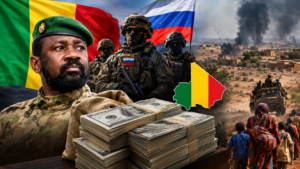
An in-depth investigation has exposed the shadowy financial and criminal networks that sustain the operations of the Wagner Group across Africa. These revelations, presented in a recent report, trace the illicit flow of funds that enable the controversial mercenary organization to expand its influence on the continent, particularly in resource-rich regions.
how blood gold fuels conflict and instability
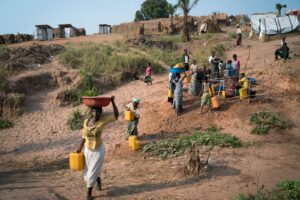
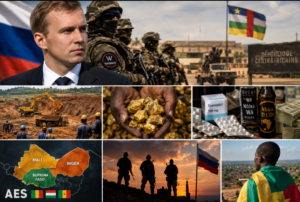
The report highlights how the extraction and trade of gold—often dubbed “blood gold”—have become a primary revenue stream for Wagner-linked entities. These funds are siphoned through complex smuggling routes, bypassing international sanctions and local regulations. In conflict zones, the control of mining operations not only generates profits but also exacerbates violence, displacing communities and undermining fragile governance structures.
In one case study, investigators documented how artisanal miners in remote regions are coerced into handing over their добыча to armed groups tied to Wagner. The proceeds are then laundered through a web of shell companies, cryptocurrency transactions, and corrupt officials, making it nearly impossible to trace the origins of the funds.
the role of global networks in enabling Wagner’s expansion
The investigation underscores the complicity of international actors in facilitating these operations. Middlemen, often operating from neighboring countries, act as intermediaries, connecting Wagner-affiliated entities with global markets. These networks leverage weaknesses in border controls and regulatory oversight to move both gold and cash across borders with minimal scrutiny.
Moreover, the report identifies key financial hubs where funds are consolidated before being redistributed to Wagner’s operations. These hubs, located in jurisdictions with lax enforcement of anti-money laundering laws, provide the perfect environment for illicit financial flows to thrive. Digital payment platforms and informal money transfer systems further obscure the trail, complicating efforts by law enforcement to disrupt these networks.
disrupting the system: challenges and solutions
While the findings paint a grim picture, the report also outlines potential strategies to curb Wagner’s financial lifelines. Strengthening regional cooperation on border security and customs enforcement is critical. Additionally, enhancing transparency in the gold supply chain—through blockchain tracking and certification programs—could help identify and block illicit transactions.
International pressure on financial institutions to scrutinize transactions linked to Wagner is another essential step. By cutting off access to global banking systems, authorities can significantly hamper the group’s ability to fund its activities. However, the report warns that without concerted action, the blood gold trade will continue to fuel instability across the continent.
a call for accountability
The investigation serves as a stark reminder of the human cost of unchecked criminal enterprises. Communities caught in the crossfire of Wagner’s expansion pay the highest price, with their livelihoods and safety sacrificed for profit. The findings underscore the urgent need for accountability—not only for those directly involved in the trade but also for the governments and institutions that enable it through inaction.