Sahel and Lake Chad basin: key hotspots for Daech expansion
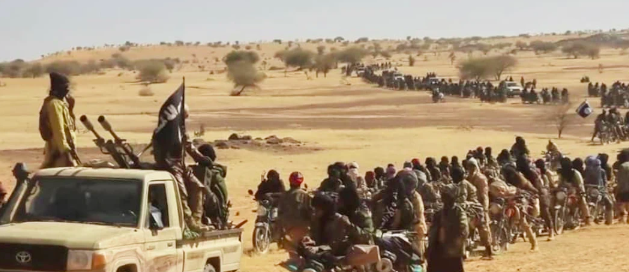
The United Nations has raised the alarm over the persistent and evolving threat posed by the Islamic State (Daech) across Africa, particularly in the Sahel and the Lake Chad basin. In its latest assessment, the UN highlights how regional affiliates of the group are gaining autonomy while exploiting local vulnerabilities, despite setbacks to its central leadership.
The warning comes from a fresh report submitted to the UN Security Council by Secretary-General António Guterres, which underscores the elevated terror risk in multiple African regions. The document, presented by Oguljeren Niyazberdiyeva of the UN Office of Counter-Terrorism, identifies the Sahel and Lake Chad basin as the group’s primary expansion zones.
ISWAP: Daech’s most active franchise worldwide
The report points to the Islamic State’s West Africa Province (ISWAP) as the organization’s most active branch globally. Military assessments indicate that ISWAP continues to strengthen its capabilities, increasingly deploying commercial drones for surveillance and attack operations. While counter-terrorism efforts have weakened Daech’s central command, its regional networks remain resilient, adapting to local conflicts and economic instability to sustain their operations.
The UN emphasizes that Daech has transformed into a decentralized network of autonomous affiliates, bound by a shared ideology but operating independently. This structure allows the group to survive military pressure and sustain attacks despite leadership losses.
New technologies: Daech’s evolving threat
The report also warns of Daech’s growing use of cutting-edge technologies, including artificial intelligence, encrypted communications, digital platforms, cryptocurrencies, and unmanned aerial vehicles (UAVs). These tools are being leveraged to enhance propaganda, recruitment, financing, and operational planning. The UN stresses the urgent need for stronger international cooperation and collaboration with the tech industry to regulate these emerging tools and curb their misuse by terror groups.
However, the report acknowledges that when used responsibly and within the bounds of international law, these same technologies can serve as powerful instruments in counter-terrorism efforts.
Other African hotspots under scrutiny
Beyond the Sahel and Lake Chad basin, the report highlights ongoing offensives by Daech-affiliated groups in the Democratic Republic of the Congo (DRC) and Mozambique. Despite pressure from national and regional forces, these groups persist in recruiting fighters and consolidating local networks. Their ability to exploit porous borders, weak governance, and socio-economic grievances continues to fuel instability in affected regions.
Oguljeren Niyazberdiyeva, in her assessment, notes that Daech’s adaptability and decentralized structure have allowed it to thrive despite sustained international counter-terrorism campaigns. ‘The group has fundamentally reshaped its operations to survive military pressure,’ she states. ‘Daech remains a grave threat to international peace and security.’
Call for global cooperation
The UN report calls for a strengthened international response, combining military, intelligence, and technological strategies with targeted socio-economic interventions. It underscores the need for a coordinated approach involving governments, regional organizations, and the private sector to address the root causes of radicalization and disrupt Daech’s operational networks.