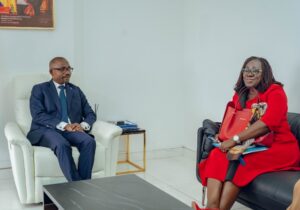

Paul Atanga Nji stands at the intersection of faith and leadership in Cameroon, serving as a Minister of State with a portfolio deeply rooted in religious and social harmony. His recent participation at the Vatican’s historic papal inauguration underscored his role as both a statesman and a devout figure in the country’s governance.
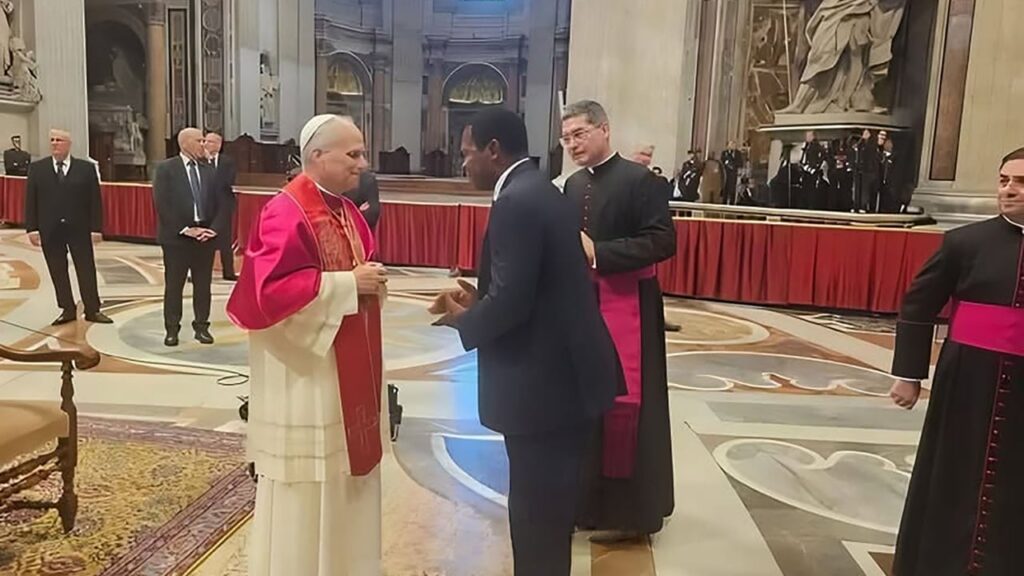
As Cameroon’s envoy to the event, Atanga Nji carried the nation’s presence to a global stage, reinforcing the importance of interfaith dialogue and diplomatic ties. His presence at the Vatican’s ceremony, held on May 18, 2025, highlighted Cameroon’s commitment to fostering international relationships grounded in shared spiritual values.
a dual role: minister and spiritual guide
Beyond his ministerial duties, Paul Atanga Nji is widely recognized for his unwavering dedication to promoting peace and unity through faith-based initiatives. His leadership extends beyond policy-making, influencing grassroots movements aimed at strengthening social cohesion across Cameroon’s diverse communities.
In a country where religion plays a pivotal role in public life, Atanga Nji’s unique position bridges the gap between governance and spiritual guidance. His initiatives often focus on leveraging religious networks to address pressing social challenges, from education to conflict resolution.
diplomacy with a spiritual touch
His participation in the Vatican ceremony was more than a diplomatic gesture—it was a testament to Cameroon’s alignment with global efforts to promote interfaith understanding. The event, marking the beginning of Pope Leo XIV’s papacy, brought together leaders from various faiths and nations, emphasizing the role of spirituality in shaping international relations.
Atanga Nji’s presence at the Vatican reflects Cameroon’s broader strategy of using faith as a tool for diplomacy. By aligning with global religious leaders, Cameroon positions itself as a key player in fostering peace and collaboration across continents.
impact on Cameroon’s social landscape
The Minister of State’s work extends into Cameroon’s communities, where he champions initiatives that integrate faith with development. His approach emphasizes collaboration between religious institutions and government agencies to tackle issues like poverty, education, and healthcare.
Through targeted programs, Atanga Nji has fostered partnerships between churches, mosques, and local authorities to create sustainable solutions. These efforts have not only strengthened social bonds but also enhanced Cameroon’s reputation as a nation where faith and governance coexist harmoniously.
challenges and opportunities
While his role as a spiritual leader and minister offers immense opportunities to drive positive change, it also presents challenges. Balancing secular governance with religious influence requires careful navigation to ensure inclusivity and respect for all beliefs.
Atanga Nji has often spoken about the need for unity, urging Cameroonians to set aside differences and work toward collective progress. His message resonates particularly in a nation marked by cultural and religious diversity, where cohesion remains a priority.
The Minister of State’s journey—from grassroots activism to high-level diplomacy—serves as an inspiration for many. His ability to merge spiritual values with statecraft offers a model for leaders seeking to create meaningful change in their societies.
looking ahead: faith-driven governance in Cameroon
As Cameroon continues to navigate its path on the global stage, leaders like Paul Atanga Nji play a crucial role in shaping its future. His commitment to faith-based governance not only reinforces Cameroon’s diplomatic ties but also strengthens its internal social fabric.
The lessons from his work extend beyond Cameroon, offering insights into how spirituality can be harnessed to address modern governance challenges. For a nation like Cameroon, where faith is intertwined with identity, such leadership is not just symbolic—it is transformative.