Screenshot
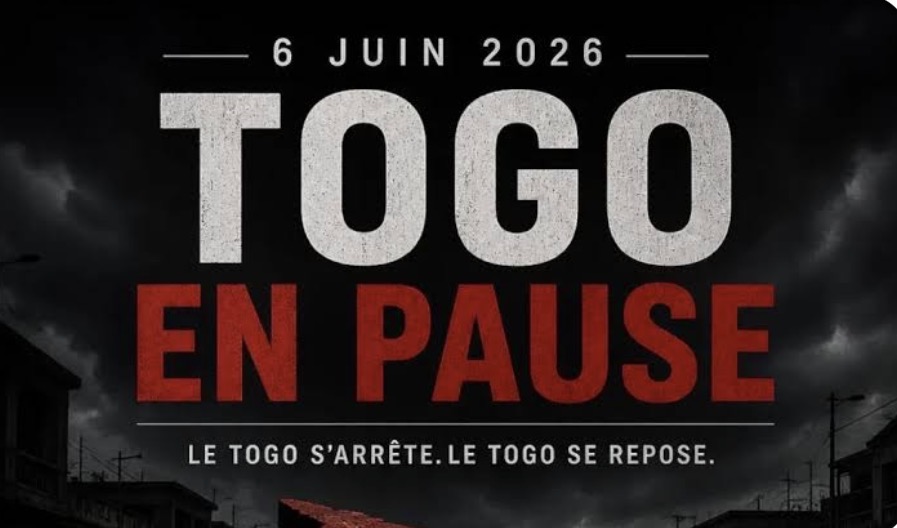
June 6, 2026, is not just another date on the calendar—it’s a deliberate act of defiance. For nearly six decades, Togo has operated under a rigid system of power, one that thrives on clan loyalty, military dominance, and entrenched ethnic divisions. Now, the citizens are saying enough.
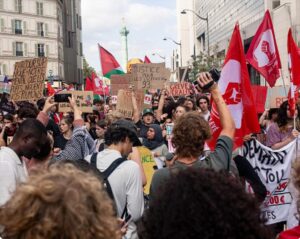
Under the banner of ‘Togo en Pause’, supported by the M66 movement and the broader resistance, the people of Togo are choosing a radical path: withdrawal over compliance. This isn’t a call for mere protest—it’s a rejection of a system designed to endure, not to evolve.
Elections come and go, institutions shift, but the underlying machinery remains unchanged. Repression of dissent, suppression of free speech, and systemic control aren’t anomalies—they’re the foundation of a regime built to last.
the youth breaks free from a broken system
For years, Togo’s youth has been fed promises but denied real alternatives. They’ve watched protests dissolve into violence, leaders face intimidation, and media outlets silenced. They’ve endured territorial inequality, social stigma, and deepening divides. Yet, they refuse to accept the status quo.
‘Togo en Pause’ offers a different kind of resistance—one that is peaceful yet unyielding. The strategy? Withdrawal. By staying home, suspending daily routines, and refusing to fuel the system, they force a confrontation. It’s a silent message: ‘If you won’t listen, notice what you lose.’
On June 6, every closed shop, every empty street, and every quiet neighborhood will speak louder than any slogan. It’s not withdrawal—it’s a political statement.
a system locked in place
Power in Togo doesn’t rest on a single figure—it’s embedded in a militarized, ethnic, and political elite that controls key institutions. The military, security forces, public administration, and state-owned enterprises are all held by loyalist networks. Fairness isn’t the goal; preservation of power is.
Both citizens and the diaspora see through the facade of modernization and international partnerships. Beneath the polished rhetoric, inequality deepens, poverty persists, and opportunities shrink. ‘Togo en Pause’ is a collective declaration: ‘We refuse to normalize the unacceptable.’
a movement without borders
The power of this call lies in its inclusivity. Workers, traders, students, civil servants, artisans, farmers, and the diaspora—all are invited to participate by disengaging from the system. No one is exempt from this act of defiance.
June 6 isn’t just another day. It’s a stand for dignity. It rejects the empty rituals of politics, the hollow promises, and the cycles of stagnation. It says: ‘We are not extras in your political theater.’
a test of courage
Choosing to stay home, to pause work, to limit movement—these aren’t easy decisions. They carry real risks: lost income, potential retaliation, and the weight of uncertainty. But they also challenge years of cultivated resignation, fear, and division.
This isn’t about a single slogan or a single group. It’s about generations of frustration, voices long silenced, and a growing demand for change. The question is simple: Do we continue to endure what we’ve always known, or do we dare to demand something different?
june 6: not an end, but a beginning
‘Togo en Pause’ isn’t a beginning, nor is it an ending. It’s a moment of clarity—a day when the people of Togo declare they will no longer prop up a system that has defined their nation for over six decades.
On June 6, Togo stops.
To rise again.