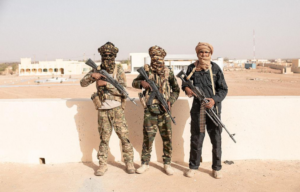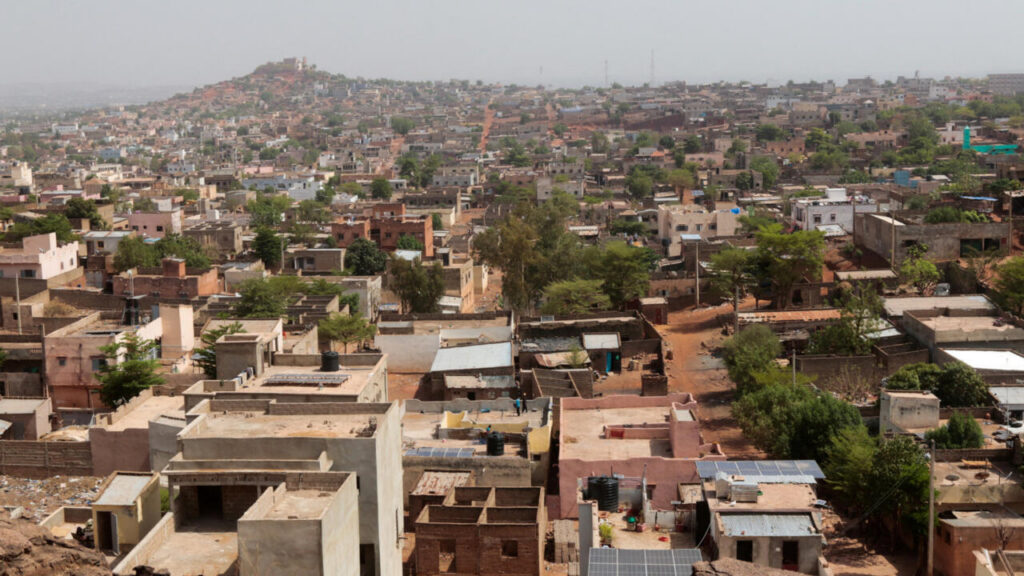
The Mali media landscape is facing unprecedented challenges as the country grapples with a tightening grip on information dissemination and a shift toward centralized power structures. Recent events have highlighted how authorities are restricting independent journalism while consolidating control around key political figures.
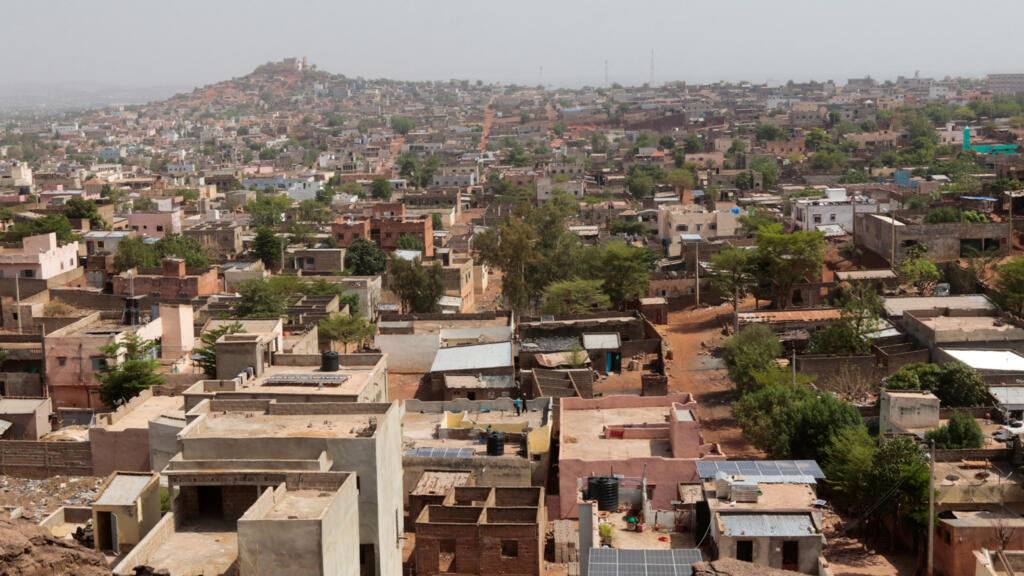
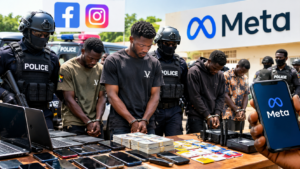
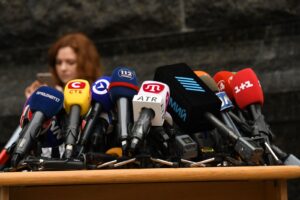
Recent military operations across Bamako and other regions have underscored the fragile state of media independence in Mali. The suspension of several Francophone outlets, including those accused of spreading “misinformation,” has created a climate of fear among journalists. This crackdown is not isolated; neighboring Niger and Burkina Faso have adopted similar measures, effectively narrowing public access to diverse viewpoints.
Crackdown on dissent and media restrictions
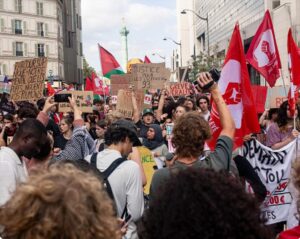
The situation has escalated to a point where critics describe the region as a “gulag for information.” Journalists face threats, intimidation, and arrests for expressing dissenting views. A prominent activist, Ibrahima Tamega, was detained in late May for allegedly participating in anti-Russia graffiti in Bamako. The arrest signals the government’s sensitivity to criticism of its strategic alliance with Moscow, which has become a cornerstone of its narrative.
Silencing critics of the Bamako-Moscow axis
Since severing ties with Paris, the Malian authorities have positioned Russia as a key partner in their sovereignist rhetoric. Any challenge to this alliance is swiftly suppressed. The case of Tamega illustrates how dissent is being systematically quelled. In a political environment already constrained by repression of opposition parties and activists, even minor acts of dissent like graffiti are met with heavy-handed responses.
Centralized power and its consequences
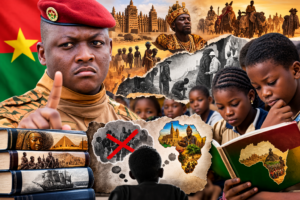
Researchers Salah Ben Hammou and Hiba Naciri have highlighted the dangers of concentrating power in the hands of one individual. General Assimi Goïta, who holds both the presidency and the defense ministry, has centralized authority to an unprecedented degree. This concentration of power prioritizes loyalty over competence, undermining the nation’s long-term stability.
According to their analysis, the personalization of leadership weakens military institutions and hampers operational efficiency. Decision-making processes increasingly revolve around protecting the leader’s position rather than addressing national security concerns or advancing public welfare. This approach not only erodes institutional strength but also jeopardizes the country’s ability to respond effectively to ongoing insurgencies.
The situation in Mali reflects a broader trend in the region, where governments are tightening control over information while consolidating power in the hands of a few. As authorities suppress dissent and curtail media freedom, the future of independent journalism in the Sahel remains uncertain.