Gabon and Ivory Coast reinforce strategic alliance with landmark military presence
Yopougon, Ivory Coast – July 17, 2026 – As African security landscapes undergo rapid transformation, two West African capitals are taking decisive steps to deepen their defense cooperation. The Gabonese Republic’s announced participation in Ivory Coast’s 66th Independence Day military parade marks a significant evolution in bilateral relations, signaling both nations’ commitment to strengthening regional security mechanisms.
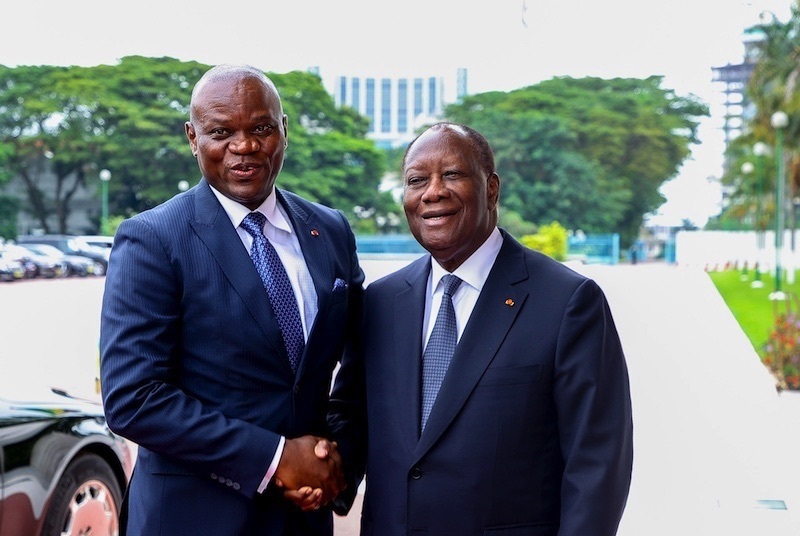
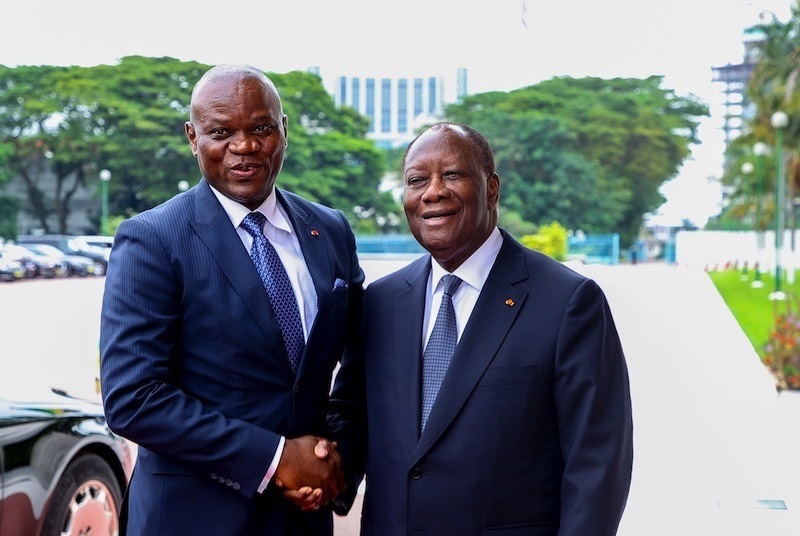
On August 7, 2026, Ivory Coast will host its independence celebrations under the theme ‘Peace, Unity, Development’ in Yopougon, a ceremony traditionally featuring a military display. Gabon joins Guinea, Benin, and India as one of the invited nations, with both a military detachment and President Brice Clotaire Oligui Nguema expected to attend. This participation elevates the event beyond mere protocol, transforming it into a strategic statement of solidarity.
From diplomatic tradition to security partnership
While Gabon and Ivory Coast have maintained robust political ties for decades, recent developments suggest a new phase in their relationship. In an era marked by transnational crime, evolving security threats, and shifting geopolitical dynamics, military cooperation has emerged as a cornerstone of African sovereignty.
The Gabonese presence at Yopougon’s parade serves as a tangible demonstration of mutual trust, highlighting both countries’ shared vision for enhanced defense, intelligence sharing, maritime security, and crisis management collaboration. This strategic alignment aligns with broader African efforts to consolidate collective security architectures and prevent regional conflicts.
A regional power play in West Africa
Ivory Coast’s Independence Day celebrations this year are set to be particularly grand, featuring over 5,400 defense and security personnel alongside extensive aerial, naval, and ground assets. Hosting the event in Yopougon—a densely populated municipality—sends a clear political signal of institutional proximity to citizens while showcasing the nation’s operational capabilities.
The inclusion of foreign contingents, including Gabon, underscores Ivory Coast’s commitment to regional security solidarity. Gabon’s invitation reflects its growing influence in African strategic balances, particularly in Central Africa, where it plays a pivotal role in maintaining regional stability. This participation also coincides with Libreville’s intensified diplomatic efforts to diversify its security partnerships across the continent.
Military diplomacy as an African integration tool
African military cooperation is undergoing a fundamental shift. Traditional bilateral agreements and legacy security frameworks can no longer address modern threats—from terrorism and maritime piracy to illicit trafficking and cross-border armed movements—that transcend national borders. Today, joint exercises, expertise exchanges, cross-training, and institutional solidarity demonstrations are becoming essential strategic tools.
Gabon’s role in the August 7 parade exemplifies this evolution. It reinforces the principle that African security must be conceived collectively, not in isolation. Beyond commemorating Ivory Coast’s independence, the event will symbolize Africa’s gradual construction of its own collective security frameworks.
In a global context dominated by geopolitical rivalries, the ability of African nations to strengthen regional partnerships may well determine the stability of the coming decades. The Yopougon parade will therefore celebrate not only a national milestone but also the emergence of an African security sovereignty built on cooperation, trust, and strategic solidarity.