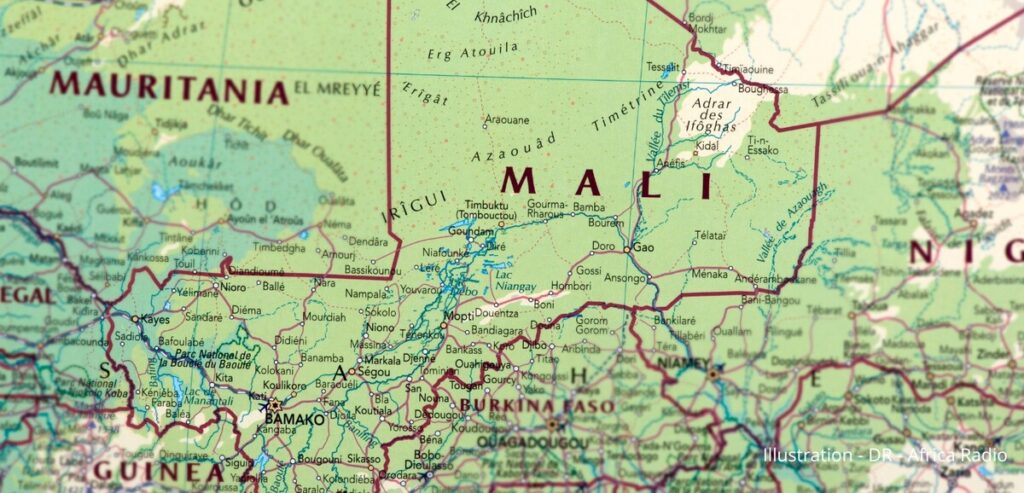
Since late April, renewed clashes and aerial bombardments in northern and central Mali have forced nearly 40,000 people from their homes. The cities of Gao and Ménaka are now sheltering many of these displaced families, straining local resources beyond their limits.
Violence drives mass displacement in Mali’s conflict zones
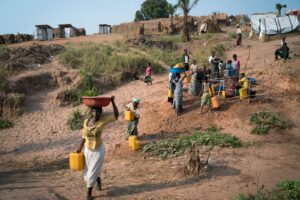
The surge in fighting has created a humanitarian crisis as civilians flee areas engulfed in renewed hostilities. In Gao, the regional capital, local officials report over 7,000 newly displaced persons in just three months. Meanwhile, Ménaka has absorbed thousands more, with humanitarian agencies warning of overwhelming pressure on already stretched infrastructure.
Kidal becomes epicenter of fresh offensive
The deterioration traces back to late April, when a coalition of jihadist groups—including the Group for the Support of Islam and Muslims (JNIM)—and separatist factions from the Front for the Liberation of Azawad (FLA) launched a coordinated assault. The strategic stronghold of Kidal fell under their control, sparking intense fighting in surrounding areas such as Anéfis. For residents, this means repeated displacement, abandoned villages, and increasingly limited access to critical services like healthcare and education.
Air strikes intensify displacement crisis
Over the past two weeks, Malian military airstrikes have intensified in regions near Kidal, particularly around Tinzawatene. According to security sources, some strikes have reportedly damaged health facilities, triggering additional waves of flight. While exact details remain unverifiable due to restricted access, the impact on civilian populations is undeniable—as more families flee toward safer areas, often with little more than the clothes on their backs.
Gao and Ménaka face growing humanitarian burden
The influx has overwhelmed local authorities and aid organizations in Gao and Ménaka. Displaced families, primarily from Kidal, arrive in urgent need of shelter, food, clean water, medical care, and child protection services. This crisis compounds an already dire situation: Mali now hosts over 400,000 internally displaced persons, a figure many humanitarian workers believe is significantly underreported. The latest wave threatens to push an already fragile system to the brink.
A decade of instability fuels ongoing displacement
Since 2012, Mali has grappled with a deepening security crisis involving jihadist factions linked to Al-Qaeda and the Islamic State, as well as armed communal and separatist groups. Despite military-led efforts following the 2020 and 2021 coups, the recent resurgence of violence underscores the persistent challenges in restoring stability. For countless Malians in the north, this latest surge marks yet another cycle of displacement—raising a haunting question: how long can they remain in their homes before fleeing becomes their only option?