Strategic leadership shift within Côte d’Ivoire’s PPA-CI ahead of Gbagbo transition
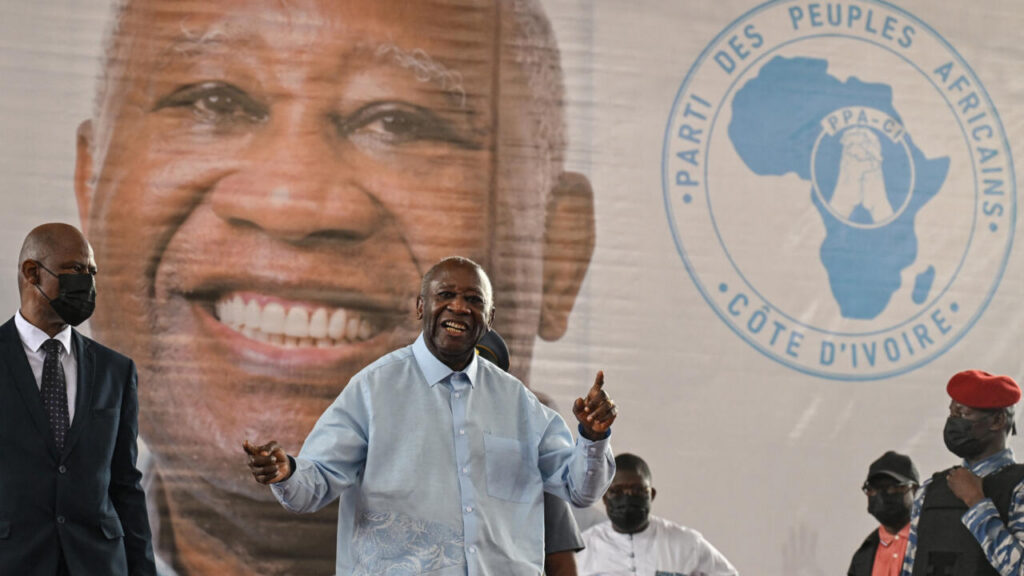
In a significant restructuring move, Côte d’Ivoire’s Parti populaire africain de Côte d’Ivoire (PPA-CI) has reassigned key leadership responsibilities to five prominent figures. This delegation of authority, previously held by former President Laurent Gbagbo, signals a calculated strategy to prepare for the post-Gbagbo era.
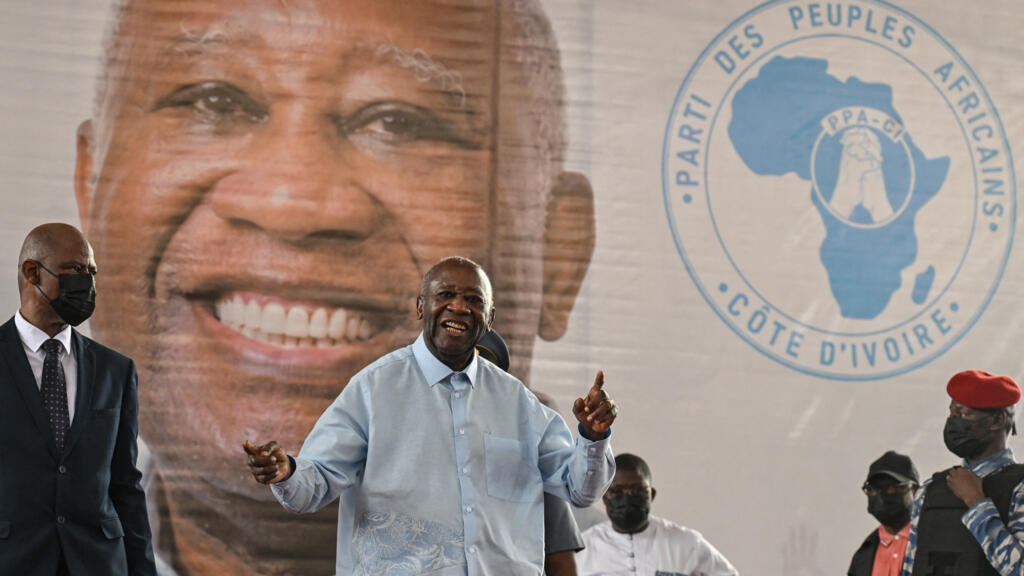
The reshuffle, which redistributes responsibilities previously under Gbagbo‘s direct oversight, raises questions about the party’s future direction and succession planning. Observers see this as a deliberate effort to decentralize decision-making and empower new leaders within the party structure.
Expert analysis on the strategic implications
Séverin Yao Kouamé, a sociologist and researcher at the University of Bouaké, offers insights into this leadership transition. His analysis highlights three key aspects of the reorganization:
- Institutional strengthening: The move aims to build a more resilient party apparatus capable of operating independently of any single leader.
- Generational transition: The appointment of new figures suggests an intentional shift toward younger leadership within the party.
- Strategic positioning: The changes may reflect preparations for future political challenges and electoral cycles.
Future prospects for Côte d’Ivoire’s political landscape
The restructuring comes at a critical juncture for both the PPA-CI and Côte d’Ivoire’s political scene. With Gbagbo‘s influence remaining strong but potentially transitioning to new roles, the party faces both opportunities and challenges in maintaining its political relevance.
The reallocation of responsibilities may indicate a long-term strategy to ensure the party’s continuity beyond any single individual’s tenure, while simultaneously testing the capabilities of the newly empowered leadership team.