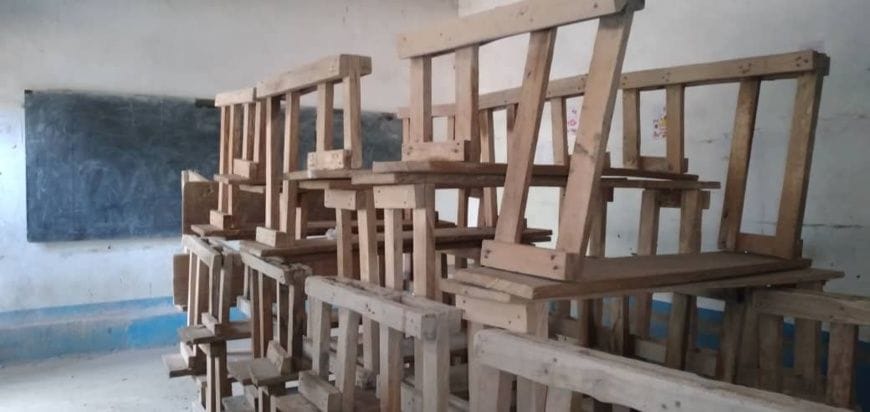
In Chad, the education system faces a growing crisis that threatens the nation’s future. Across classrooms in N’Djamena and beyond, school discipline has eroded, putting the training of tomorrow’s leaders at risk. Addressing this challenge requires a united response from schools, families, and society as a whole.
When classrooms become battlegrounds
Once rare, acts of insubordination are now commonplace in many schools. Teachers report rising cases of defiance, classroom brawls, unauthorized phone use, and vandalism. These incidents, once isolated, now disrupt daily learning, creating an atmosphere of tension where maintaining order feels nearly impossible.
Educators are caught in a difficult position. Despite clear rules and disciplinary measures, enforcing them becomes a struggle when students refuse to accept authority. Michel Ngardiguina, a French teacher in N’Djamena, shares his experience: “Teaching today is harder than ever. A simple correction can escalate into insults or aggression. Without parental support, schools alone cannot correct these behaviors.”
The home front: where discipline begins
Families play a critical role in shaping a child’s behavior, yet many parents are struggling to meet this responsibility. Economic hardships, long work hours, and overwhelming family responsibilities often leave little time for proper guidance. Amina Moussa, a parent in Walia Barrière, explains: “Many families are overwhelmed by daily struggles. Phones and social media influence our children more than we realize. We must reclaim our role in their upbringing and work alongside teachers to secure their future.”
When children lack clear boundaries at home, schools inherit the consequences. Students arrive unprepared, lacking respect for authority or an understanding of the value of effort. Without reinforcement from parents, educators find themselves battling not just ignorance, but a mindset resistant to learning.
A shared responsibility for Chad’s future
The education crisis in Chad cannot be solved by schools alone. A stronger partnership between families and educators is essential. Practical steps include:
- Regular parent-teacher meetings to track student progress and behavior;
- Open dialogues with adolescents to address their challenges and concerns;
- Revitalizing parent-teacher associations to strengthen communication;
- Community campaigns highlighting the importance of discipline and respect in schools.
Chad’s progress depends on the quality of its education system. Restoring school authority and reinforcing parental involvement are not optional—they are urgent national priorities. The time for discussion has passed; action is now required.