Sonko’s accountability push: frustrations over stalled projects and justice system frustrations
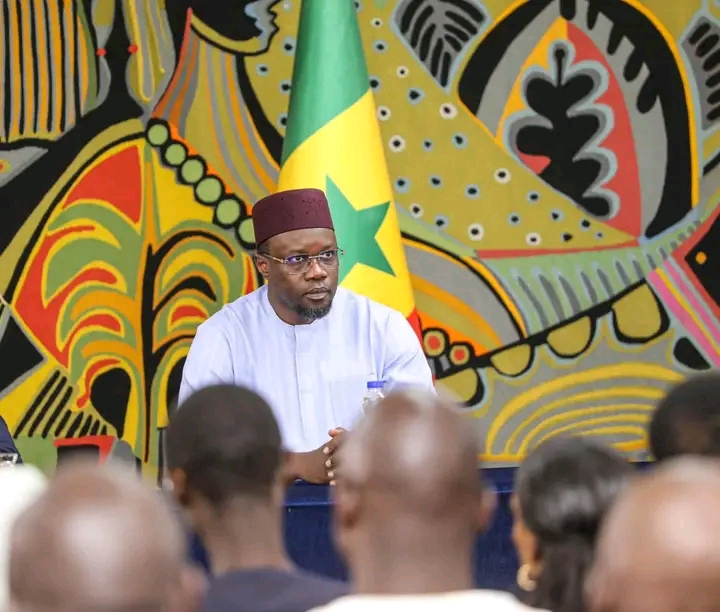
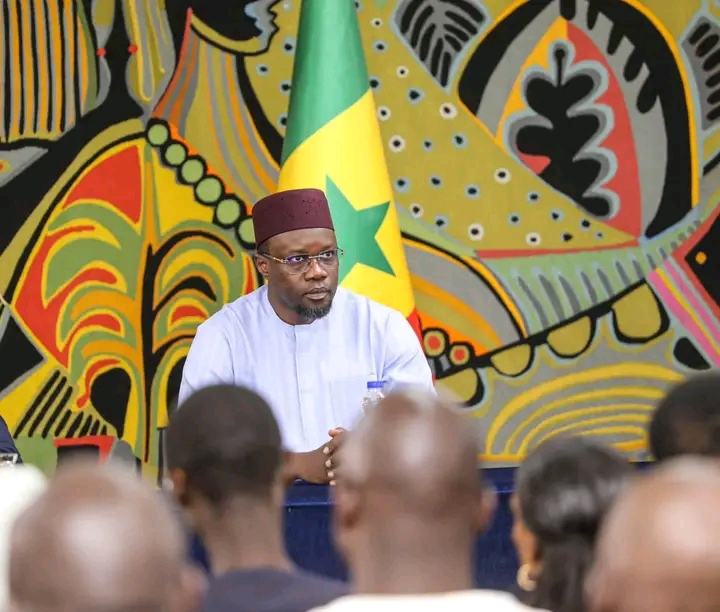
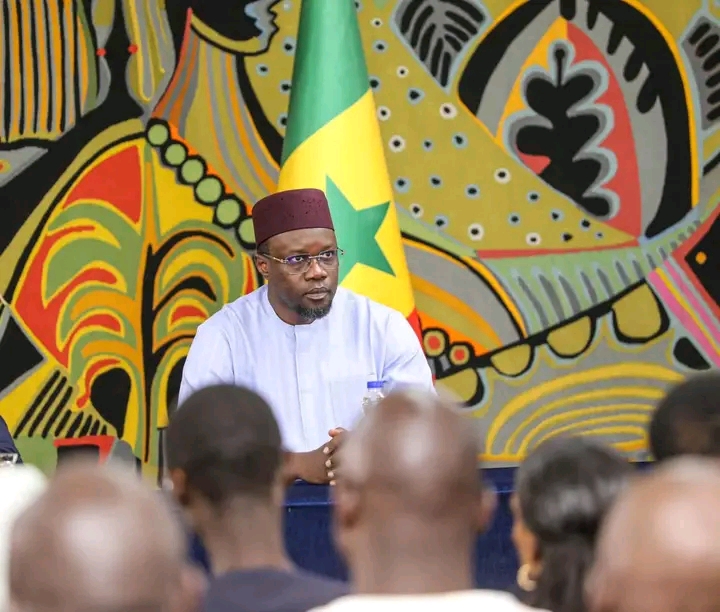
During a high-level interministerial meeting on May 21, Senegalese Prime Minister Ousmane Sonko delivered a scathing assessment of public infrastructure management, directly blaming the previous administration for systemic mismanagement and alleged corruption.
Audit reveals staggering waste in public projects
The Prime Minister’s remarks followed the presentation of a damning audit on state assets and infrastructure, which exposed severe inefficiencies across the country. According to the report, 245 key infrastructure projects and strategic assets remain either abandoned, incomplete, or underutilized, with an estimated total cost of over 5,000 billion FCFA—equivalent to Senegal’s annual national budget.
Sonko did not mince words, calling the situation pure waste. «Some may argue this figure pales in comparison to our national debt,» he stated, «but this is nothing short of reckless mismanagement.» The audit further revealed that out of 94 ongoing projects nationwide, 62 have effectively ground to a halt, consuming over 5,227 billion FCFA. The case of the Sandiara high school, initiated in 2014 and still unfinished, drew particular outrage. «Twelve years to build a school? This is absurd,» Sonko declared.
Justice system under scrutiny for protecting alleged corrupt officials
Beyond infrastructure failures, the Prime Minister reserved sharp criticism for Senegal’s judicial system, accusing it of shielding high-profile figures from the previous regime suspected of embezzling public funds. «At times, I question whether it’s worth continuing,» Sonko admitted. «In this country, you can do almost anything and walk away unscathed. The system remains untouched.»
He went further, alleging «judicial sabotage» involving certain magistrates in delaying or derailing accountability efforts. «These cases do not belong to judges—they belong to the people,» he emphasized, warning that stronger measures would be taken in the coming weeks to ensure justice is served.
The Prime Minister’s statements reflect growing public frustration over delayed accountability and persistent corruption, highlighting a deepening divide between government promises and tangible reforms.