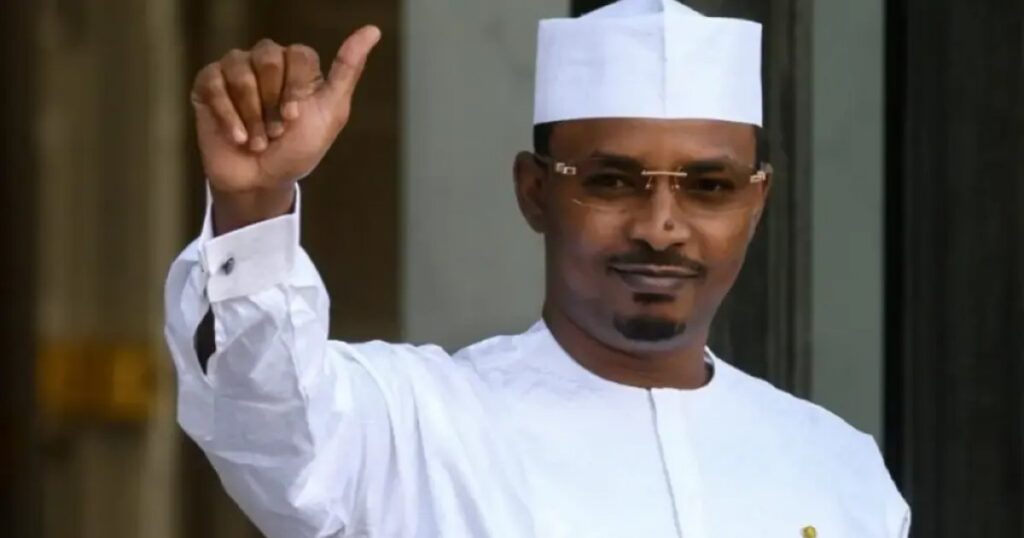
On the 66th anniversary of Chad’s independence, President Mahamat Idriss Déby Itno unveiled plans to exercise his presidential pardon powers. While details of the beneficiaries remain undisclosed, the announcement has sparked intense speculation about the fate of detained opposition figures, including former Prime Minister Succès Masra.
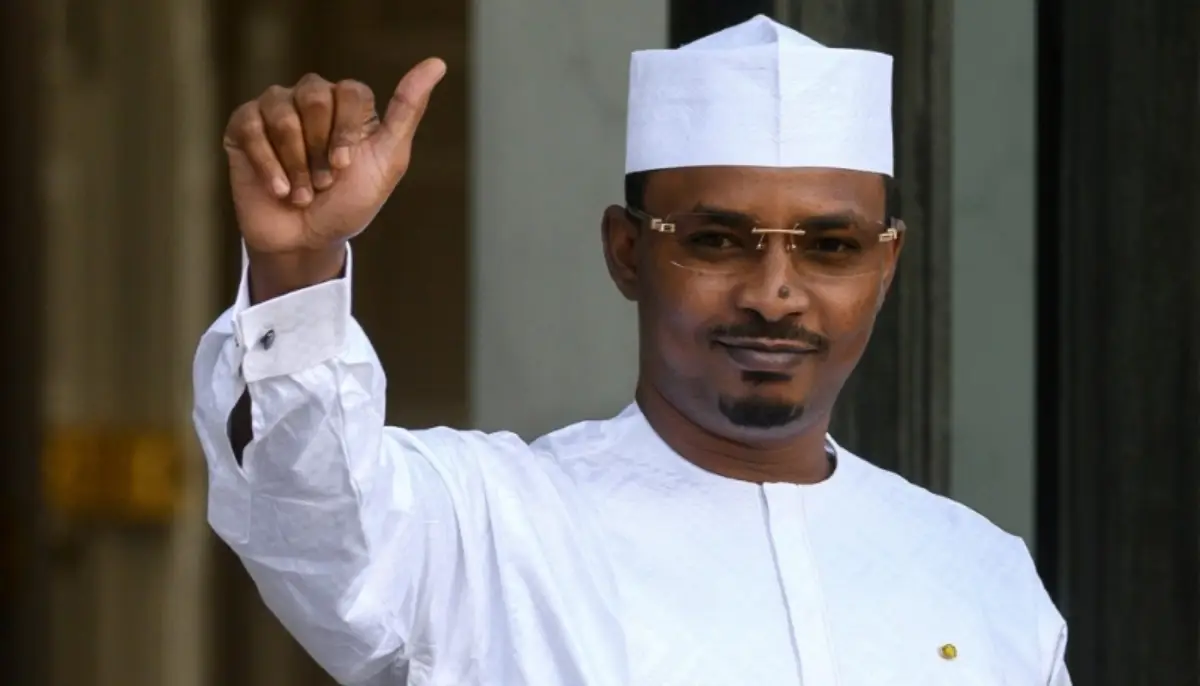
Key opposition figures in the spotlight
The president’s announcement, framed within a broader message of national unity and reconciliation, has yet to be translated into action. The actual impact will hinge entirely on the upcoming decree that will specify the identities of those granted clemency and the terms of their sentence reductions or early releases.
Among the most watched cases is that of Succès Masra, leader of the Transformers party and former Prime Minister. In August 2025, he was sentenced to 20 years in prison for his alleged role in intercommunal violence, including charges of hate speech and complicity in murder. His appeal was rejected by the Supreme Court on May 21, 2026, finalizing his conviction under Chadian law.
Grace vs. amnesty: what difference does it make?
The distinction between a presidential pardon and amnesty is critical. A pardon typically reduces or suspends a sentence without erasing the underlying conviction, while amnesty can nullify the legal consequences of an offense altogether. The Transformers party has long advocated for amnesty, arguing it would offer a more comprehensive political resolution for Masra’s case.
If included in the pardon list, Masra’s release could serve as a powerful confidence-building gesture. However, without official confirmation, uncertainty lingers over whether his name—or those of other opposition figures—will appear in the final decree.
Broader calls for political détente
Opposition coalition COSADT has intensified calls for the release of detained activists and the resumption of political dialogue with the government. The coalition argues that Chad’s political climate has deteriorated and urges measures to restore trust between authorities and opposition groups. These claims are met with differing perspectives from the government, which emphasizes institutional stability and adherence to judicial processes.
Chad’s July 27, 2026 decision to withdraw from the Rome Statute of the International Criminal Court adds another layer of complexity. While the withdrawal will only take effect a year after notification, opposition voices are pressing for this process to be reconsidered or abandoned entirely.
The upcoming decree will reveal whether the pardon announcement is a symbolic gesture tied to national celebrations or a deliberate step toward political reconciliation. Should it include prominent opposition leaders, it could mark one of the most consequential gestures of easing tensions since the end of Chad’s political transition.