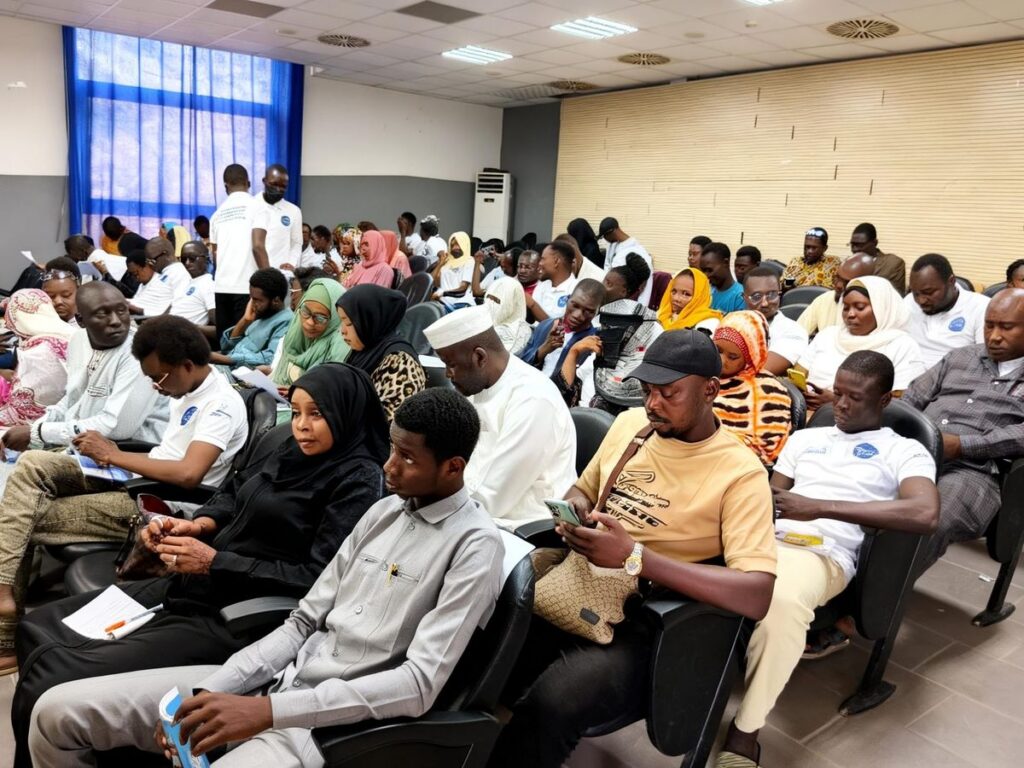
In an era where digital misinformation spreads faster than facts, Chad is taking proactive steps to empower its youth. On May 12, 2026, N’Djamena’s National Library became the stage for the launch of a groundbreaking digital literacy workshop, bringing together 100 young Chadians to tackle responsible internet use and combat fake news.
Building a safer digital future for Chad
The initiative, titled « Digital Citizenship for a Safer Chad », is a collaborative effort led by House of Africa in partnership with the European Partnership for Democracy. Its mission? To equip young people with the tools they need to navigate the digital world responsibly, transforming social media from a potential disruptor into a force for progress.
With national security and social cohesion at stake, the stakes couldn’t be higher. « A single misleading message can either build a nation or tear it apart, » warned the project coordinator during the opening ceremony, emphasizing the urgent need for digital awareness.
From passive users to digital guardians
Over the course of the workshop, participants—drawn from diverse backgrounds across Chad—will receive hands-on training in critical areas like AI literacy, cybersecurity, and fact-checking. The goal isn’t just to teach technical skills but to foster a deeper understanding of how digital content spreads and how to verify its authenticity.
The program’s core message is clear: these young participants aren’t just learning to use technology—they’re being trained to become ambassadors of responsible digital citizenship. As Youssouf Allafouza Mahamat, Secretary-General of House of Africa, put it, « We want a generation that doesn’t just consume digital content but actively protects their communities from its dangers. »
Why this initiative matters
The workshop aligns with Chad’s broader push to create an inclusive and secure digital ecosystem for its youth. By fostering critical thinking and media literacy, the project aims to:
- Reduce the impact of misinformation on public opinion and social stability.
- Promote ethical digital behavior among young users.
- Strengthen national resilience against cyber threats and disinformation campaigns.
With 100 young leaders now trained as digital stewards, Chad is taking a bold step toward a future where technology serves as a tool for progress—not division.