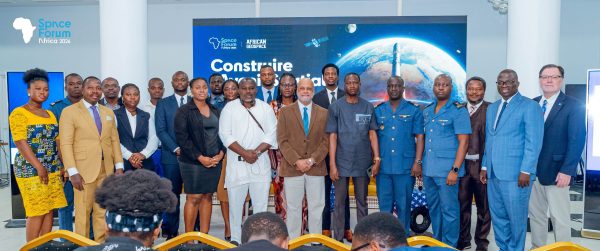
From July 28 to 30, Lomé became the epicenter of a groundbreaking shift in African development strategies. The Space Forum Africa 2026 brought together policymakers, researchers, investors, and innovators to explore how space technologies can move beyond mere observation to actively drive economic growth, climate resilience, and infrastructure development across the continent.
For decades, Africa’s space ambitions were framed in lofty terms: launching satellites, funding scientific programs, and training specialized talent. Yet at this year’s forum in Lomé, the conversation pivoted toward practicality. The focus shifted from whether Africa could reach space to how space could reach Africa’s most pressing needs.
From orbit to earth: turning satellite data into actionable solutions
The most compelling takeaway from the forum was this: space isn’t just a frontier for scientific discovery anymore—it’s a resource for solving real-world problems. Satellite data is now being leveraged to boost agricultural productivity, enhance climate monitoring, strengthen communication networks, and improve disaster preparedness. For African economies grappling with climate shocks, data scarcity, and forecasting limitations, these technologies offer a powerful tool for smarter decision-making.
This evolution also presents a unique opportunity for Africa’s burgeoning tech startups. As space-derived data becomes more accessible and usable across sectors, local innovators can develop high-value solutions tailored to the continent’s challenges, fostering a new wave of innovation-driven growth.
Jim Adams and the NASA legacy powering Africa’s space ambitions
The U.S. Embassy in Lomé played a pivotal role in shaping the forum’s agenda, inviting Jim Adams, a former NASA executive with over four decades of experience in space exploration, satellite technology, and innovation. His insights bridged theory and practice, highlighting how space capabilities are already transforming critical sectors like agriculture, climate resilience, communications, and disaster management.
Beyond technical applications, Adams raised a crucial economic question: Who will lead the development of tomorrow’s space technologies, and who will benefit from their value? The answer, he suggested, lies in fostering collaboration between African innovators and global partners to ensure the continent isn’t just a consumer of foreign-made solutions but a co-creator of the future.
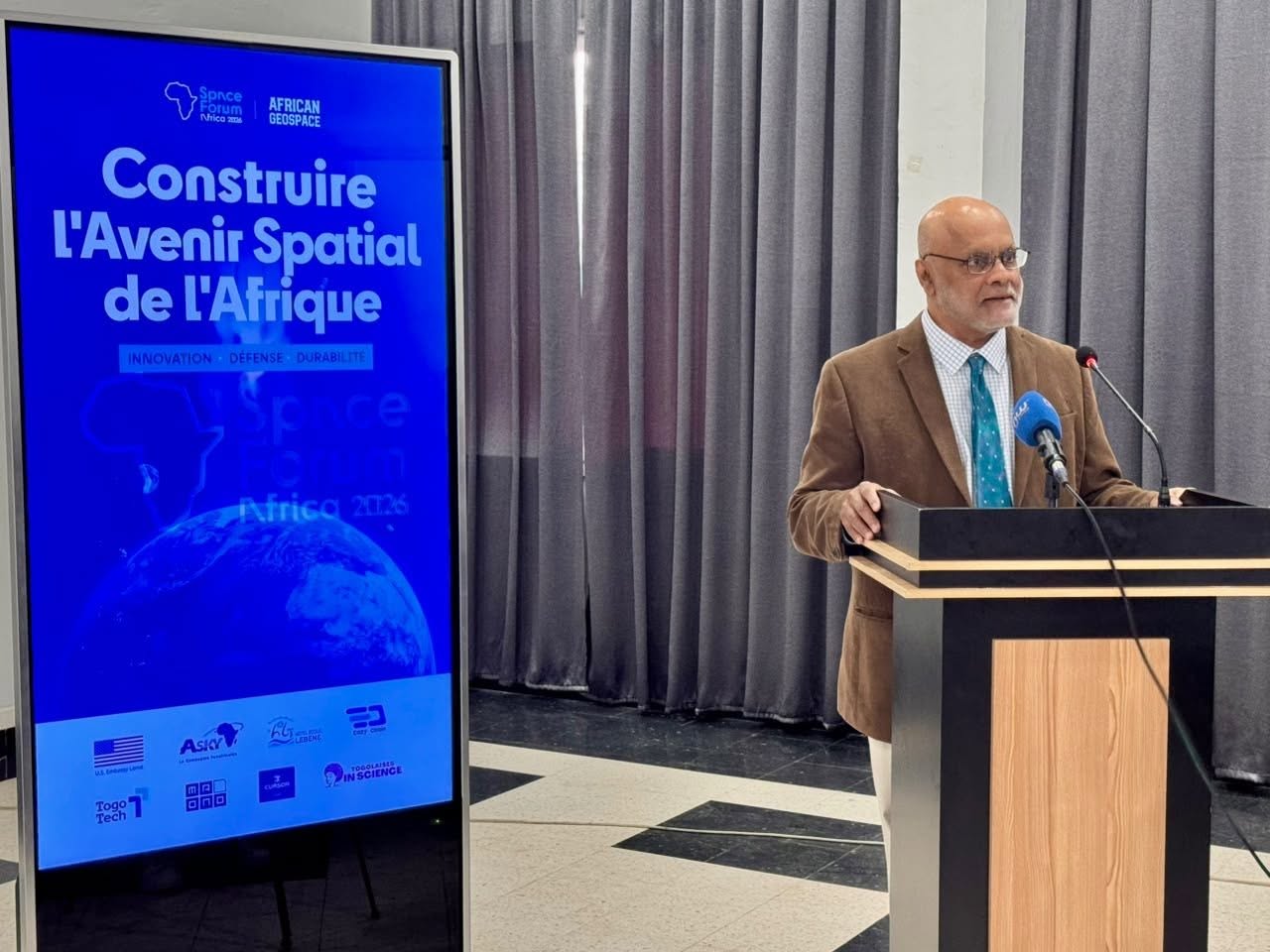
Building bridges: commercial diplomacy and Africa’s space economy
The future of Africa’s space economy won’t be defined by hardware alone—it will be shaped by the partnerships that connect local innovators with global expertise. The forum emphasized how commercial diplomacy can bridge the gap between African startups and American space technology firms, creating opportunities for knowledge exchange, investment, and market expansion.
This isn’t just about science for science’s sake. It’s about creating tangible economic value. For African entrepreneurs, the challenge is to move beyond being passive users of imported technology and instead become active contributors to the global space value chain. For international partners, the continent represents a hub of untapped potential—new talent, emerging needs, and fresh markets ready for exploration.
Space as an invisible infrastructure for resilience and growth
At its core, the forum redefined space technology as an invisible infrastructure—one whose benefits are measured not in launches or missions, but in real-world impact. A satellite can track agricultural trends to optimize food production. A climate observation can predict a drought months in advance. A communication satellite can connect remote communities. A disaster-monitoring system can save lives by enabling faster responses.
The Space Forum Africa 2026 made one thing clear: the next chapter of Africa’s development won’t be written in the stars. It will be written on the ground, where space-derived data and technology become the foundation of smarter, more resilient economies.
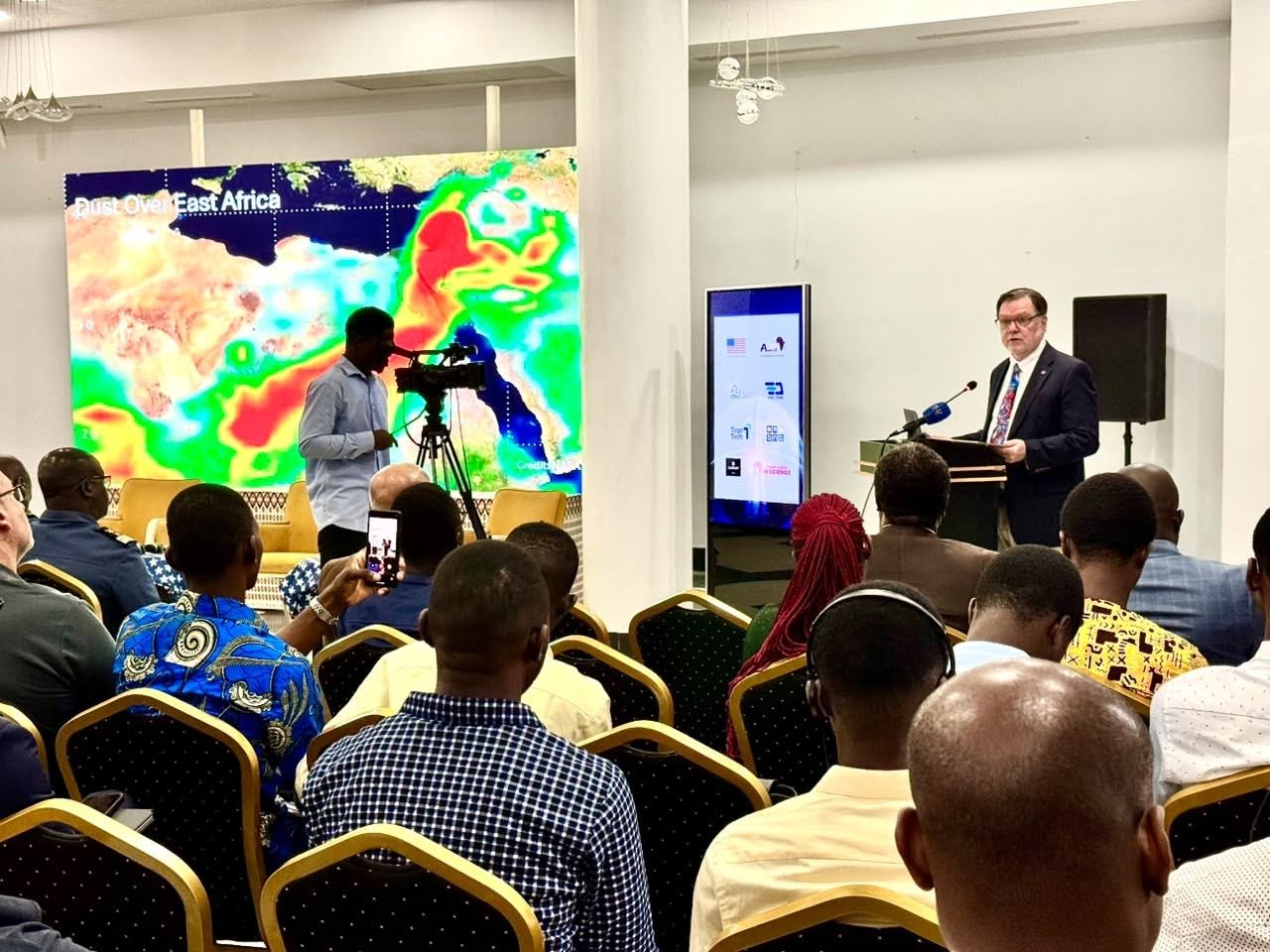
Washington and Lomé: strengthening peaceful space innovation
The U.S. Embassy’s support for the forum underscores a broader commitment to fostering peaceful, responsible space innovation. As the United States marks 250 years of scientific achievement, its engagement in Lomé signals a strategic partnership aimed at expanding Africa’s role in the global space economy.
The real breakthrough, however, lies not in launching rockets but in transforming data into solutions, research into businesses, and cooperation into markets. In Lomé, space was not just observed—it was presented as a new frontier for development, where Africa’s innovators and global partners can collaborate to build a more connected, resilient, and prosperous future.