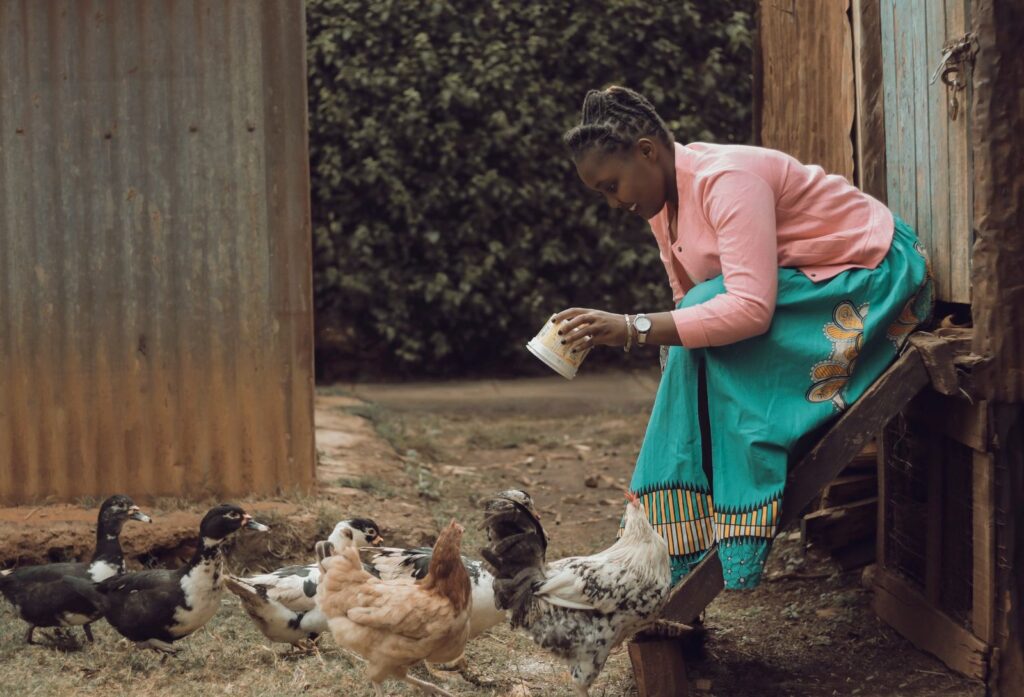
The Guinean conglomerate SONOCO is set to transform the Gabonese poultry sector. During a recent audience with President Brice Clotaire Oligui Nguema, the pan-African group outlined a major investment strategy designed to revitalize an industry that currently relies heavily on imports. The company aims to achieve an annual production capacity exceeding 15 million chickens, a scale previously unseen within the nation.
This initiative aligns with the economic diversification goals set by the transitional government, which seeks to lower food costs and stimulate rural employment. Gabon currently imports the vast majority of its poultry consumption, a reliance that officials identify as a significant barrier to achieving true food sovereignty.
An integrated value chain from start to finish
SONOCO proposes an integrated model that encompasses every stage of production: poultry farming, animal feed manufacturing, slaughtering, processing, and distribution. By adopting this vertical structure, the group intends to control operational costs, ensure steady supply chains, and provide the local market with high-quality protein at prices competitive with frozen imports from Brazil, the United States, and Europe.
The investment plan includes the development of modern farming facilities, a feed mill to produce local animal nutrition, and processing plants that adhere to international health standards. For a country where the poultry industry is still in its infancy, this industrial leap could permanently reshape the local agribusiness landscape.
Leveraging its extensive experience in West Africa, the Guinean group views the Gabonese market as a strategic expansion. The authorities have emphasized the pan-African nature of this partnership, highlighting it as a tangible example of South-South cooperation between Conakry and Libreville.
Food sovereignty and import substitution
For Libreville, the stakes extend beyond poultry. Gabon’s trade balance is heavily impacted by food imports, despite the country possessing fertile land and a favorable climate for agriculture. Reducing this dependency has been a primary objective for President Oligui Nguema since he took office.
The entry of a major investor in the poultry sector directly supports this vision. By producing millions of chickens locally, SONOCO would help reduce the outflow of foreign currency currently spent on frozen meat. The project is also expected to generate significant direct and indirect jobs, particularly in rural areas, offering new opportunities for the youth.
However, realizing this goal will require overcoming structural challenges such as land access, the availability of raw materials for feed, regulatory stability, and distribution logistics. The group’s ability to navigate these factors will be critical to the project’s success.
A message to regional investors
Beyond the specific investment by SONOCO, this development signals Libreville’s intent to attract African capital into productive sectors. By engaging with a Guinean conglomerate at the highest level, the government is signaling a shift toward deeper continental integration.
While the specific investment figures and deployment timeline remain to be finalized, the next phases will likely involve establishing framework agreements and securing project sites. For the Gabonese authorities, successfully transitioning this announcement into an operational industrial reality will be a key indicator of progress.