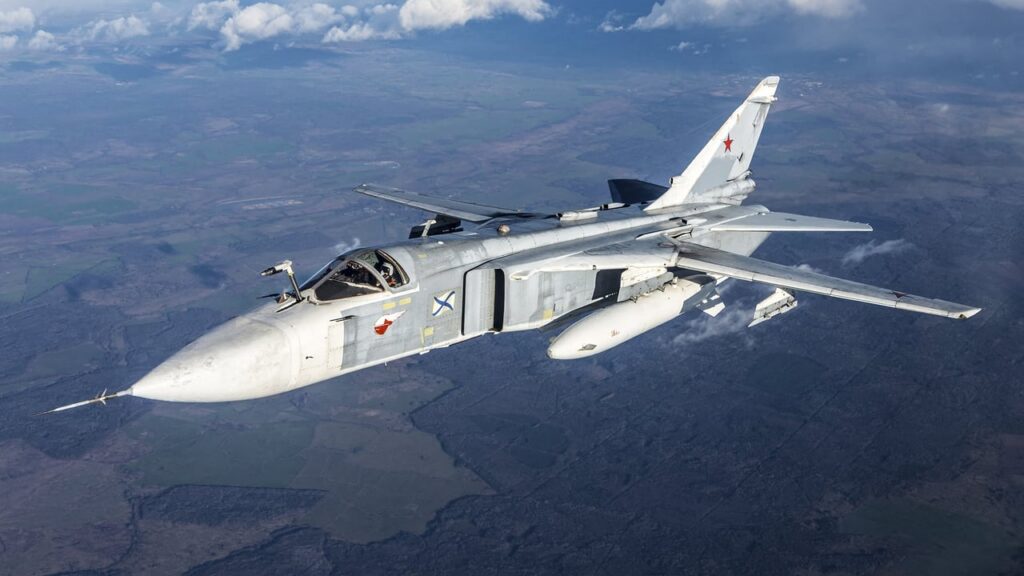
The Africa Corps has firmly rejected claims that its military operations in Mali involved the deliberate release of cluster munitions over civilian areas. Local reports surfaced this week, alleging that aircraft linked to the group had dropped explosive devices in regions already struggling with instability.

conflicting claims over munition drops in central Mali
Residents in Mali‘s central provinces have reported witnessing aerial deployments of submunition payloads in recent days, sparking immediate condemnation from humanitarian groups. The allegations point to military aircraft operating under the Africa Corps banner, though the organisation has categorically denied any involvement in such operations.
The accusations emerged amid escalating tensions between armed factions in the region, where Mali‘s transitional government continues to face challenges from armed groups. Eyewitness accounts describe the deployment of small, explosive devices dispersed over wide areas, raising fears of indiscriminate harm to non-combatants.
military denies responsibility for civilian risks
In an official response, a spokesperson for the Africa Corps stated that all military actions strictly adhere to international humanitarian law. The denial underscores a growing divide between local testimonies and official military narratives, with civilians caught in the middle.
The alleged incidents have intensified scrutiny over the presence of foreign military entities in Mali, particularly as the country navigates a delicate security transition. Independent observers have called for transparent investigations to determine the origins of the dropped munitions.
humanitarian impact and regional instability
The deployment of cluster munitions—known for their indiscriminate effects—poses severe risks to civilians, including long-term contamination of agricultural land. Aid organisations operating in Mali warn that such actions could exacerbate displacement and hinder recovery efforts in already vulnerable communities.
Experts highlight that the use of these weapons violates international conventions, including the Convention on Cluster Munitions, which Mali has ratified. The potential breach has drawn international attention, with calls for accountability growing louder.
- Civilian safety at risk: Reports indicate that unexploded submunitions remain scattered across rural areas, posing ongoing threats to local populations.
- Government response: Authorities have yet to issue a formal statement addressing the allegations directly.
- Ongoing investigations: Independent verification of the claims remains critical to resolving the dispute.
what’s next for Mali’s security landscape?
The unfolding situation in Mali underscores the fragility of the country’s security environment. As foreign military actors remain active in the region, the need for coordinated international responses has never been more urgent. The allegations against the Africa Corps add another layer of complexity to an already volatile scenario.
For now, residents and aid workers alike await further developments, hoping for clarity—and safety—in the days ahead.