High-level discussions in Ouagadougou have set the stage for deeper collaboration between Burkina Faso and Serbia, with both nations emphasizing shared opportunities in defense, security, and human capital development.
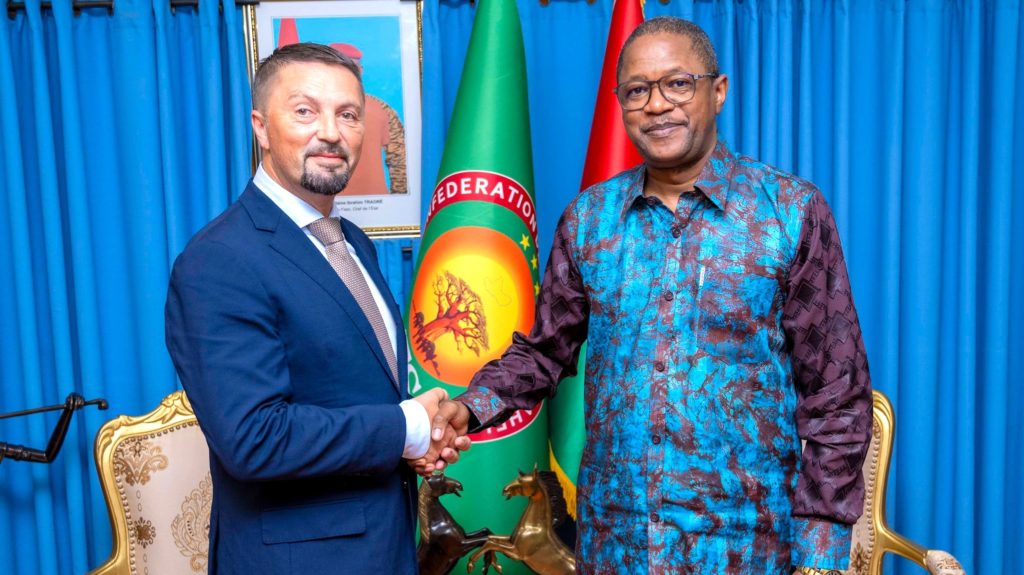
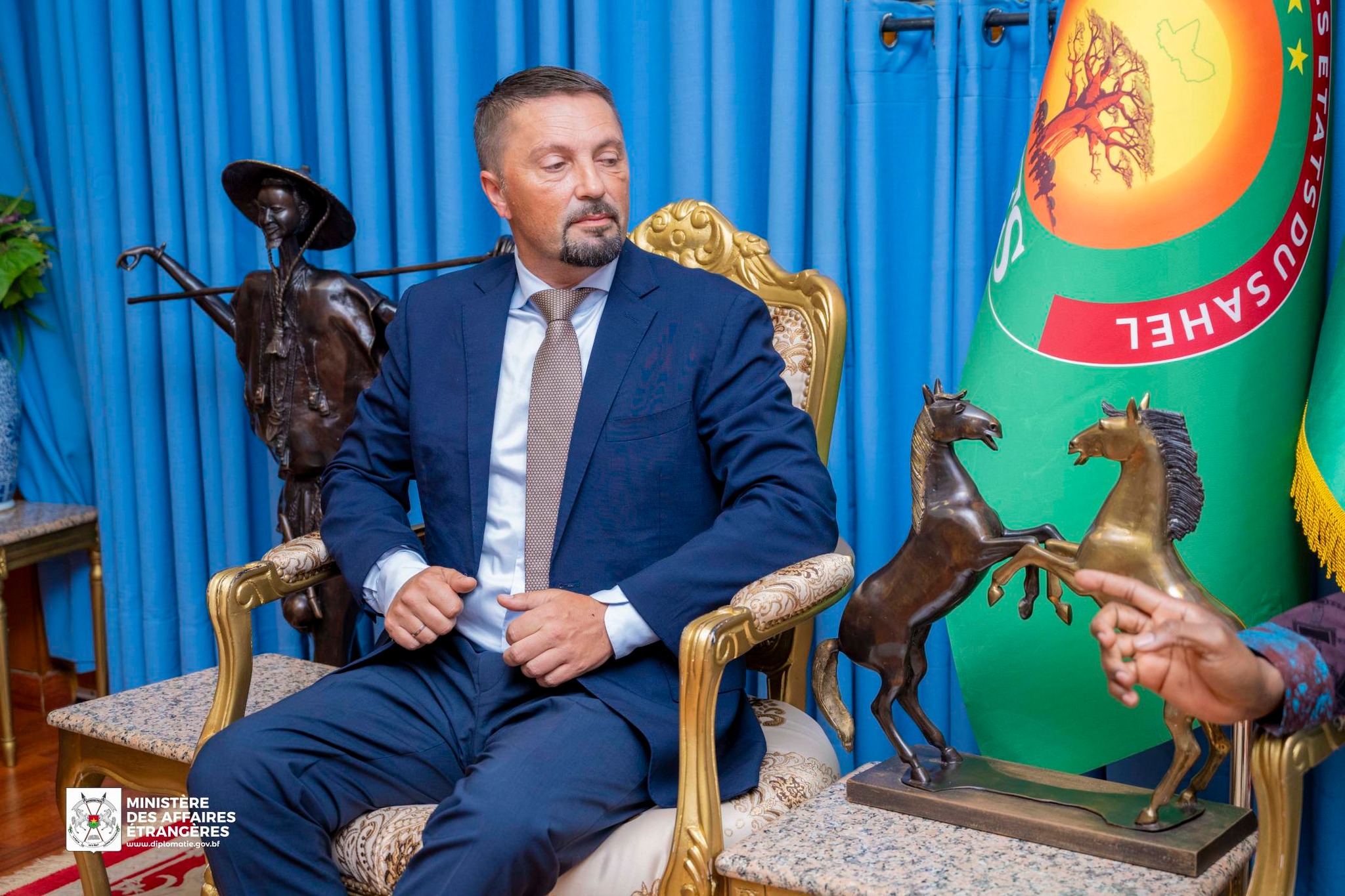
On June 3, 2026, the Burkinabè Minister of Foreign Affairs, Regional Cooperation, and Burkinabè Abroad, Karamoko Jean Marie Traoré, along with his delegate Bêbgnasgnan Stella Eldine Kabré/Kaboré, welcomed a Serbian parliamentary delegation led by Slavenko Ristic to the capital. The visit, part of a strategic outreach by Belgrade, focused on identifying concrete avenues for partnership amid evolving global dynamics.
Slavenko Ristic, who also heads Tehnicki Remont Bratunac—a defense technology firm—praised Burkina Faso’s recent policy direction and leadership under President Ibrahim Traoré. His remarks underscored Serbia’s eagerness to engage more deeply with Africa, positioning the continent as a pivotal player in future global partnerships.
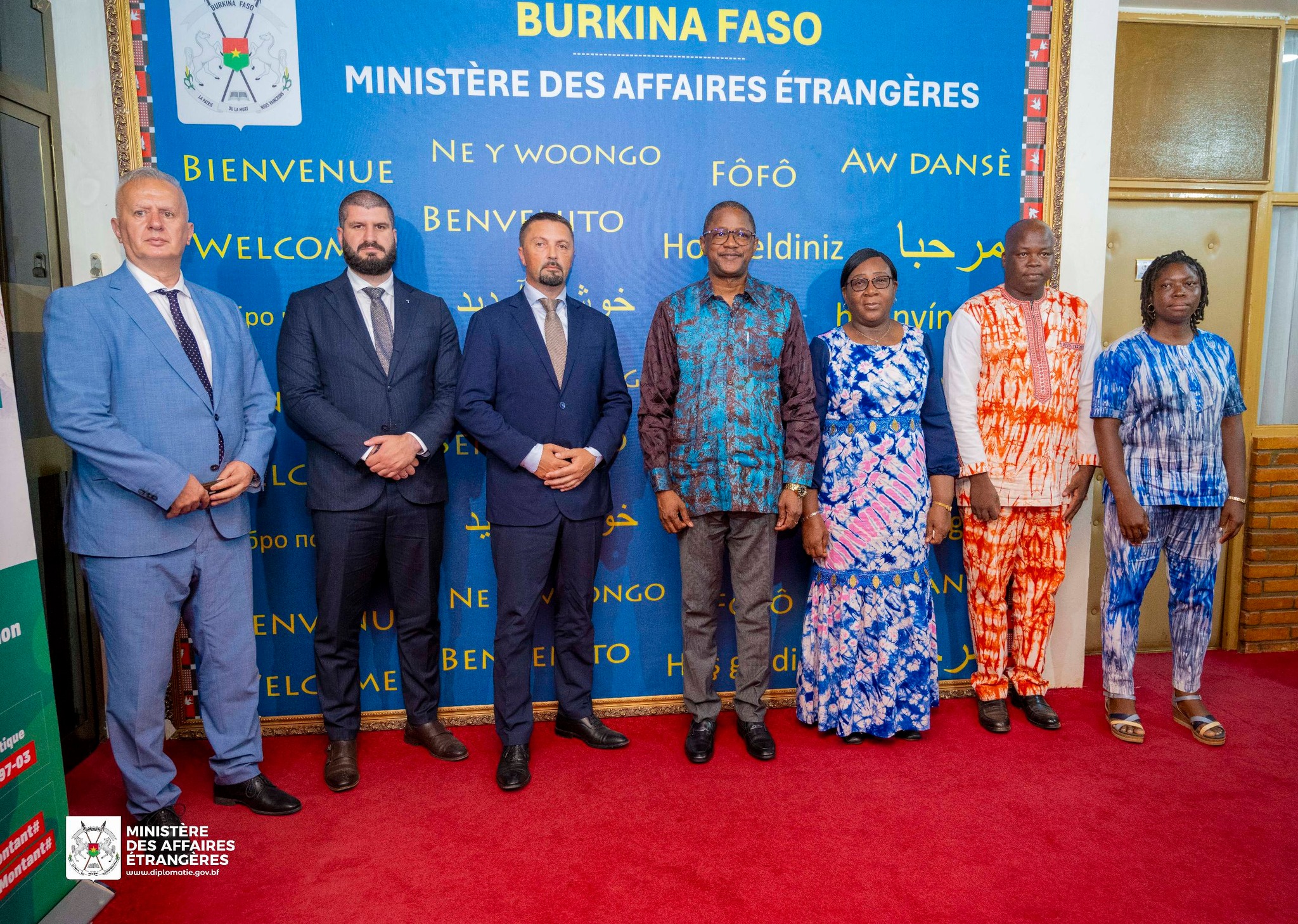
« Burkina Faso’s trajectory commands global attention and respect, particularly in our region,» stated Ristic, highlighting the need for stronger Euro-African dialogue. He reaffirmed Serbia’s commitment to fostering balanced cooperation, insisting that Africa’s strategic importance cannot be overlooked.
Minister Traoré highlighted the two countries’ untapped potential, noting that Burkina Faso remains committed to diversifying its international alliances, especially with Eastern European partners. « We seek partners who share our vision of equitable, mutually beneficial collaboration,» he remarked, adding that Ouagadougou is actively promoting African perspectives in European policy circles.
Ristic responded by pledging to advocate for Burkina Faso’s interests in European forums, aiming to bridge gaps in Euro-African relations. The meeting signals a fresh chapter in bilateral relations, as Burkina Faso continues to expand its strategic partnerships beyond traditional allies.
As both sides explore collaboration in defense technology, security training, and institutional exchanges, the encounter reflects a broader trend: Burkina Faso’s proactive approach to reshaping its foreign policy landscape while Serbia seeks new footholds in Africa’s expanding markets.