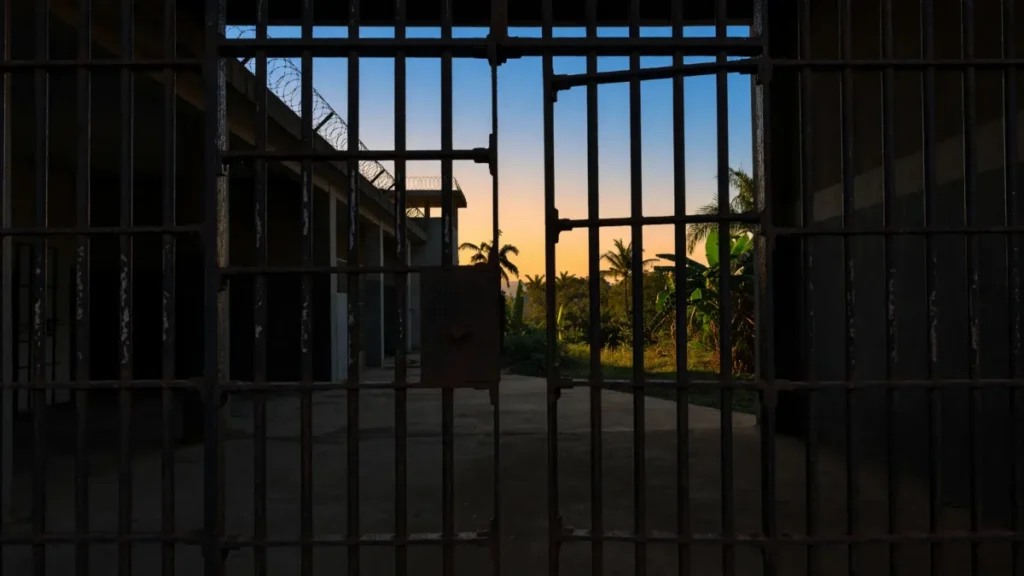
Six key figures from the Parti démocratique de Côte d’Ivoire (PDCI-RDA) walked out of detention on Monday, July 20, 2026. The Abidjan anti-terrorism court ordered their release after nine months behind bars, confirmed their defense attorney, Me Ange Rodrigue Dadjé. The released militants—Allo Pacôme Didier, Kouleon Manhenin, N’Cho Gnangoran, Mabo Koffi Jean-Marc, Ouattara Kinjinlman, and Niangoran N’Guessan Édouard—were arrested between late September and early October 2025 during the heated presidential campaign period.
Crackdown during a high-stakes election
The arrests unfolded as Côte d’Ivoire braced for its 2025 presidential vote, a contest that deepened divisions between the ruling party and opposition factions. Prosecutors alleged the six PDCI members conspired against the state and plotted insurrection. The party immediately slammed the detentions as unlawful, citing irregular arrest procedures. Authorities, however, insisted the case followed standard legal protocols and denied any political targeting.
The specialized anti-terrorism court, established in 2016, spent nearly ten months reviewing the evidence before ordering the release. The decision arrives amid growing scrutiny over judicial fairness in politically sensitive cases.
Broader wave of opposition releases
This release fits into a wider pattern of recent discharges involving opposition figures. Within weeks, other prominent activists—including Moïse Lida Kouassi and Ibrahim Zigui—were also freed. The string of releases has fueled speculation about a potential thaw in Côte d’Ivoire’s political climate following a divisive electoral period.
Yet, the government has remained tight-lipped on any gesture of political reconciliation. Officials continue to frame the proceedings as strictly judicial, not ideological. Observers, however, suggest the move may signal a shift in how opposition members are treated, especially as international watchdogs keep close tabs on political freedoms in the country.
Political climate and regional context
Côte d’Ivoire, the region’s largest economy within the West African Monetary and Economic Union (UEMOA), has faced persistent political unrest since the 2010–2011 post-election crisis. Repeated flare-ups during national votes—most recently the 2020 presidential contest, marked by deadly violence and opposition arrests—highlight the fragility of democratic space.
The PDCI-RDA, once the dominant force in Ivorian politics under the late Félix Houphouët-Boigny, now stands as a leading opposition bloc challenging President Alassane Ouattara, re-elected in 2020 amid disputed third-term claims. Questions about democratic rotation and political inclusion dominate national debates as the country gears up for upcoming local and legislative elections.
The timing of these releases coincides with heightened political tensions across West Africa. While Algeria grapples with extreme heatwaves, Canada battles nearly a thousand wildfires. Meanwhile, Spain seeks to revive its diplomatic partnership with Algeria, underscoring a shifting geopolitical landscape.
Legal aftermath and future steps
Me Dadjé welcomed the court’s decision but did not specify whether his clients received a dismissal, dropped charges, or a provisional release pending trial. Local press outlets confirmed the ruling without detailing next steps in the judicial process.
The PDCI has yet to issue an official statement. The six released officials, some serving as regional coordinators, are expected to resume party activities in the coming days. Whether this ruling marks the beginning of broader concessions or remains an isolated case will shape perceptions of justice and governance in Côte d’Ivoire.