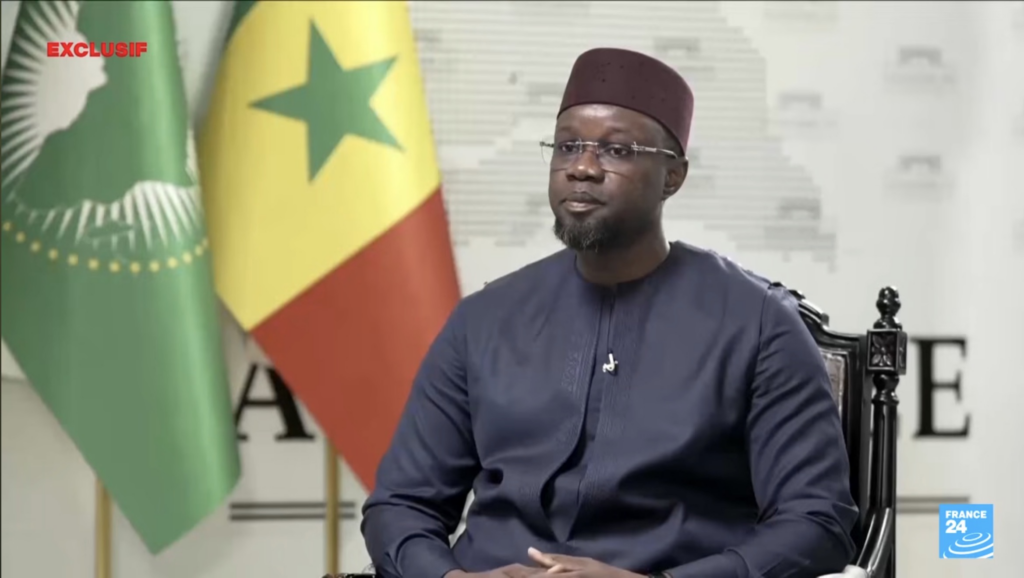
The Speaker of Senegal’s National Assembly, Ousmane Sonko, has reignited discussions surrounding the country’s public debt, questioning whether a portion of liabilities inherited from the previous administration could qualify as ‘odious debt.’
In a recent public appearance, the PASTEF leader emphasized the transparency of the new administration’s fiscal policies, arguing that a clear presentation of financial realities was essential for restoring public trust and securing international partnerships. ‘We chose to start from a sound foundation,’ Sonko stated, warning that concealing budgetary challenges could further destabilize the national economy.
While acknowledging that a sovereign state must honor its financial commitments, Sonko highlighted the need for a thorough reassessment of debts accumulated under questionable circumstances. He called for an international dialogue on how to define and address so-called ‘odious debts’—a legal concept in international law that typically applies to obligations incurred without benefit to the population or under contested conditions. However, its practical application remains widely debated among legal and economic experts.
During his tenure as Prime Minister, Sonko noted the limitations in his ability to fully explore this issue due to institutional constraints. He did, however, affirm his alignment with President Bassirou Diomaye Faye on the importance of responsible public finance management.
The political figure also rejected any abrupt debt restructuring, stressing the importance of maintaining Senegal’s financial credibility—particularly with institutions like the International Monetary Fund (IMF). He argued that resolving the debt crisis requires a balanced approach, combining fiscal discipline, economic sovereignty, and structural reforms to foster long-term development.
With global economic uncertainties and geopolitical tensions weighing heavily, the sustainability of Senegal’s public debt remains a pressing economic challenge for the nation.