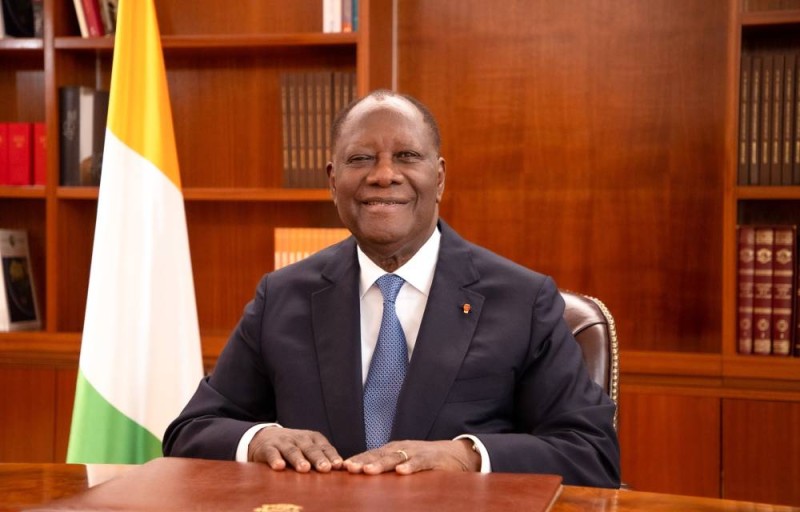
The Ivory Coast marks a significant milestone on August 7, 2026, celebrating 66 years of independence. As the nation reflects on its journey, all eyes turn to President Alassane Ouattara’s anticipated address to the nation, which carries immense political weight.
The timing of this speech is particularly crucial, as it follows a period marked by economic, social, and security challenges. While international partners continue to commend the country’s macroeconomic performance, Ivoirian citizens are demanding tangible improvements in their daily lives. The rising cost of living, particularly the surging prices of essential goods, housing, and services, remains a pressing concern for households nationwide.
Addressing the cost of living crisis
One of the most urgent expectations is the need for measures to stabilize the cost of living. Families are struggling to cope with inflation, and the government is under pressure to implement policies that enhance purchasing power, such as subsidies or price controls on staple goods. The upcoming speech is expected to outline concrete steps to mitigate these economic pressures.
Youth employment: a national priority
The youth unemployment crisis remains a critical issue, with thousands of graduates entering the job market each year. President Ouattara’s address is likely to emphasize job creation, vocational training, and support for entrepreneurship as key solutions. The private sector’s role in absorbing this workforce will be a focal point of the discussions.
Agriculture: the backbone of the economy
The agricultural sector, which drives the national economy, faces persistent challenges. Farmers producing cocoa, coffee, cashew nuts, and rubber are calling for policies that strengthen their revenue, improve access to financing, and provide better protection against volatile international markets. The president’s speech may include commitments to support these vital industries.
Infrastructure and regional disparities
Infrastructure development remains a cornerstone of national progress. Citizens are eagerly awaiting further investments in road networks, access to clean water, electricity, and essential services like healthcare and education—especially in rural and underserved regions. Reducing regional disparities is essential for inclusive growth.
Health and education: foundations for development
The healthcare system and universal health coverage (CMU) are expected to feature prominently in the president’s remarks. Improving healthcare accessibility and quality, along with reforms in education and vocational training, are critical for the country’s long-term prosperity. These sectors are vital for nurturing a skilled workforce and ensuring a healthy population.
Security and stability in a challenging regional context
In an era of heightened regional instability, the president’s address is likely to underscore the importance of national security, counter-terrorism efforts, and social cohesion. Strengthening peace and stability is not only a domestic priority but also a necessity for attracting foreign investment and fostering economic growth.
Governance and digital transformation
Good governance, transparency, and the fight against corruption are fundamental to the country’s progress. Additionally, the modernization of public administration and the acceleration of digital transformation are expected to be highlighted as key drivers of efficiency and economic advancement.
Investment and industrialization
The business community is looking for signals that the government will prioritize policies conducive to investment, industrialization, and job creation. These measures are essential for transforming economic growth into tangible benefits for all citizens.
National unity and political dialogue
As the nation celebrates its independence, calls for political reconciliation, dialogue, and national unity are growing louder. The president’s speech is anticipated to convey a message of cohesion, urging all segments of society to unite in pursuit of shared progress and democratic resilience.
At 66, Côte d’Ivoire stands at a crossroads. Its economic ambitions are clear, but the path to prosperity hinges on translating growth into meaningful social progress. All eyes will be on President Ouattara’s address, as it may well shape the nation’s trajectory for years to come.