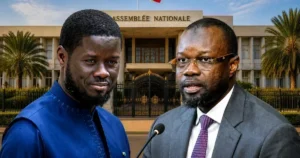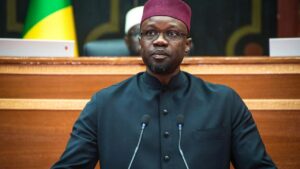
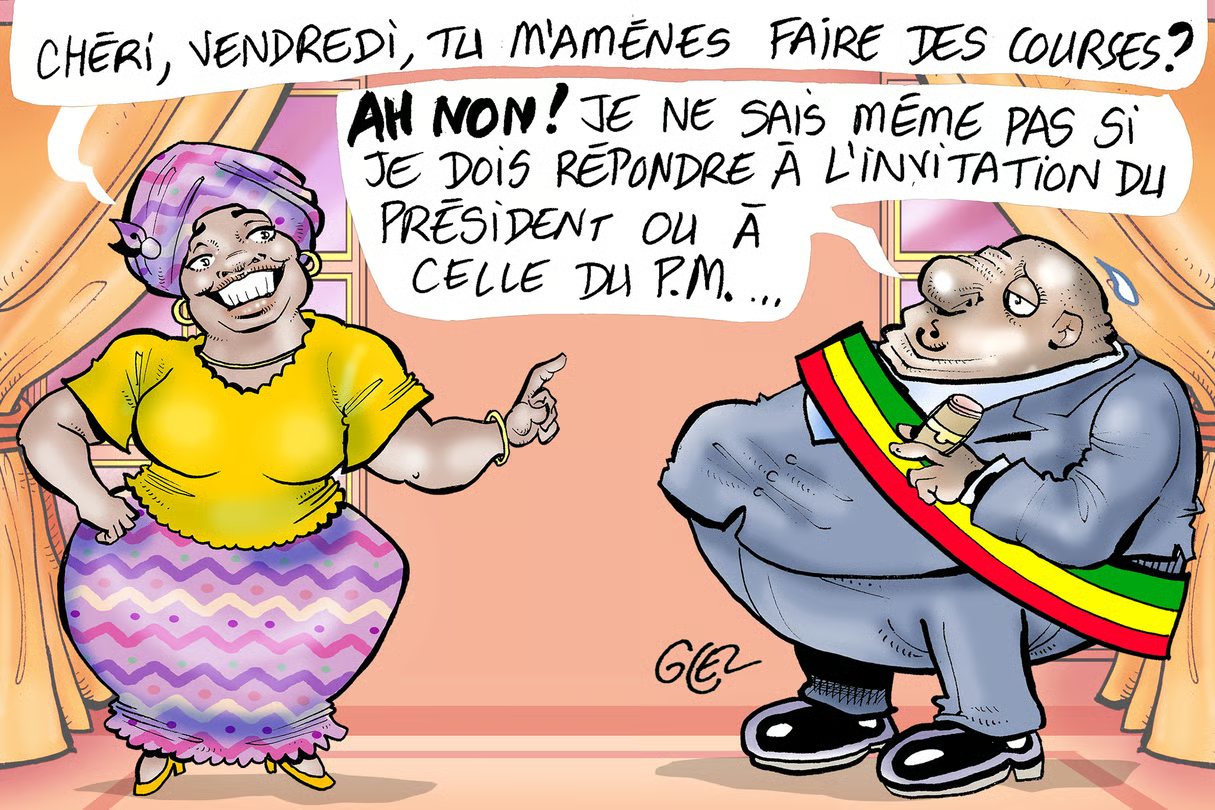
Senegal stands at a pivotal moment as two prominent figures, Bassirou Diomaye Faye and Ousmane Sonko, find themselves locked in a high-stakes battle over the future of national dialogue. The tension between these leaders highlights deeper divisions in the country’s political landscape, where consensus remains elusive despite mounting calls for unity.
Their disagreement centers on the scope and direction of upcoming consultations, with each advocating for a different vision of Senegal’s path forward. While one camp emphasizes broad-based discussions to heal societal fractures, the other insists on a more targeted approach, prioritizing specific reforms and accountability measures.
Key issues dividing the camps
The debate has crystallized around several core themes:
- National reconciliation versus targeted reforms: One side argues for inclusive talks to mend divisions, while the other pushes for immediate action on governance and legal accountability.
- Legitimacy of representation: Questions arise over who truly speaks for the people, with accusations flying about exclusionary practices in consultation processes.
- Timing and urgency: Some believe delays will only deepen crises, while others warn that rushing negotiations could lead to flawed outcomes.
Public sentiment and political fallout
The impasse has sparked widespread speculation about its impact on Senegal’s stability. Citizens and analysts alike are divided—some see this as a natural part of democratic evolution, while others fear it could erode trust in institutions and fuel unrest. The outcome of these discussions may well shape the country’s trajectory for years to come.
As the dialogue stalls, the pressure mounts on both leaders to find common ground. The coming weeks will be critical in determining whether Senegal can bridge its divides or succumb to further polarization.