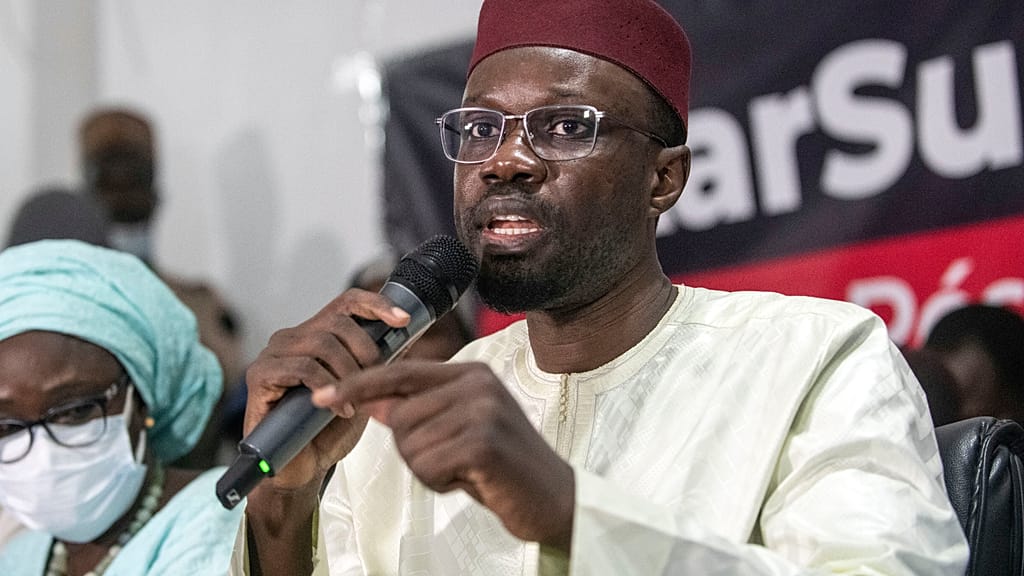
The Senegalese Prime Minister, Ousmane Sonko, has sharply criticized what he describes as Western “tyranny” in its attempt to impose LGBTQ+ rights on Africa, emphasizing that Dakar will not yield to external pressure regarding the enforcement of a recently enacted anti-homosexuality law.
Controversial measures under scrutiny
Senegal, a predominantly Muslim nation, has long viewed LGBTQ+ advocacy as an imposition of foreign values. The government’s stance gained renewed attention after President Bassirou Diomaye Faye signed legislation in late March that doubled the maximum prison sentence for same-sex relations, escalating penalties from one to five years to five to ten years. Additional provisions now criminalize the promotion or financing of such relationships, with sentences ranging from three to seven years.
Since the law took effect, multiple arrests have already been recorded, underscoring the government’s commitment to its enforcement. Sonko, addressing lawmakers, framed the international backlash as a form of ideological coercion. “There are eight billion people on Earth, yet a small Western bloc—driven by control over resources and media—seeks to dictate this lifestyle to the rest of humanity,” he declared.
Rejection of outside interference
Sonko dismissed criticism from Western nations, particularly France, where calls for a moratorium on the law have been mounting. “If they choose these practices, that is their affair,” he asserted. “We need no lessons from them—none whatsoever.” He further claimed that no African, Asian, or Arab country has publicly condemned Senegal’s stance, framing the dispute as a unidirectional imposition rather than a global consensus.
The Prime Minister emphasized the judiciary’s duty to apply the law “fully and without compromise.” He also rejected appeals for leniency, including an open letter published in a French newspaper by over 30 African figures urging reconsideration. Sonko, who previously pledged to recategorize same-sex relations from a minor offense to a felony during his 2024 campaign, remains steadfast in his position.
Broader implications for LGBTQ+ rights in Senegal
The enforcement of this law reflects a broader societal and political resistance to LGBTQ+ rights in Senegal, where public sentiment largely aligns with conservative religious values. While international human rights organizations have expressed concern, the government’s resolve appears unshaken, prioritizing national sovereignty over external human rights critiques.