In recent debates across Senegal, a country where Islamic traditions shape everyday life, the topic of LGBTQ+ rights has become a focal point of national discourse. Critics argue that efforts to promote inclusion of sexual minorities are often framed as attempts by foreign powers to impose cultural values that contradict local norms. This perspective has gained significant traction, particularly among political leaders who view such initiatives as a form of modern colonialism.
Ousmane Sonko’s strong stance against foreign influence
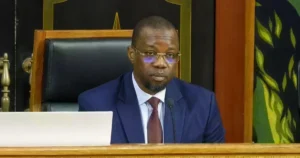
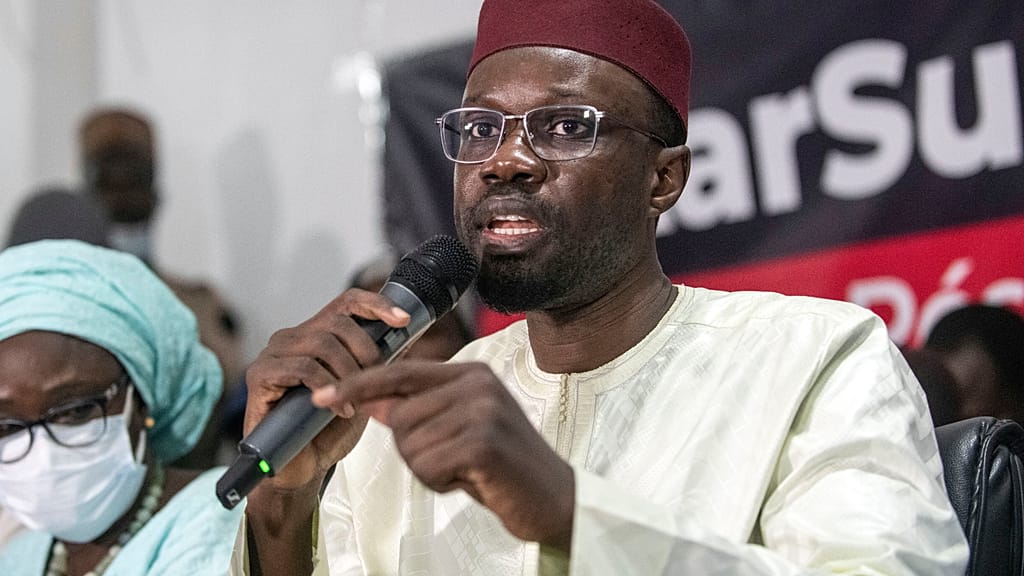
Prominent opposition figure Ousmane Sonko has emerged as a vocal opponent of what he describes as Western-backed pressure to normalize LGBTQ+ identities in Senegal. Speaking at a recent public forum, he condemned the alleged manipulation of human rights discourse to serve geopolitical agendas, stating that such interventions undermine the country’s sovereignty and moral foundations. His remarks reflect broader concerns about foreign interference in domestic policy matters, especially when they involve sensitive social issues.
The opposition leader’s critique comes amid growing tensions between African nations and Western institutions over governance, human rights standards, and cultural sovereignty. Many in Senegal share the view that discussions on LGBTQ+ rights are being exploited to advance agendas that do not align with the country’s religious and societal values. This sentiment has been echoed across political and religious circles, reinforcing a unified front against perceived external impositions.
LGBTQ+ rights in Senegal: a complex legal and social landscape
The legal framework in Senegal remains stringent regarding LGBTQ+ matters. Homosexuality is criminalized under the penal code, with penalties including imprisonment. This legal stance is widely supported by the population, where conservative religious beliefs dominate public opinion. Despite international calls for reform, the government has consistently maintained that such changes would not reflect the will of the Senegalese people.
Social attitudes further complicate the situation, as public acceptance of LGBTQ+ identities remains extremely low. Most citizens view homosexuality as incompatible with Islamic teachings, which form the bedrock of cultural identity. As a result, advocacy for LGBTQ+ rights is often met with hostility, and activists working in this space operate under significant risk of persecution or legal repercussions.
Global debates and regional implications
The controversy surrounding LGBTQ+ rights in Senegal is not isolated but part of a larger global conversation. African nations have increasingly pushed back against what they perceive as Western moral imperialism, framing the issue as a matter of cultural preservation. Leaders across the continent have raised similar concerns, arguing that human rights standards should be adapted to reflect local values rather than imposed unilaterally.
In Senegal, this debate has intensified as political leaders and religious authorities collaborate to strengthen national cohesion against external influences. The government has reiterated its commitment to preserving traditional values while engaging in diplomatic efforts to resist pressure from international organizations advocating for LGBTQ+ rights. This approach underscores a broader trend in African diplomacy, where sovereignty and cultural identity take precedence over global human rights narratives.