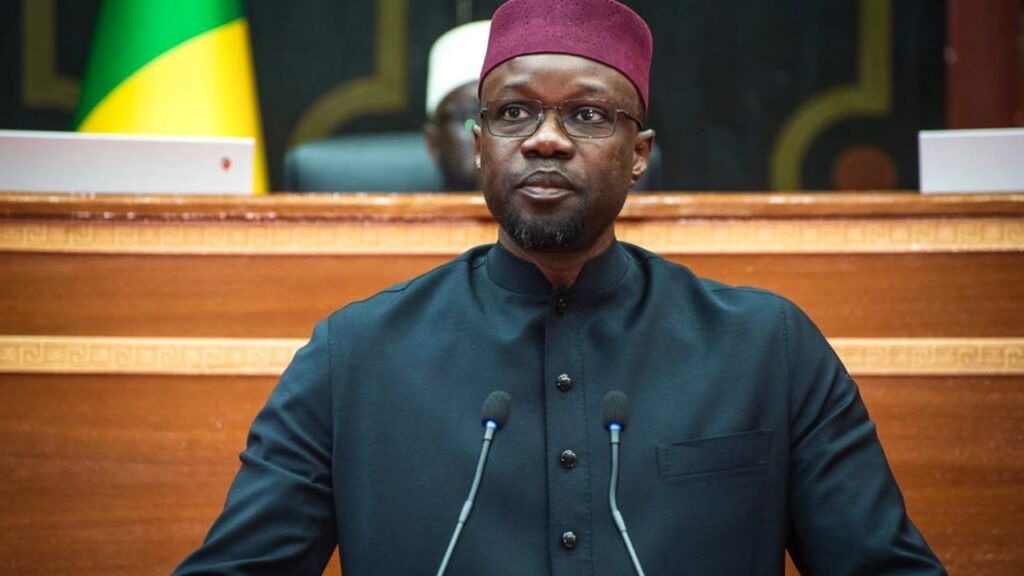

The political landscape in Senegal has witnessed a rare display of unity this week as two major factions, Pastef and the Alliance pour la République (APR), found common ground in their stance against electoral shifting. This unexpected alliance has sparked discussions across the nation, drawing attention to the broader implications for the country’s democratic process.
At the heart of this coalition is a shared commitment to preserving the integrity of Senegal’s electoral system. Both Pastef and the APR have voiced strong opposition to the practice of politicians switching allegiances for personal or strategic gain. This phenomenon, often referred to as political shifting, has long been a contentious issue in Senegalese politics, undermining public trust and destabilizing governance.
Why the sudden alignment?
Several factors have contributed to this unprecedented collaboration. Firstly, the growing public frustration with political opportunism has created a fertile ground for such alliances. Citizens are increasingly demanding transparency and accountability from their leaders, making it difficult for politicians to ignore the sentiment.
Additionally, the leadership of both Pastef and the APR has played a pivotal role. Ousmane Sonko, the prominent leader of Pastef, has been a vocal critic of electoral shifting, emphasizing the need for ethical governance. Similarly, the APR, led by President Macky Sall, has historically positioned itself as a defender of democratic values, though its approach has sometimes been questioned.
This convergence of interests has not only strengthened their individual positions but has also sent a clear message to other political entities: the era of unchecked political shifting may be coming to an end.
Public reaction and political implications
The announcement of this alliance has elicited a mixed response from the Senegalese public. Supporters of both factions see this as a positive step toward reform, while skeptics question the sincerity of the collaboration, citing past instances of political maneuvering.
Political analysts suggest that this unity could reshape the dynamics of Senegal’s political arena. By presenting a united front against electoral shifting, Pastef and the APR are positioning themselves as champions of democratic principles. This could potentially influence voter behavior in upcoming elections, as citizens may prioritize integrity and consistency in their leaders.
Moreover, this alliance could serve as a catalyst for broader political reforms. If sustained, it might encourage other parties to adopt stricter ethical standards, fostering a more stable and predictable political environment in Senegal.
The way forward
While the alliance between Pastef and the APR is a significant development, challenges remain. Ensuring that this unity translates into tangible actions will be crucial. Both factions must remain committed to their pledge and demonstrate tangible progress in curbing electoral shifting.
For Senegal’s democracy to thrive, political leaders must prioritize national interests over personal ambitions. This alliance, if handled correctly, could mark the beginning of a new era—one where ethical governance and public trust take center stage.
The coming months will be critical in determining whether this union will lead to meaningful change or remain a fleeting moment in the country’s political history.