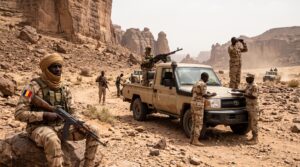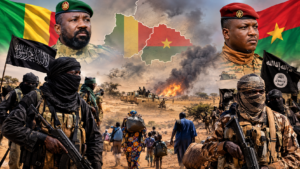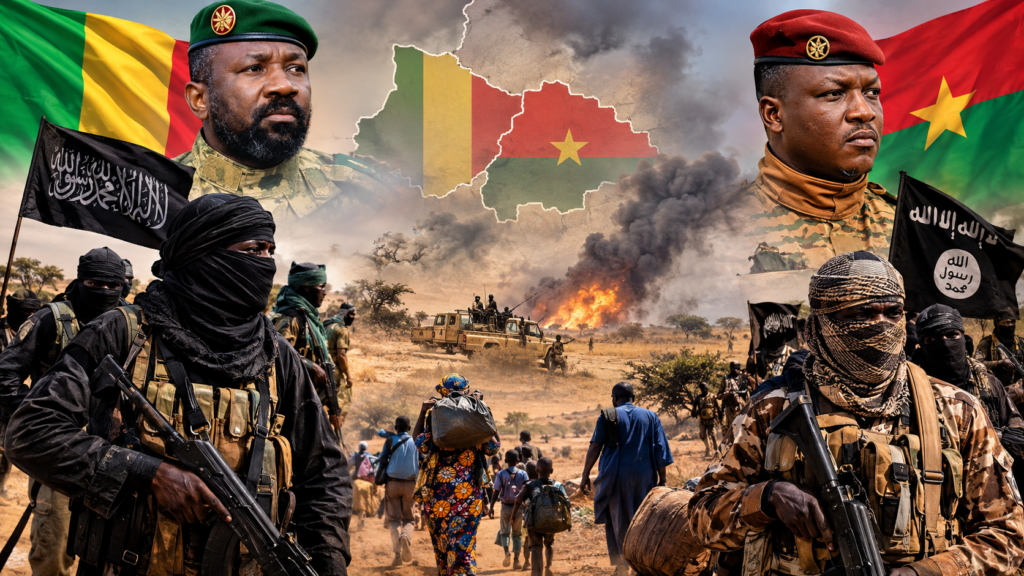
The arid expanse along the Mali-Burkina Faso frontier has become a crucible of conflict, where the competing ambitions of jihadist factions are rewriting the rules of survival for communities caught in the crossfire. Fresh waves of violent confrontations between fighters aligned with the Group for the Support of Islam and Muslims (JNIM), an Al-Qaeda affiliate, and the Islamic State in the Sahel (EIS) have exposed the widening chasm between military junta promises and the harsh realities of life under insurgent rule.
When borders become battlefields: the human cost of unchecked jihadist rivalry
For years, the juntas in Bamako and Ouagadougou have framed their seizure of power as a lifeline for a region teetering under the weight of terrorism. Yet the relentless clashes between JNIM and EIS along the shared border shatter any illusion of progress. These confrontations are not isolated skirmishes; they represent a deliberate strategy by both factions to carve out spheres of influence, seizing control of critical supply routes, local markets, and administrative vacuums left by weak state presence.
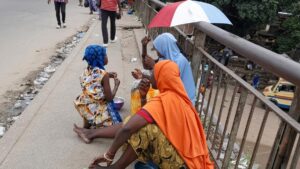
The consequences for civilians have been devastating. Entire villages have been abandoned as residents flee the dual threats of militant violence and retaliatory attacks. Displacement camps, once temporary shelters, now house communities indefinitely, their residents trapped in cycles of poverty and vulnerability. The economic fallout is equally severe: trade disruptions, shuttered schools, and collapsing healthcare services have plunged once-thriving border regions into a prolonged humanitarian crisis.
Broken promises: juntas struggle to reclaim lost ground
The juntas of Mali and Burkina Faso ascended to power vowing to restore state authority and dismantle terrorist networks. However, the persistence of jihadist turf wars paints a starkly different picture. The failure to curb these internal rivalries underscores systemic weaknesses in counterinsurgency strategies, from intelligence failures to logistical shortcomings and a lack of coordination between allied forces.
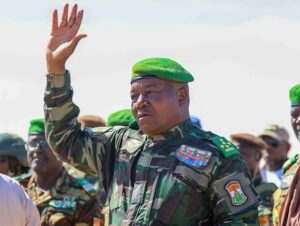
In Mali, under the leadership of interim President Assimi Goïta, military operations have achieved short-term gains, only for those territories to be reclaimed by opposing factions weeks or months later. Burkina Faso’s leadership under Captain Ibrahim Traoré faces similar challenges, with jihadist groups exploiting porous borders to regroup and launch surprise offensives. The result? A Sisyphean struggle where military advances are constantly eroded by the adaptability and ruthlessness of the insurgents.
Military strategies fall short without civilian integration
Security cannot be achieved through force alone. The prolonged standoffs between JNIM and EIS highlight a critical oversight in junta-led counterterrorism efforts: the neglect of governance, economic development, and community trust-building. Without sustainable administrative control, intelligence networks, and local buy-in, military campaigns risk being little more than temporary setbacks for the jihadists.
Civilian casualties continue to mount as factions target perceived collaborators, leading to further displacement and the collapse of fragile social structures. The inability to protect these communities not only fuels recruitment into militant ranks but also erodes public confidence in the junta’s ability to deliver on its core mandate: security.
Economic fallout: the hidden cost of jihadist dominance
The borderlands of Mali and Burkina Faso are not just zones of insecurity; they are economic lifelines. Once vibrant trade corridors have been reduced to ghost routes, with merchants and transporters bearing the brunt of extortion and violence. Agricultural production, a mainstay of local economies, has plummeted as farmers either flee or are extorted for ‘protection’ by armed groups. The ripple effects extend beyond the region, threatening regional stability and economic integration.
- Border trade paralysis: Cross-border markets, vital for the livelihoods of thousands, have been shuttered or operate under heavy restrictions, strangling informal economies that sustain millions.
- Collapse of public services: Schools, clinics, and administrative offices in contested areas have closed or operate sporadically, depriving communities of essential services.
- Investment drought: Businesses and foreign aid organizations have withdrawn, leaving the region’s development stalled amid chronic underfunding and security risks.
The way forward: a fragile path to recovery
Reversing the tide of jihadist dominance requires a multi-pronged approach that goes beyond military operations. Effective counterterrorism must integrate intelligence-led operations with robust civic engagement, economic revitalization, and regional cooperation. The juntas’ current strategies, while necessary, are insufficient without addressing the root causes of instability: governance vacuums, economic marginalization, and social alienation.
For the populations caught in this conflict, time is running out. The longer the status quo persists, the deeper the scars of displacement, economic ruin, and lost generations become. The juntas must confront an uncomfortable truth: their legitimacy hinges not on the volume of their declarations but on the tangible security they can guarantee to citizens who have endured years of broken promises.