Senegal’s electoral code reform: L29 and L30 officially enacted by Bassirou Diomaye Faye
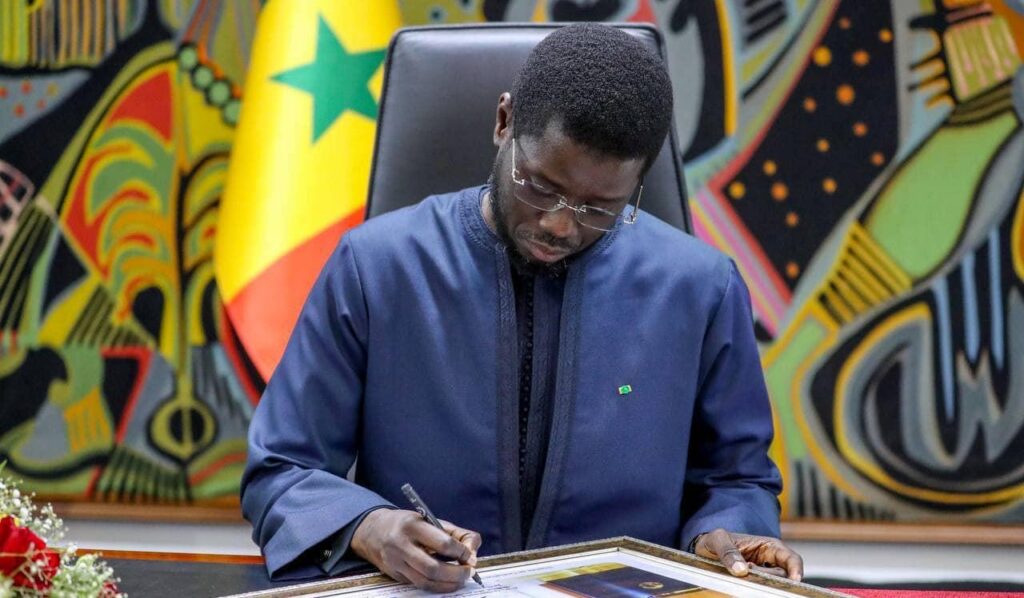
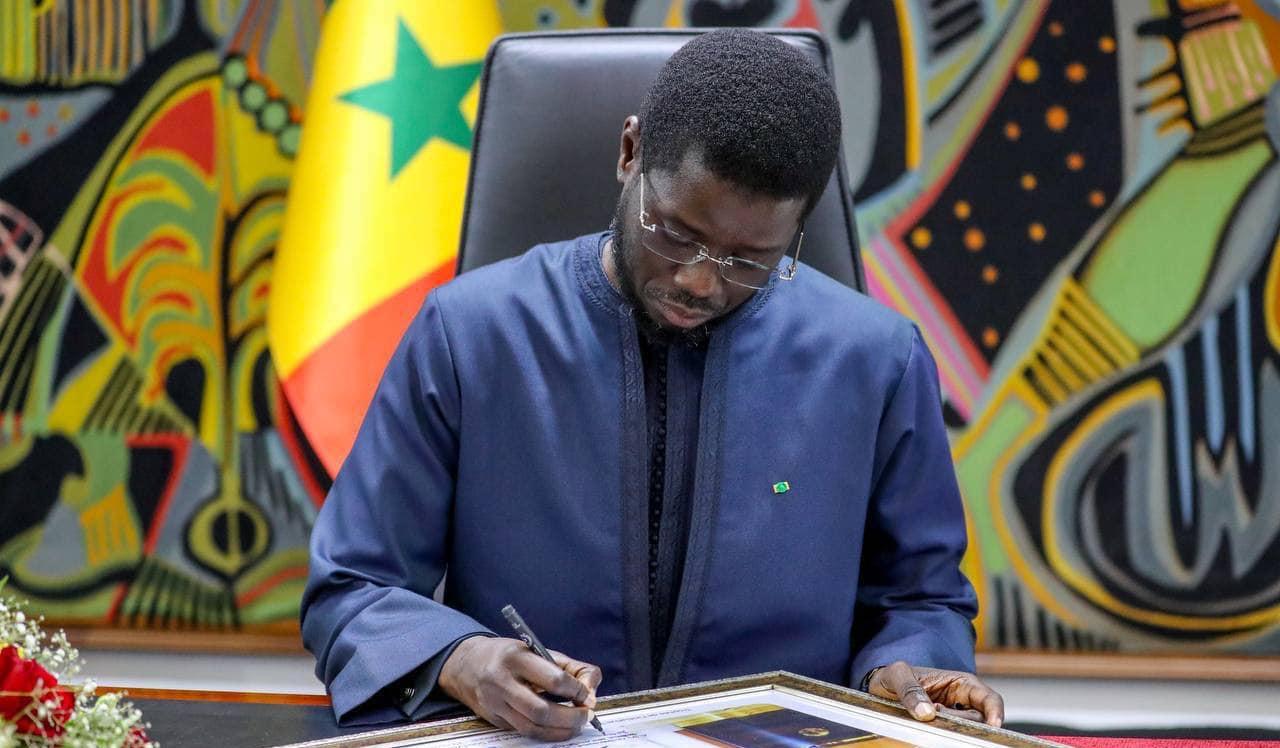
The President of Senegal, Bassirou Diomaye Faye, has officially enacted articles L29 and L30 of the electoral code, marking a pivotal step in the country’s electoral framework reform. This decision, following a second parliamentary review, introduces critical changes with significant implications for upcoming elections.
The electoral code reform journey took another decisive turn when the draft amendments were referred back by the President on May 7, 2025, citing ‘technical errors.’ The National Assembly reconvened and, under urgent procedures, approved the revised text on May 11, 2025.
While earlier reports suggested a strict promulgation deadline of May 13, legal experts clarified that the constitutional timeline remained valid and had not yet lapsed. The final enactment by President Faye solidified these revisions, ensuring they now hold legal weight.
What changes do articles L29 and L30 introduce?
These amendments focus on two key areas within Senegal’s electoral framework. Article L29 outlines eligibility criteria for candidates, while L30 addresses procedural adjustments to the electoral process itself. Together, they aim to enhance transparency and inclusivity ahead of major political events.
The President’s prompt action on this reform underscores the administration’s commitment to modernizing the electoral system and aligning it with contemporary democratic standards.