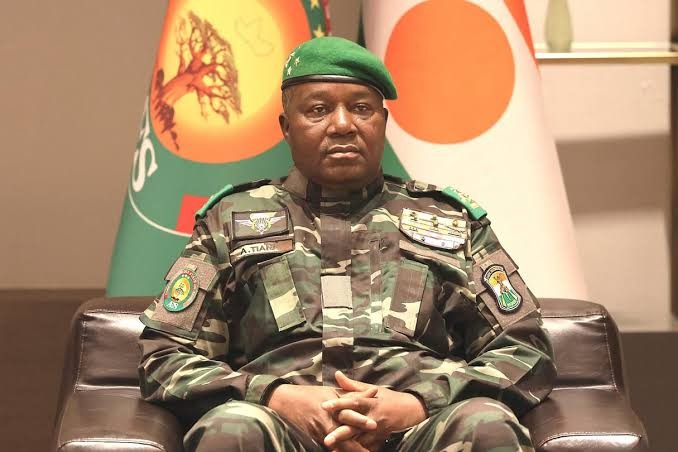
In Niamey, history repeats itself with alarming precision. Regimes rise and fall, faces change, yet the pattern remains disturbingly unchanged. When heavy gunfire erupted once more near the presidential palace and air force base, residents held their breath—not out of surprise, but because they recognized the unmistakable signs of a familiar tragedy.
The latest clashes, whether sparked by disgruntled garrison mutinies or internal military power struggles, were not random events. They were the inevitable consequences of a system built on the barrel of a gun. Three years after the July 2023 overthrow of civilian rule, the lesson remains clear: leaders who seize power through force rarely avoid the same fate.
Why military transitions collapse under their own weight
The structural flaws in Niger’s current military-led governance are now impossible to ignore. Three years of transition—an eternity in the eyes of a people promised temporary sacrifice—have eroded public patience. What began as reluctant acceptance has curdled into frustration. When an emergency period drags on without a clear democratic path, even the most hopeful citizens begin to question whether the new order is anything more than a power retention strategy in disguise.
Security promises that never materialize
The 2023 coup was justified with a single, powerful argument: restoring security and national dignity. Yet governance by decree cannot rewrite battlefield realities. When jihadist violence persists despite bold geopolitical realignments and patriotic rhetoric, faith in the junta’s leadership inevitably wanes. Doubt creeps in first among soldiers risking their lives, then spreads through the streets where families bury their dead.
The dangerous precedent of the ‘rifle solution’
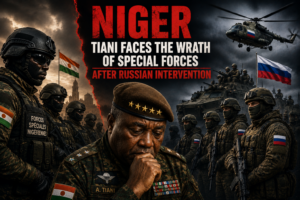
By toppling a constitutional order, Niger’s military council made a fundamental declaration: force is the ultimate arbiter of political disputes. General Tiani’s ascent sent a clear message to every officer, colonel, and captain that a loaded weapon could secure the presidency. Ironically, this lesson has now come back to haunt the very system that taught it. The army, once a unified shield, has fractured into competing factions. Official reports indicate the August 28 unrest stemmed from internal military divisions.
Niger’s political chronicles tell the same story repeatedly: from Seyni Kountché to Ibrahim Baré Maïnassara to Salou Djibo, regimes born from bayonets have always carried the seeds of their own downfall within them.
The gunfire echoing through Niamey’s corridors of power is not just noise—it is the inevitable outcome of a system that mistakes temporary control for lasting legitimacy. As long as Niger’s leadership remains untethered from a genuine republican pact, the presidency will remain hostage to the next spark from the barracks. Remember this: the same weapon that installs a ruler today is the one that could remove them tomorrow.