Following the inauguration of the new government, many citizens held high hopes for a robust **Senegal economic recovery** after nearly three years of political upheaval and instability leading up to the April 2024 presidential election. The introduction of Agenda Sénégal 2050 in October 2024, quickly followed by the Economic and Social Recovery Plan (PRES) on August 2, 2025, further bolstered public confidence in the new administration’s stated commitment to prioritizing socio-economic development.
Regrettably, nearly thirty months on, this initial optimism is waning. The nation appears to be caught in a deadlock, where substantive economic discussions are increasingly overshadowed by political clamor. Partisan clashes now dominate the discourse, and the political landscape is becoming more polarized. It seems political factions are already mobilizing for the 2029 elections, a premature focus that raises significant questions.
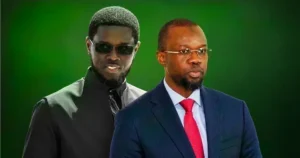
Thirty months after the change in leadership, the people of Senegal are still awaiting the emergence of the first major structural projects promised by President Bassirou Diomaye Faye’s administration. The perceived friction at the highest levels of government, between the Head of State and his former Prime Minister, was frequently cited as a primary impediment to effective public policy implementation. However, the recent change at the Prime Minister’s office has not yet delivered the anticipated acceleration. As the saying goes, breaking the thermometer does not cure the fever.
The political rift is now undeniable, yet the promised economic take-off remains elusive. Political squabbles continue to monopolize national attention, pushing vital economic priorities to the periphery. On one side, the presidential camp appears focused on solidifying its political base, exemplified by the formation of the Kiiraye party. On the other, PASTEF is regrouping to maintain its cohesion and influence ahead of the 2029 election. Caught between these competing dynamics, the economy risks bearing the heaviest cost.
Economic trajectory and challenges
Today, questions regarding the government’s economic direction are proliferating. Some even wonder if the implementation of Agenda Sénégal 2050 is experiencing a slowdown. A political truce is, therefore, imperative to re-center the economy within national priorities. While Senegal remains engrossed in its internal rivalries, other economies within the West African Economic and Monetary Union (UEMOA) are continuing their reforms and strengthening their performance.
The latest statistics from the BCEAO, published in the June 2026 edition of its monetary policy report on real GDP growth during the first quarter, position Senegal among the least dynamic economies in the Union. With a growth rate of 4.7%, Senegal lags behind Guinea-Bissau (5.5%), Burkina Faso (5.6%), Togo (5.8%), Mali (6.1%), Niger (6.1%), Bénin (6.4%), and Côte d’Ivoire (6.4%). After achieving one of the Union’s best performances in 2025 (7.8%), Senegal’s growth has sharply decelerated in early 2026. This 3.1 percentage point decline from the 2025 average represents the most significant contraction among UEMOA member states.
Compounding this challenge is a substantial drop in foreign direct investments (FDI), which reportedly plummeted from $3.319 billion in 2024 to a mere $37 million in 2025. These indicators underscore the magnitude of the challenges confronting the Senegalese economy.
Pathways to sustained economic growth
Given this situation, it is urgent to reverse the current trend and restore Senegal’s position as an economic powerhouse within UEMOA. The three years leading up to the 2029 presidential election should be strategically utilized to lay the groundwork for a lasting economic transformation, aligning with the stated ambition of building “a sovereign, just, prosperous nation deeply rooted in strong values.”
To achieve this, the immediate focus must be on concrete, measurable actions capable of yielding short-to-medium term results. Three key levers appear particularly crucial for **Senegal economic recovery**:
- Restoring investor confidence: This involves rebuilding trust among technical and financial partners, as well as international investors. Securing a new economic program with the International Monetary Fund (FMI) is a strategic step in this regard. Beyond the potential financial resources, an FMI agreement would send a powerful signal to financial markets, rating agencies, and donors about the credibility of Senegal’s economic trajectory. The country currently faces difficulties accessing international markets for favorable financing due to a perceived high-risk environment. Reclaiming confidence also necessitates a robust nation branding strategy to enhance Senegal’s attractiveness, promote its economic strengths, and highlight investment opportunities for global players.
- Empowering the national private sector: Transforming the domestic private sector into the primary engine of growth requires facilitating its access to financing, streamlining administrative procedures, improving the overall business environment, and strengthening public-private partnerships. This effort should primarily benefit sectors poised to drive the entire economy, including infrastructure, energy, agriculture, industry, digital technology, transport, and logistics.
- Rationalizing public resources: In a context of limited fiscal maneuverability and resource mobilization capacity, rationalizing public spending is critical. A reduction in state expenditure was a major commitment of the PRES. However, the much-anticipated merger of various agencies and support structures has been slow to materialize. This sluggish pace is concerning, especially when the need for action is pressing.