Senegal politics: Ousmane Sonko elected National Assembly president as new PM takes office
Politics.
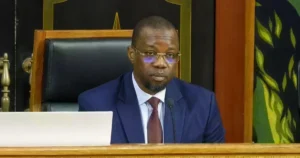
Five days after his removal as Prime Minister, Ousmane Sonko has been elected President of Senegal’s National Assembly. Meanwhile, President Bassirou Diomaye Faye has appointed a new Prime Minister to lead the government. The political landscape in Dakar is shifting rapidly as key figures realign their roles within the institutions.
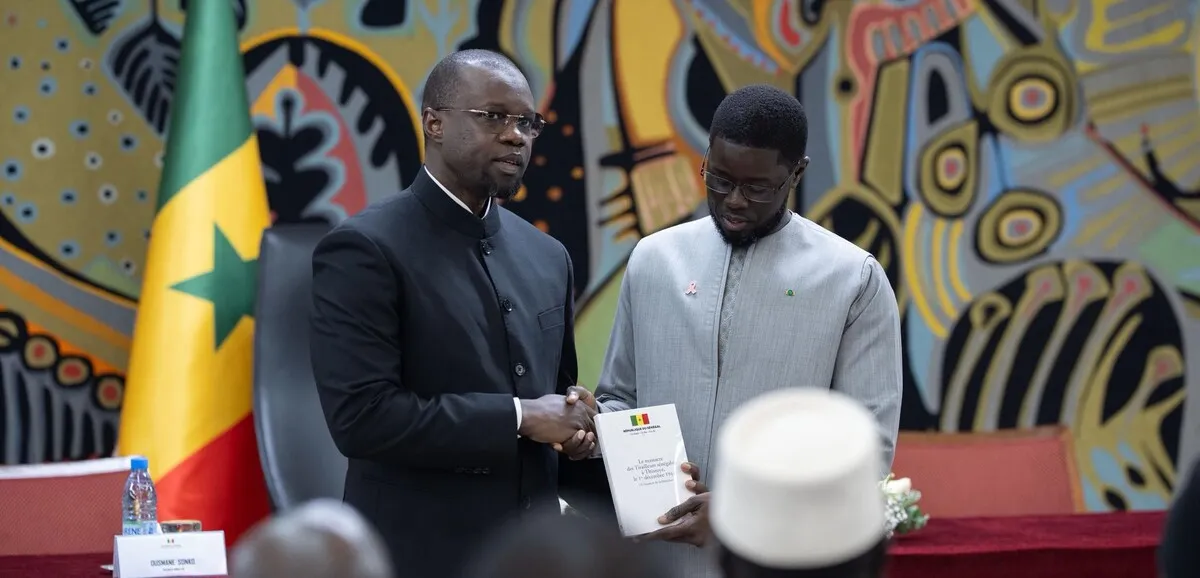
Ousmane Sonko’s swift return to the National Assembly and election as President
Just days after being dismissed from his role as Prime Minister, Ousmane Sonko has regained his seat in the National Assembly and assumed the presidency of the chamber. His reinstallation as a deputy—and subsequent election—has sparked debate over its conformity with parliamentary rules. Legal experts have weighed in on whether his reintegration followed proper procedures, particularly given his previous decision to forgo his parliamentary seat when he became Prime Minister after the 2024 elections.
Sonko, who led the winning list in 2024, returned to the Assembly only after his removal from government. The discussion now centers on whether this transition adheres to the legal framework governing parliamentary representation in Senegal.
Amadou Al-Aminou Lo named new Prime Minister: a strategic choice for Senegal
The appointment of Amadou Al-Aminou Lo as Prime Minister reflects a deliberate selection process. A seasoned civil servant and economist, Lo previously served in government and has a long-standing working relationship with both President Bassirou Diomaye Faye and Ousmane Sonko. In fact, Sonko himself revealed that he had recommended Lo for the position of Secretary-General of the government, highlighting their close collaboration over several months.
Lo’s profile is notably technical: a former central banker with deep expertise in financial markets and monetary policy. Given the current economic challenges facing Senegal and the broader global context, his appointment signals a focus on competence and stability in economic governance. While some may have expected a more overtly political figure, the choice underscores the administration’s emphasis on technical mastery and continuity in policy direction.
Sonko endorses the new Prime Minister but stresses inclusivity in governance
In his inaugural address as Assembly President, Sonko expressed support for Lo’s appointment while emphasizing the importance of dialogue and collaboration. He noted that, although the President holds the constitutional authority to appoint the Prime Minister, he would have preferred to be consulted given his leadership of the PASTEF party—the largest political force in Senegal and the majority in the National Assembly.
Sonko’s remarks suggest an openness to constructive engagement, though he made clear that the party’s expectations extend beyond personnel decisions. He stressed that the government’s actions must align with the PASTEF’s core principles: accountability, economic reform, and justice. The absence of PASTEF ministers in the new government, he implied, would send a strong signal about the administration’s priorities.
“You cannot build PASTEF without PASTEF”: balancing principles and participation
Sonko’s statement encapsulates the party’s stance: governance must reflect its foundational values. He pointed to pressing public concerns—economic hardship, transparency, and judicial integrity—as central to the PASTEF’s agenda. The challenge now is whether these principles will translate into concrete policy actions, particularly as the government takes shape.
Notably, some ministers from Sonko’s previous government, who are PASTEF members, may remain in their roles. Their retention—or replacement—will be closely watched as an indicator of the administration’s direction. Ultimately, Sonko’s message to the Senegalese people is clear: the success of the government hinges on upholding the commitments made to the public and advancing the PASTEF’s agenda.