Senegal faces another political upheaval as Assembly president resigns
Another wave of political instability has struck Senegal, as National Assembly President El Malick Ndiaye announced his resignation just two days after Prime Minister Ousmane Sonko was dismissed from office.
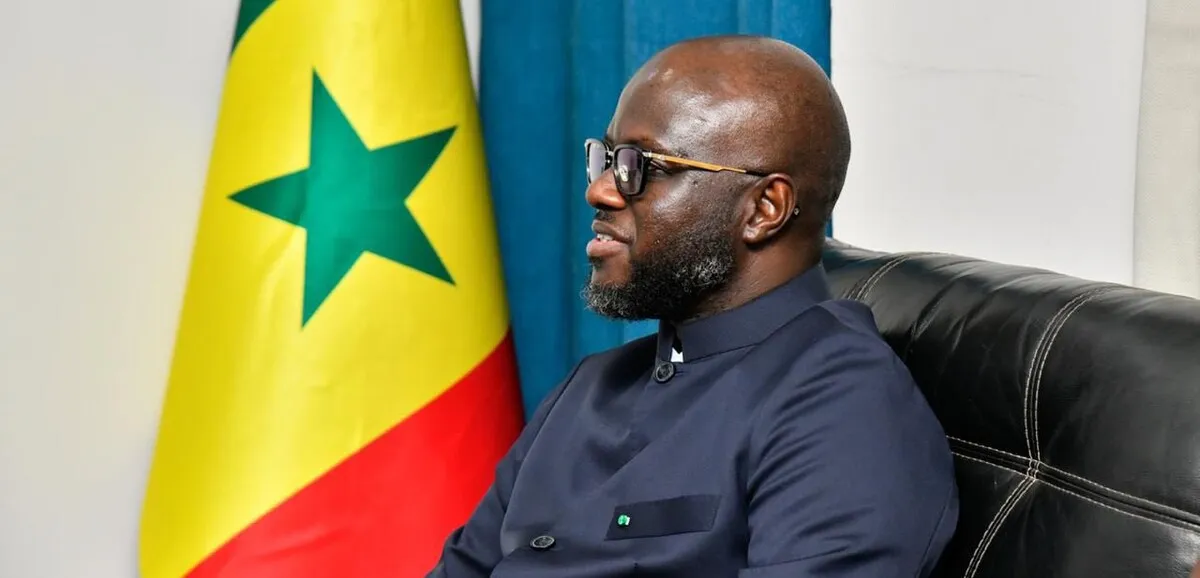
Senegal is grappling with growing political uncertainty following a dramatic leadership shift. On Sunday, May 24, El Malick Ndiaye formally stepped down from his role as president of the National Assembly.
In a Facebook statement, the former close ally of Ousmane Sonko cited a ‘personal decision’ driven by ‘the higher interest of the nation,’ though no further details were provided regarding his abrupt exit.
What comes next for Senegal’s political landscape?
The departure of El Malick Ndiaye clears the path for Ousmane Sonko to potentially assume leadership of the National Assembly. The opposition leader, whose Pastef party holds a commanding 130 out of 165 parliamentary seats following the 2024 legislative elections, remains a dominant force in the majority coalition.
Sonko, who was barred from running in the 2024 presidential race due to a prior conviction, played a pivotal role in propelling Bassirou Diomaye Faye to the presidency under the influential slogan ‘Diomaye Moy Sonko.’
Fractures in the ruling alliance
Tensions between Sonko and President Faye have intensified over recent months, culminating in a decisive rupture confirmed late Friday evening. This political rift raises serious questions about the government’s ability to push through key reforms amid an already strained economic climate.
The coming days will be critical in determining the future stability and governance of Senegal.