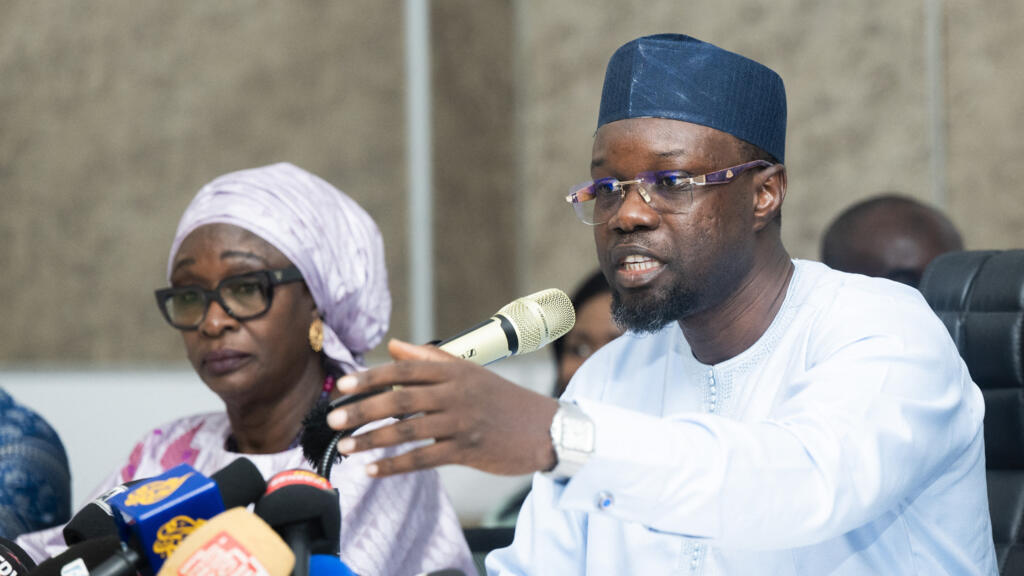
Dakar — The leader of the Pastef party, former Prime Minister Ousmane Sonko, has clarified the rationale behind his party’s refusal to join the newly formed government in Senegal. Speaking to reporters on June 2, he outlined the deep-seated disagreements that led to this decision, just one day after President Bassirou Diomaye Faye announced the cabinet reshuffle under the leadership of Prime Minister Ahmadou Al Aminou Mohamed Lô.
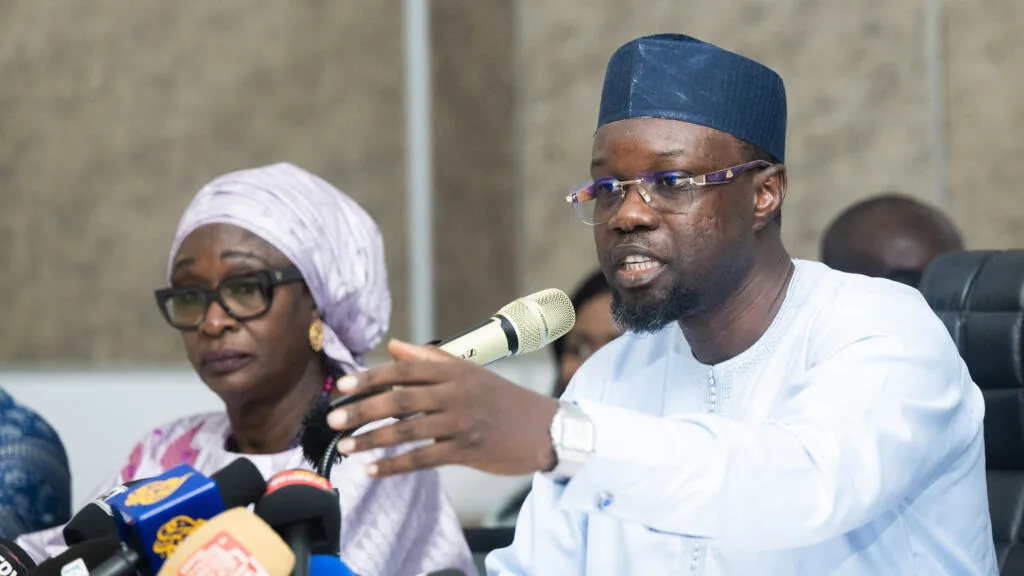
The core issues stemmed from fundamental differences in political vision and governance priorities. Sonko emphasized that the Pastef’s expectations—particularly regarding fiscal transparency, debt restructuring, and judicial reform—were not met with adequate commitments from the administration. He stressed the lack of concrete assurances on critical matters such as the management of public debt and the implementation of price controls on essential goods.
Key disputes outlined by Sonko
Sonko’s remarks highlighted several points of contention:
- Debt strategy: The President and his Finance Minister reportedly provided no assurances about renegotiating debt terms with the International Monetary Fund (IMF), leaving the Pastef unconvinced about the government’s approach.
- Cost of living: While the administration acknowledged the need to adjust subsidies, Sonko described the responses as vague, lacking a clear plan to address rising living costs.
- Judicial reforms: The President’s assertion that Senegal boasts the world’s best judicial system drew criticism from Sonko, who questioned the feasibility of such claims amid ongoing calls for accountability.
- Ministerial portfolios: Sonko insisted that the Pastef would not participate in a government unless granted at least half of the ministerial positions—a demand that went unmet.
He also raised concerns about the legitimacy of the new cabinet, noting that only five ministers were affiliated with the Pastef, though they were not officially endorsed by the party. Despite this, Sonko ruled out filing a no-confidence motion unless provoked by the administration.
A strategic refusal rooted in principle
Sonko framed the decision as a principled stand against a government structure that failed to reflect the party’s vision for Senegal. His statements underscored a broader tension between the ruling coalition and the opposition, raising questions about the future of governance in the country.