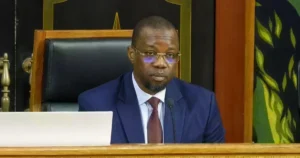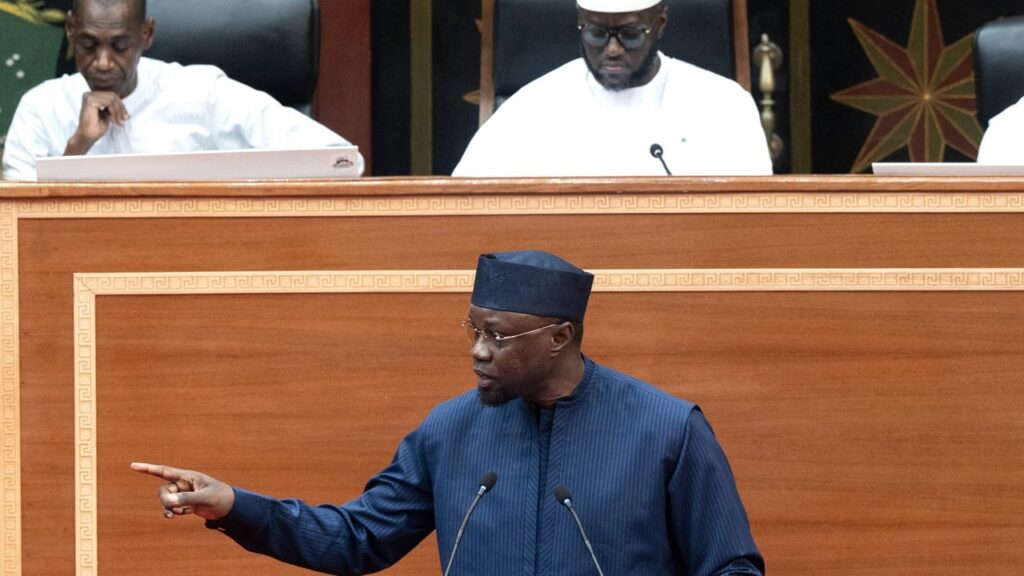
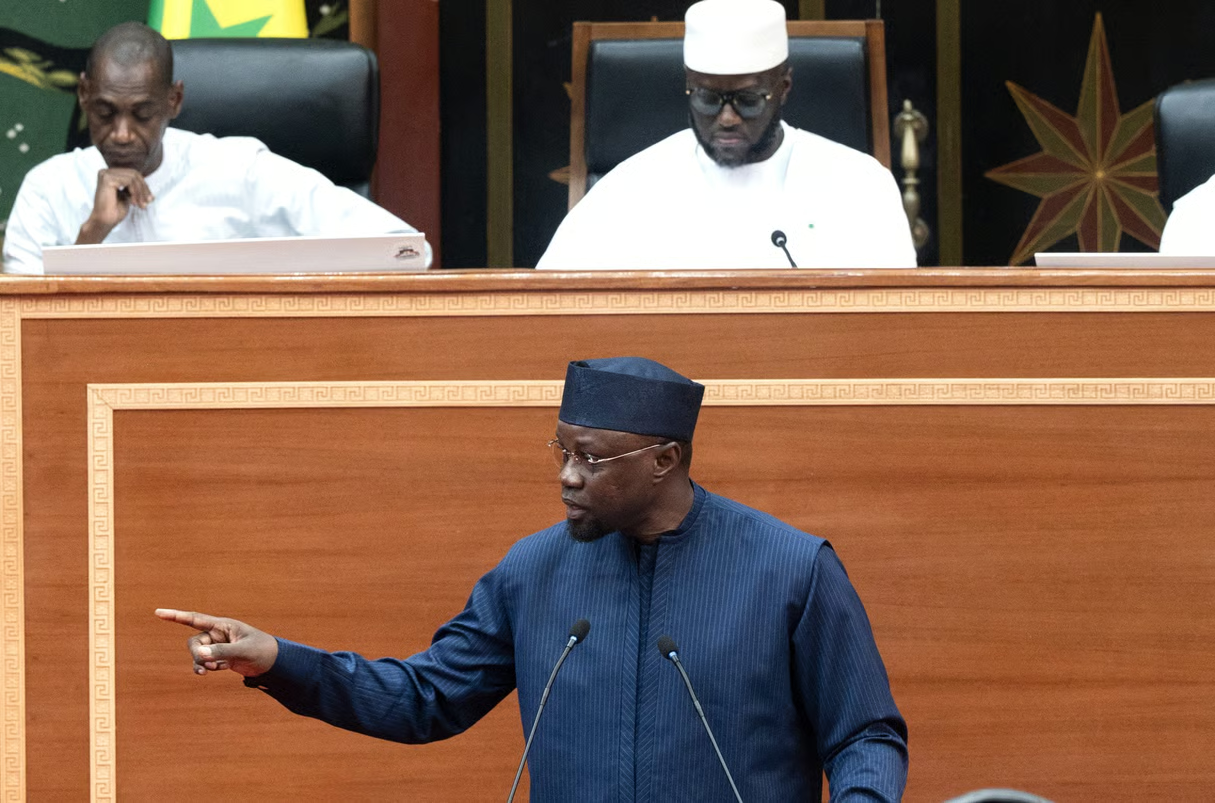
The Prime Minister of Senegal, Ousmane Sonko, has sharply criticized Western nations for what he describes as an attempt to force their cultural values—particularly regarding LGBTQ+ rights—onto the rest of the world. Speaking before the National Assembly in Dakar, Sonko emphasized that Senegal remains committed to its traditional values, rejecting external pressures to adopt progressive social policies.
a strong stance against foreign cultural imposition
Ousmane Sonko’s remarks come at a time of growing global debates over human rights and cultural sovereignty. During his address, he argued that Western countries are using economic leverage and diplomatic channels to push for changes that contradict Senegal’s deeply rooted social and religious norms. The Prime Minister’s speech highlighted concerns that such pressures could destabilize the country’s social fabric and moral order.
“We must safeguard our identity and resist any form of cultural imperialism,” Sonko declared, stressing that Senegal will not compromise on its principles despite external influences. His comments reflect a broader sentiment among some African leaders who view Western advocacy for LGBTQ+ rights as an affront to local traditions.
impact on Senegal’s public health policies
The Prime Minister’s statements also touched on public health, particularly in relation to HIV/AIDS prevention and treatment. While emphasizing Senegal’s ongoing efforts to combat the disease, Sonko warned against associating HIV/AIDS campaigns with LGBTQ+ advocacy, asserting that such links could undermine the country’s prevention strategies.
“Our health policies are designed to protect all citizens, regardless of their background,” he said. “However, we must ensure that these efforts are not hijacked by agendas that do not align with our national values.”
reactions from civil society
Sonko’s speech has sparked mixed reactions. Supporters praise his defense of national sovereignty, while critics argue that rejecting global human rights standards could isolate Senegal internationally. Human rights organizations have expressed concern over the potential for increased discrimination against LGBTQ+ individuals in the country.
As Senegal navigates these complex issues, the Prime Minister’s stance underscores a broader tension between global human rights advocacy and the preservation of cultural identity in Africa.