Senegal explores debt solutions beyond IMF support
Dakar is reassessing its debt strategy as Senegalese authorities seek innovative financing avenues that reduce dependence on traditional lenders like the International Monetary Fund. With public debt levels under scrutiny and economic recovery priorities, policymakers are prioritizing sustainable alternatives that align with the country’s long-term fiscal health.
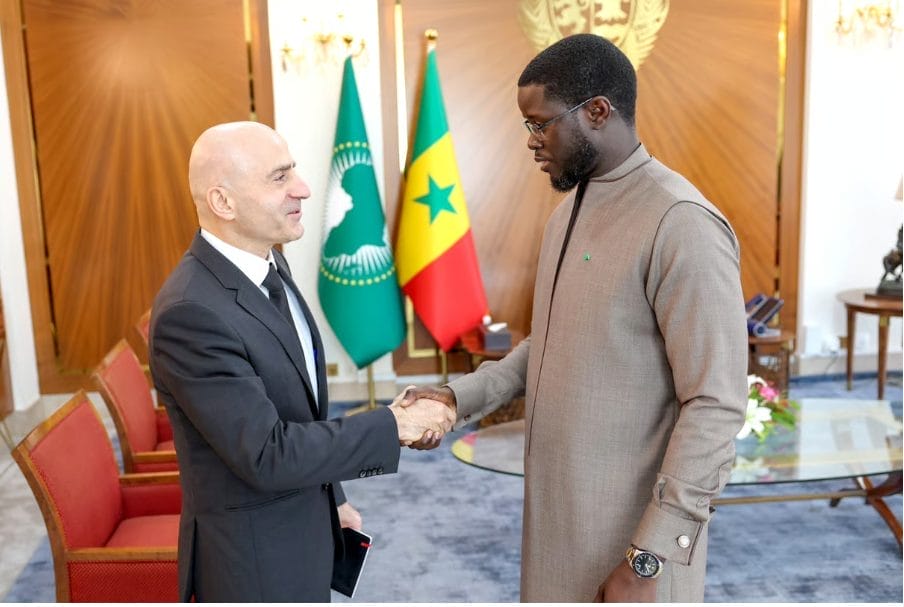
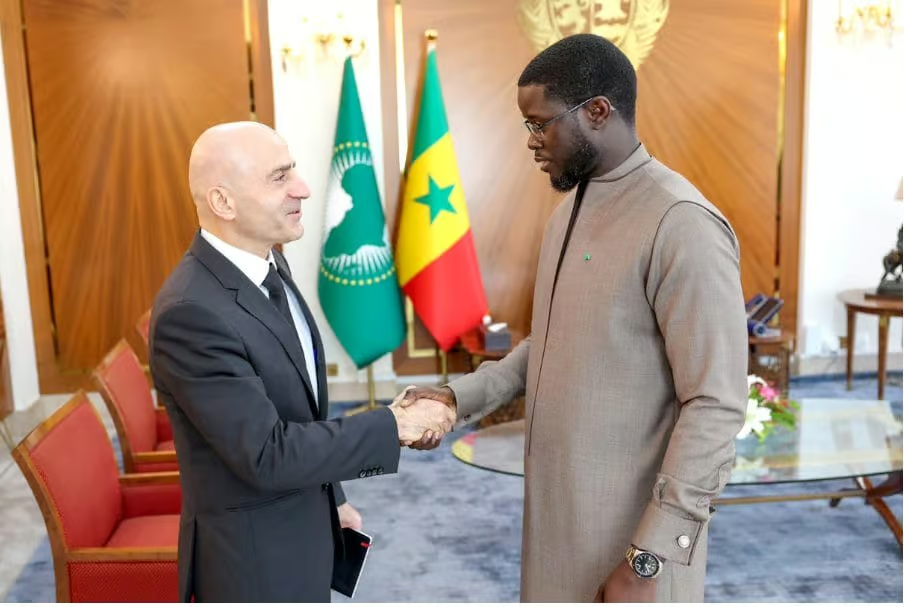 President Bassirou Diomaye Faye meets Edward Gemayel, head of the IMF mission for Senegal, in Dakar on August 28, 2025. © DR
Diversifying funding sources in West Africa
The current debt discussions in Dakar reflect a broader regional shift toward financial autonomy. As a member of the West African Economic and Monetary Union (UEMOA), Senegal operates within a shared monetary framework where fiscal discipline and debt sustainability are closely monitored by regional bodies such as ECOWAS, the African Union, and the African Development Bank.
Key alternatives under consideration include:
- Regional market expansion: Increased borrowing from the UEMOA bond market offers lower interest rates and currency stability compared to international markets.
- Domestic resource mobilization: Strengthening local savings and investment mechanisms to reduce reliance on external capital.
- Concessional financing: Leveraging soft loans with favorable terms from multilateral development partners and friendly nations.
- Themed bond issuance: Launching sovereign bonds tied to specific economic sectors like infrastructure or renewable energy to attract targeted investment.
Balancing economic recovery with fiscal responsibility
Economists warn that aggressive debt restructuring could strain public services and private sector growth. The government is therefore focusing on gradual reforms aimed at:
- Boosting tax revenue without stifling business activity through targeted incentives.
- Enhancing transparency in public financial management to build investor confidence.
- Prioritizing high-impact infrastructure and social programs that drive economic productivity.
For many African nations, the Senegalese case highlights a critical challenge: how to maintain liquidity and growth without over-reliance on multilateral assistance programs. The outcome of Dakar’s debt strategy could influence similar policy shifts across the continent.