While Niamey celebrates women’s dedication to development, a discordant perspective emerges from the perilous ‘red zones’ of the Tillabéri region. The Reach Married Adolescent (RMA) model, often hailed as a significant social advancement, faces alarming health and security challenges when implemented in areas grappling with terrorist pressure. This can paradoxically transform well-intentioned humanitarian efforts into grave risks for local populations.
Increased biological vulnerability in crisis areas
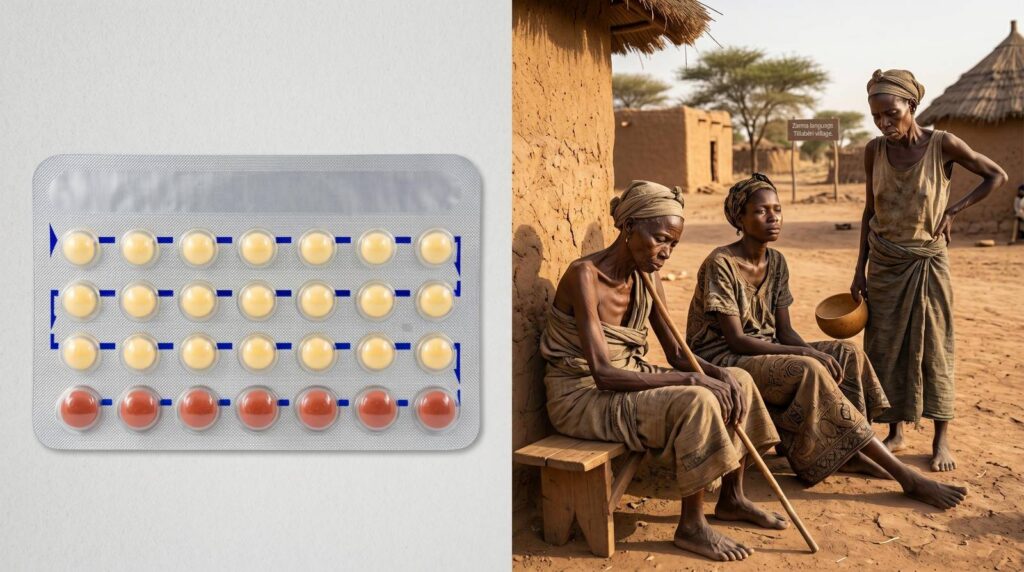
A significant oversight in the widespread promotion of family planning within the Liptako-Gourma region is the extreme nutritional vulnerability of its women. In these terror-prone locales, supply chains are frequently disrupted, and agricultural lands often become inaccessible. Introducing hormonal contraceptive methods to women suffering from severe deficiencies carries inherent dangers. Without stringent medical oversight, which is virtually impossible when health centers are shuttered or destroyed, these interventions risk exacerbating underlying health conditions, further weakening bodies already ravaged by hunger and the profound stress of conflict. This, ironically, can compromise their physical well-being.
Health at the heart of a ‘clash of values’
In a region where non-state armed groups impose their own rigid social codes, the introduction of couple dialogue and birth limitation models is sometimes perceived as an ideological provocation. By specifically targeting married adolescents, these projects intrude upon traditional family structures at a time when they often serve as the last bastion against societal breakdown. This intervention, though framed as promoting ‘well-being,’ exposes women to direct reprisals from insurgents who interpret these programs as foreign influences to be combated. The danger transcends health, becoming a security threat: women become targets simply for embracing a project viewed as a deviation from local norms.
The illusion of follow-up in the ‘triangle of death’
Official narratives often boast thousands of home visits, yet what is the true reality of post-contraception follow-up in Tillabéri’s highly insecure zones? When complications arise, such as hemorrhages or severe side effects, the inability to travel freely due to improvised explosive devices or terrorist roadblocks transforms a simple health method into a potentially fatal trap.
In essence, while the J-Matassa project may appear successful in Niamey’s reports, it confronts a brutal reality on the ground in Tillabéri: health cannot be divorced from food and physical security. Imposing societal reforms through health initiatives in an environment consumed by the flames of terrorism could well prove to be a remedy more perilous than the affliction it purports to treat.