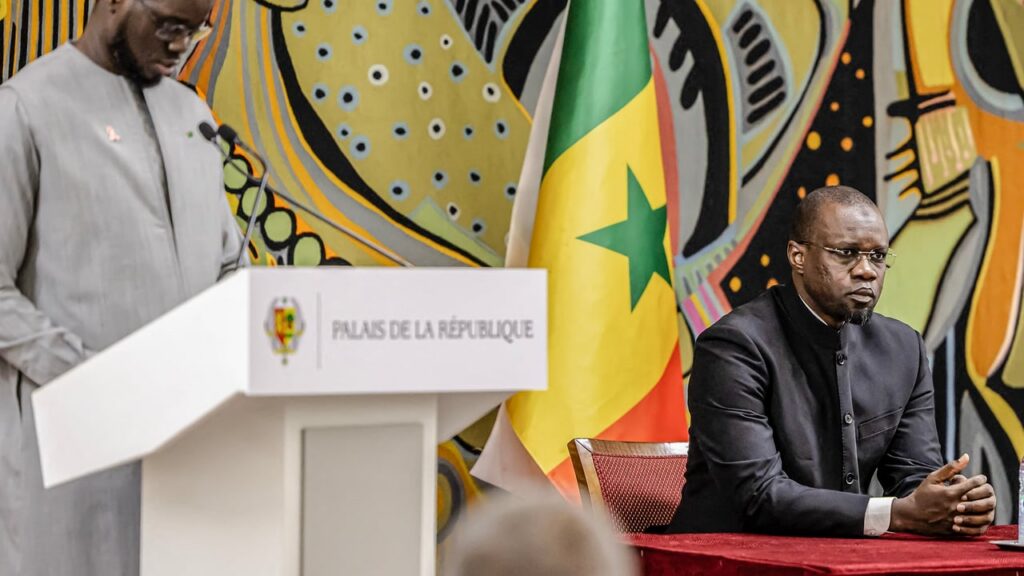

During a national celebration press briefing on April 4, 2025, President Bassirou Diomaye Faye made his intentions clear: a sweeping constitutional reform is on the horizon, one that would fundamentally redistribute the powers between the head of state and the government. His stated goal? To create a system with a stronger prime minister, empowered ministers, and independent directors general, while avoiding the concentration of all authority in the presidential office.
Why this reform could reshape the political landscape in Senegal
The proposed changes are not merely administrative—they could have far-reaching political consequences, particularly for prominent figures like opposition leader Ousmane Sonko. Under the current system, the president holds vast executive powers, but the reforms aim to decentralize decision-making and strengthen institutional checks. This shift could create new opportunities for opposition leaders to influence governance, especially if the reforms include provisions for greater parliamentary oversight or decentralized governance structures.
Possible implications for Ousmane Sonko
Ousmane Sonko, leader of the PASTEF movement and a key figure in Senegalese politics, could benefit significantly from these changes. If the reform introduces mechanisms for greater political participation or enhanced local governance, Sonko’s influence may grow, particularly if his party gains more control over executive functions through parliamentary alliances or ministerial appointments.
Additionally, if the reforms reduce the president’s unilateral decision-making authority, opposition leaders like Sonko could find it easier to challenge policies or propose alternative legislative agendas. This could be especially impactful in a context where public sentiment is increasingly favoring political pluralism and accountability.
A balancing act for the president
President Faye’s vision reflects a delicate balancing act. On one hand, he seeks to modernize Senegal’s governance by reducing presidential dominance. On the other, he must ensure that the reforms do not destabilize the political equilibrium or undermine the authority of his own administration. The challenge lies in designing a system that is both more democratic and functionally effective.
Public reactions and political stakes
The announcement of the constitutional reform has sparked debate across Senegal. Supporters of the reform argue that it will strengthen democracy and prevent authoritarian tendencies. Critics, however, caution that such sweeping changes could lead to institutional instability or unintended consequences, particularly if the new system lacks clear safeguards against political gridlock.
As the debate unfolds, one thing is certain: the proposed constitutional reform has the potential to reshape Senegal’s political future, with significant implications for all major stakeholders—including Ousmane Sonko and his political movement.