
How Moscow is using air logistics to expand its Sahel influence
Russian military logistics are taking a new turn in the Sahel, where Africa Corps—a Kremlin-backed force—is increasingly relying on aerial transport to move troops and equipment across the region. New flight patterns and commercial aircraft registrations reveal a growing network of supply lines connecting Moscow to key Sahelian capitals.
Unmarked cargo flights raise regional concerns
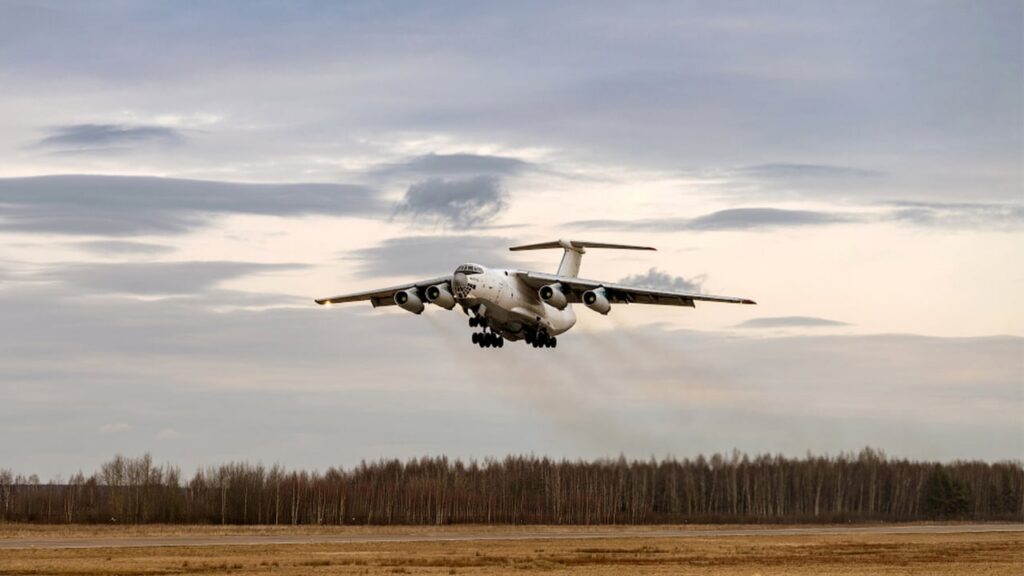
Commercial air carriers linked to Russian entities have been spotted ferrying military-grade cargo into Sahel nations. These flights, often operated by aircraft registered in jurisdictions with opaque ownership structures, follow routes that bypass standard international scrutiny. Aviation tracking data shows repeated landings at airfields in Niamey, Bamako, and Ouagadougou, raising questions about their true purpose.
The aircraft, primarily Ilyushin IL-76 models operated by companies such as Zitotrans, are not typical passenger planes. Their heavy-lift capacity makes them ideal for transporting armored vehicles, ammunition, and other defense materials. Recent satellite imagery confirms regular activity at these airports, with cargo operations conducted under tight security.
From Wagner to Africa Corps: a shift in Russian strategy
Following the dismantling of the Wagner Group’s formal structure, Moscow appears to have reorganized its African operations under the banner of Africa Corps. This new entity operates with the support of the Russian Ministry of Defense and is believed to be central to Russia’s strategy of expanding influence in former French spheres of influence.
Vladimir Putin has publicly endorsed the Africa Corps initiative, framing it as a form of multilateral cooperation with African states. Yet, defense analysts note that the group’s activities closely mirror those once carried out by Wagner—including training local forces, securing resource-rich areas, and challenging Western military presence.
Sahel governments’ quiet acceptance
Despite international sanctions and diplomatic tensions, several Sahelian governments have welcomed Russian military support. The Alliance of Sahel States—comprising Burkina Faso, Mali, and Niger—has openly embraced partnerships with Moscow, citing the need to address security threats independently. These collaborations have led to increased Russian military advisors on the ground and a visible shift in regional defense alliances.
The presence of Russian cargo planes at Sahel airports is no longer an occasional sight but a regular logistical backbone. While governments in Bamako, Ouagadougou, and Niamey downplay the scale of these operations, independent flight trackers confirm a steady flow of flights between Russia and the Sahel.
What this means for regional stability
The growing air bridge between Russia and the Sahel is reshaping the security landscape. With Moscow positioning itself as a key security partner, traditional Western allies are reassessing their roles in the region. The Africa Corps’ expanding footprint—fueled by unchecked cargo flights—could further destabilize fragile governments and complicate counterterrorism efforts already stretched thin.
In the coming months, the scale of these operations will likely become clearer as more flight data surfaces. For now, the skies over the Sahel are witnessing a silent but significant transformation—one that may redefine Africa’s geopolitical alliances for years to come.