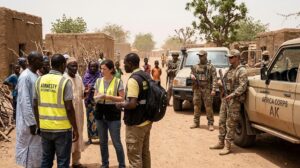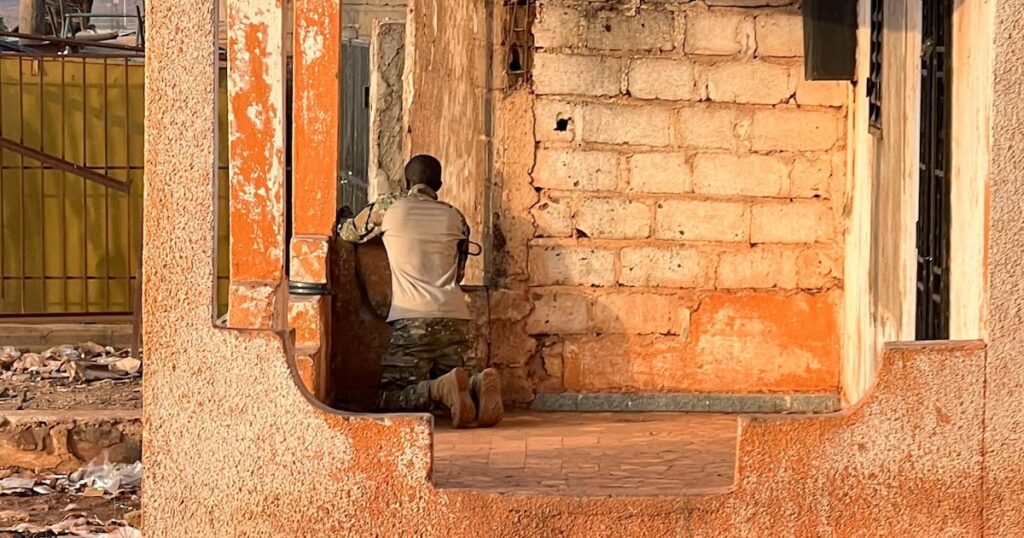
A defeat that is as strategically damaging as it is symbolic took place on Sunday, April 26. In Kidal, located in northeastern Mali, the Russian mercenaries of Africa Corps—who took over from the Wagner Group in 2025—fled their positions. The retreat, captured in humiliating footage shared online, showed the Kremlin-linked fighters being forced out under intense pressure from the GSIM (Group for the Support of Islam and Muslims) and their Tuareg rebel allies from the Azawad Liberation Front (FLA).
The withdrawal was so chaotic that the Africa Corps abandoned dozens of armored vehicles and helicopters, leaving them in the hands of the insurgents. While the mercenaries escaped in trucks, several Malian soldiers were taken prisoner following brief skirmishes. This rout is part of a broader, coordinated offensive launched by Al-Qaeda-affiliated GSIM militants and independentist Tuareg rebels against the ruling junta’s strategic strongholds across Mali, including the outskirts of the capital, Bamako.
A reversal of 2023 gains
On Monday, the Africa Corps, which operates under the oversight of the Russian Ministry of Defense, confirmed its forces had pulled out of Kidal. For the FLA rebels, this represents a significant act of revenge. Just eighteen months earlier, in November 2023, Wagner Group mercenaries had seized the city, triumphantly raising their black-and-white skull flag. The loss of Kidal is a staggering blow to the junta’s Russian partners, as the city had been the only major strategic victory since Russian forces arrived in Mali in 2021.
The wave of coordinated strikes has not been limited to the north. At least six major urban centers have been targeted, including Gao and the military hub of Kati. Even the capital, Bamako, has seen militants infiltrating its perimeter without facing significant resistance.
Rising instability and ineffective partnerships
Mali has been governed by a military junta since a 2021 coup. During this time, the nation has become a global epicenter for terrorism, with GSIM militants effectively besieging the country. Since the summer of 2025, these groups have inflicted a series of defeats on the Malian army and their Russian allies, even establishing economic blockades to stifle Bamako.
Despite the junta’s reliance on Russian paramilitaries—first Wagner and now Africa Corps—the security situation has only deteriorated. Furthermore, the presence of these mercenaries has been linked to a rise in violence against civilians and reports of human rights abuses. Analysts suggest that the Russian forces have long proven to be ineffective counter-terrorism partners, a reality reinforced by the scale of this weekend’s collapse.
Internal tensions and the death of a minister
The violence reached the heart of the government in Kati, where a bomb attack destroyed the residence of Defense Minister Sadio Camara, resulting in his death. In Kidal, jihadists successfully stormed the governor’s office, further demonstrating the breakdown of state control.
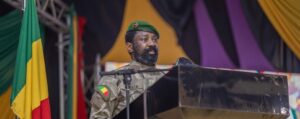
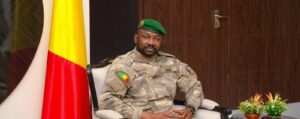
In a televised address on Tuesday night, the head of the junta, Assimi Goïta, attempted to project a sense of order, claiming the situation was “under control” and vowing to continue operations until all involved groups are neutralized. However, within the Malian military, whispers of betrayal are growing. Some officers suggest that the Russian mercenaries had negotiated their exit from Kidal days before the attack, ignoring warnings from regional officials.
While the Kremlin has avoided direct questions regarding the Africa Corps’ ability to manage the crisis, official statements claim their presence prevented a full-scale coup attempt. Nevertheless, the withdrawal from Kidal and other northern localities suggests that the Malian regular army may soon find itself even more isolated on the battlefield.